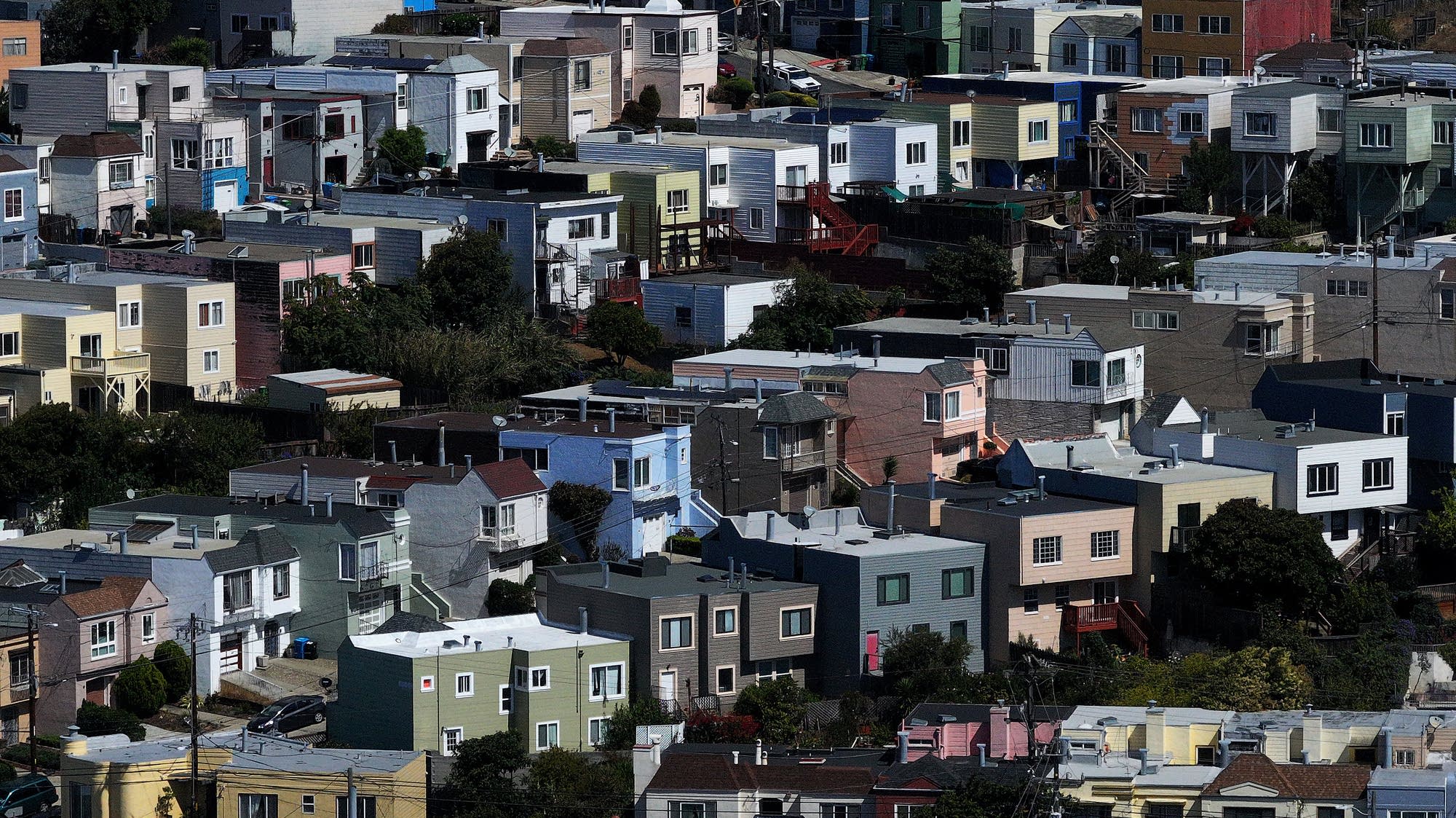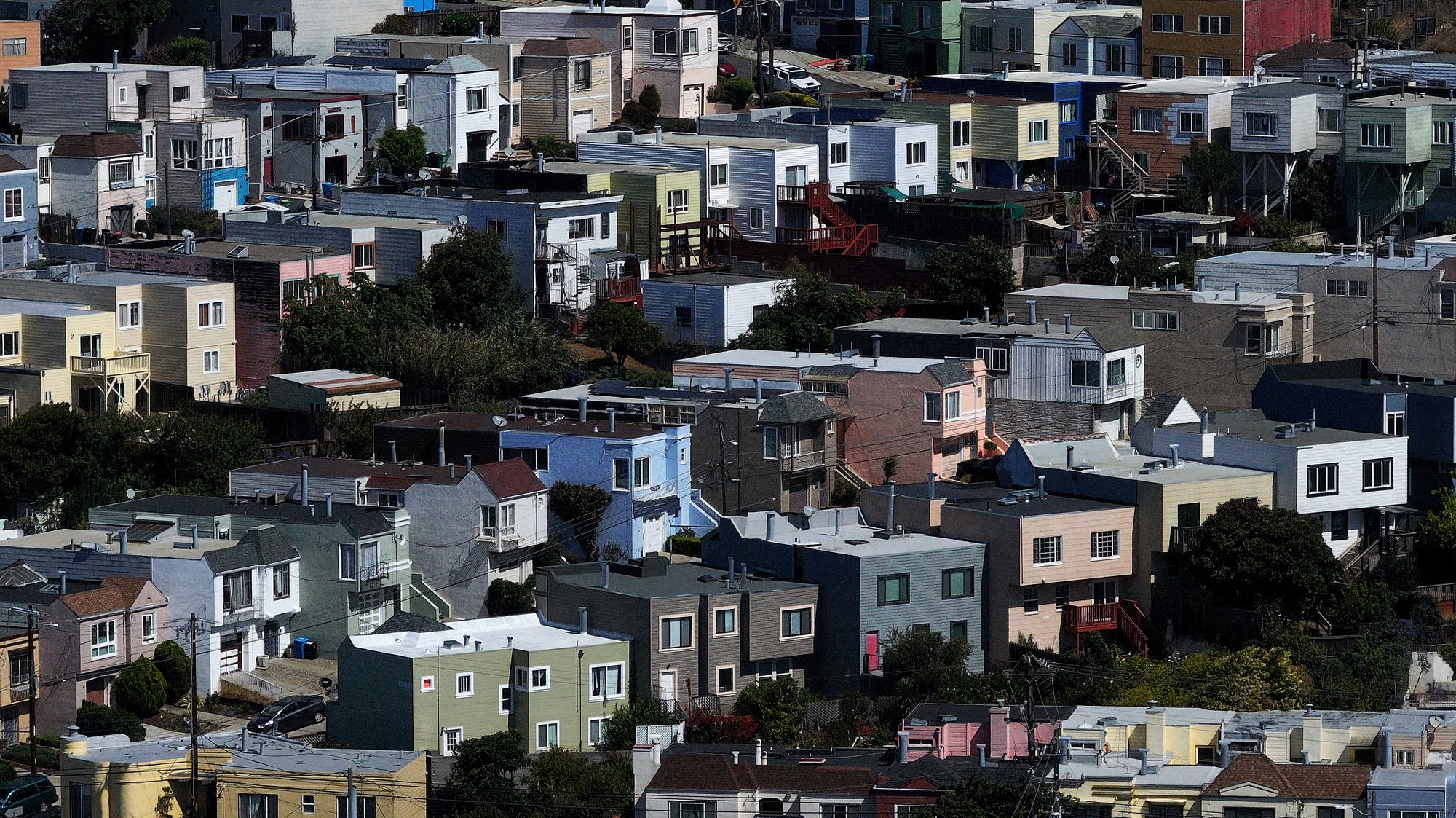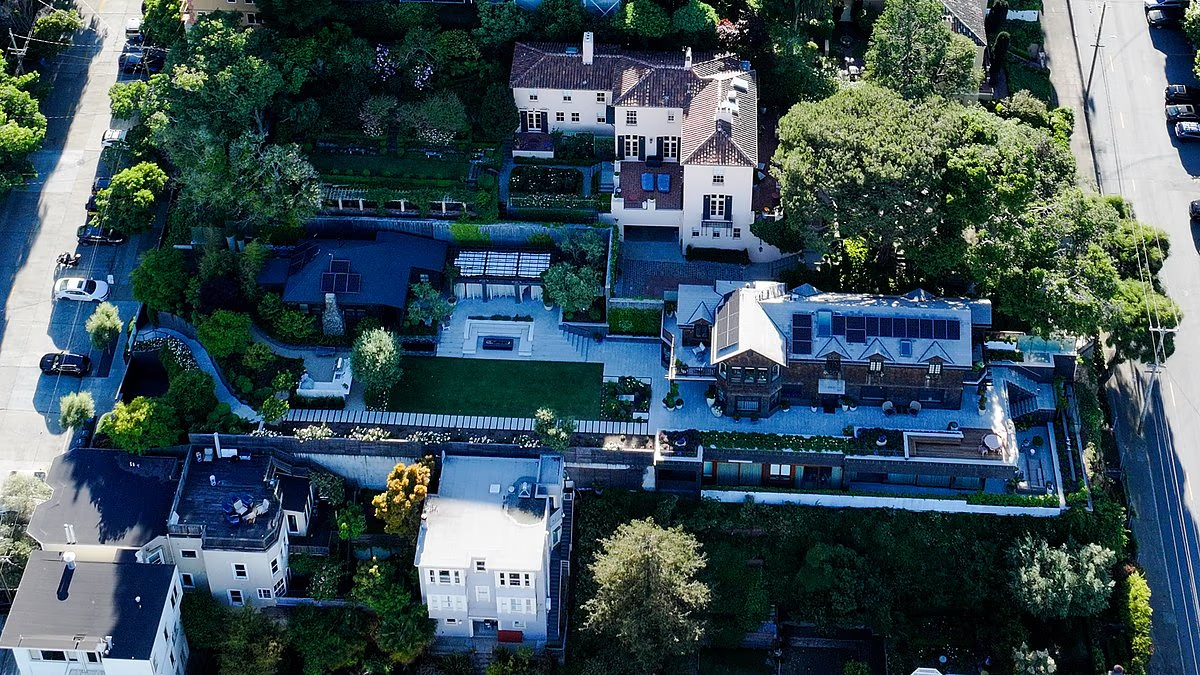
As AI equity turns liquid, a newly wealthy class will go shopping. Sooner or later, new money wants an address.ShutterstockIt is the oldest story in American capitalism, retold at AI scale. Wealth appears almost overnight, and before long it begins searching for somewhere to live. Maybe a Gulfstream. Probably a Patek Philippe. Almost certainly a property. Or another property.On June 12, SpaceX rang the opening bell at Nasdaq in a $75 billion IPO, the largest public offering in history. By the closing bell, more than 4,400 current and former employees—including machinists and cafeteria workers—had become millionaires. Roughly 400 were suddenly worth more than $100 million.SpaceX is unlikely to be the last. OpenAI has confidentially filed for its own IPO, while Anthropic, Databricks and Cohere are widely expected to follow. One analysis projects the coming wave could mint more than 16,000 new millionaires and roughly 20 billionaires—a wealth-creation event already beginning to ripple through the world’s most rarefied property markets.“What we’re witnessing right now is one of the largest generational wealth-creation events since the dot-com era," said Kevin Dees, a Los Angeles-based agent at Carolwood Estates. “It’s a life-changing event, and the first thing that pops into a lot of these individuals’ minds is, ‘Let’s buy that dream property we’ve always wanted.’"No city better illustrates tech’s effect on housing than San Francisco, where innovation minted fortunes—and increasingly stratospheric home prices.ShutterstockIn San Francisco, where the median home price climbed to a record $2.15 million in March, the effects are surfacing in increasingly curious ways. A three-bedroom bungalow in Duboce Triangle, listed for just under $3 million, reads like any other new listing until the final sentence, where the seller casually offers to accept OpenAI or Anthropic shares instead of cash.Another seller dispensed with subtlety altogether. An $8 million Marin estate was marketed directly to Anthropic employees through a flurry of LinkedIn messages from its investment banker-owner. A “diversification play," he called it.“Fortunes have a habit of seeking permanence and, sooner or later, they usually find it in brick, glass and stone.”
How AI Wealth Is Reshaping The Global Property Market
AI IPOs could create thousands of new millionaires, sending fresh fortunes from private-company shares into luxury homes across San Francisco, Miami, London and beyond.
TL;DRAI
SpaceX $75B IPO and forthcoming AI flotations (OpenAI, Anthropic, Databricks) project 16,000+ millionaires reshaping luxury markets in San Francisco, Miami, and London's King's Cross. AI wealth favors geographic portfolio diversity and tax efficiency across cities, signaling talent mobility shifts and emerging tech hubs beyond Silicon Valley.
985 words~4 min read