Serving tech enthusiasts for over 25 years.
TechSpot means tech analysis and advice you can trust.
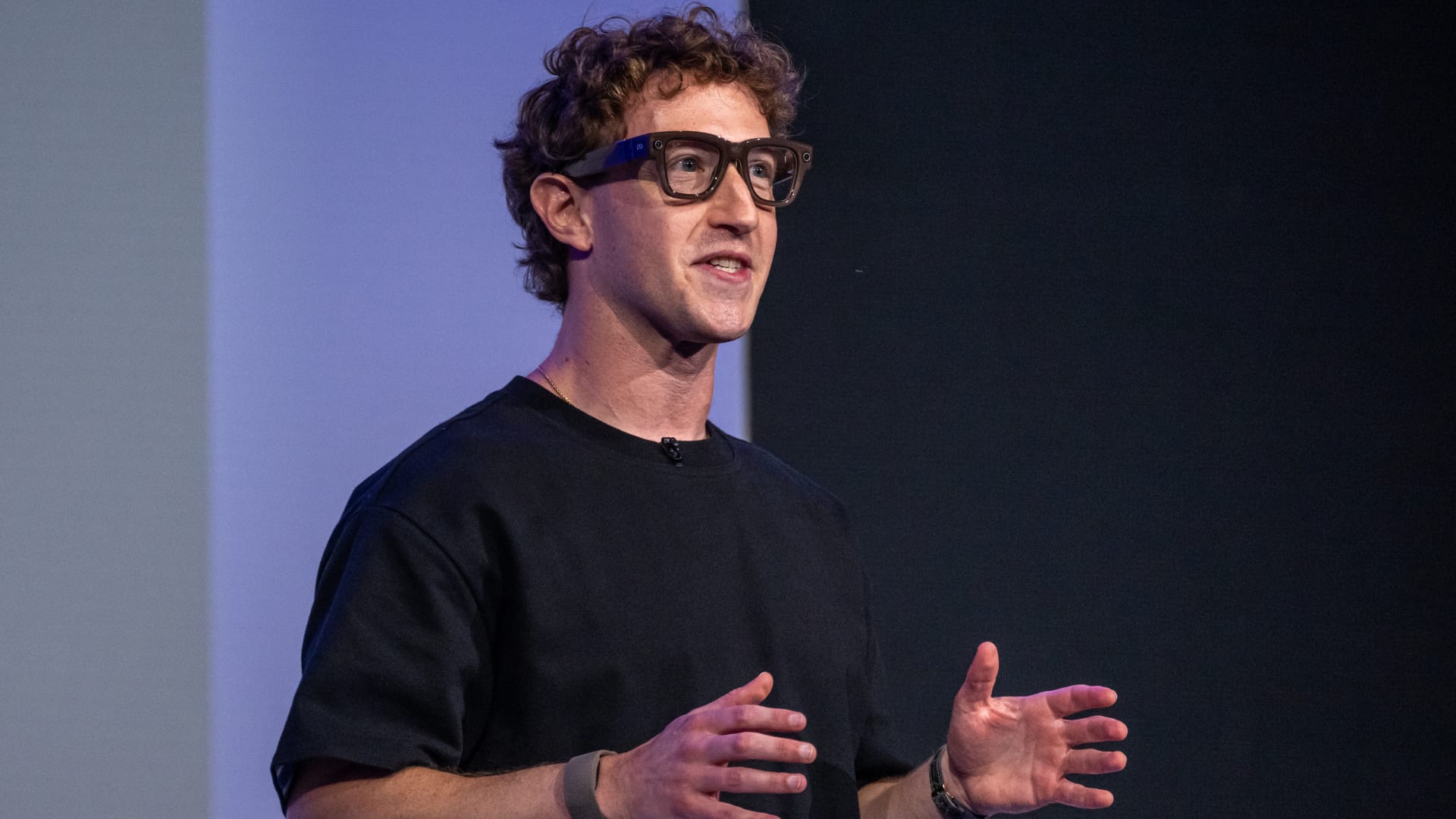
Bottom line: Many people likely assumed that Meta CEO Mark Zuckerberg's virtual reality ambitions were over when the company publicly stepped back from the sector earlier this year. However, while the losses attributed to the Metaverse division have since shrunk, it is still losing billions per quarter, edging total losses since the end of 2020 ever closer to the $100 billion mark.
Meta's earnings report for the second quarter of 2026 primarily focuses on the company's AI and smart-glasses-related ambitions, but buried in the numbers is yet another multi-billion-dollar loss from the Reality Labs division. Meta may have shifted priorities, but it has apparently not completely given up on the dream of a shared global virtual reality space.
Mark Zuckerberg once justified dumping tens of billions of dollars into the metaverse by claiming that the sector could be worth trillions by 2030. In 2023, a Meta-commissioned report claimed that people putting on virtual reality headsets to work and play in a shared space could contribute $760 billion to the US GDP by 2035.