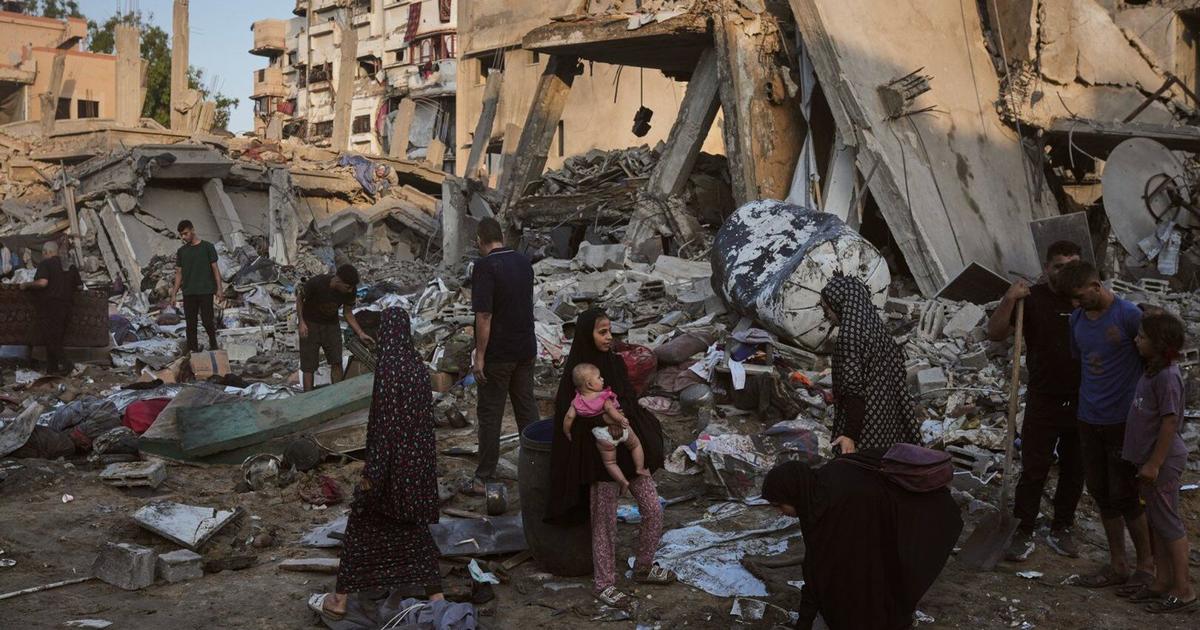
The agreement by an exhausted and defeated Hamas to give up their weapons is historic and unprecedented – but it does not guarantee the withdrawal of Israeli forces, nor an end to the war in Gaza. That depends on a careful sequencing of actions by two bitterly mistrustful enemies.
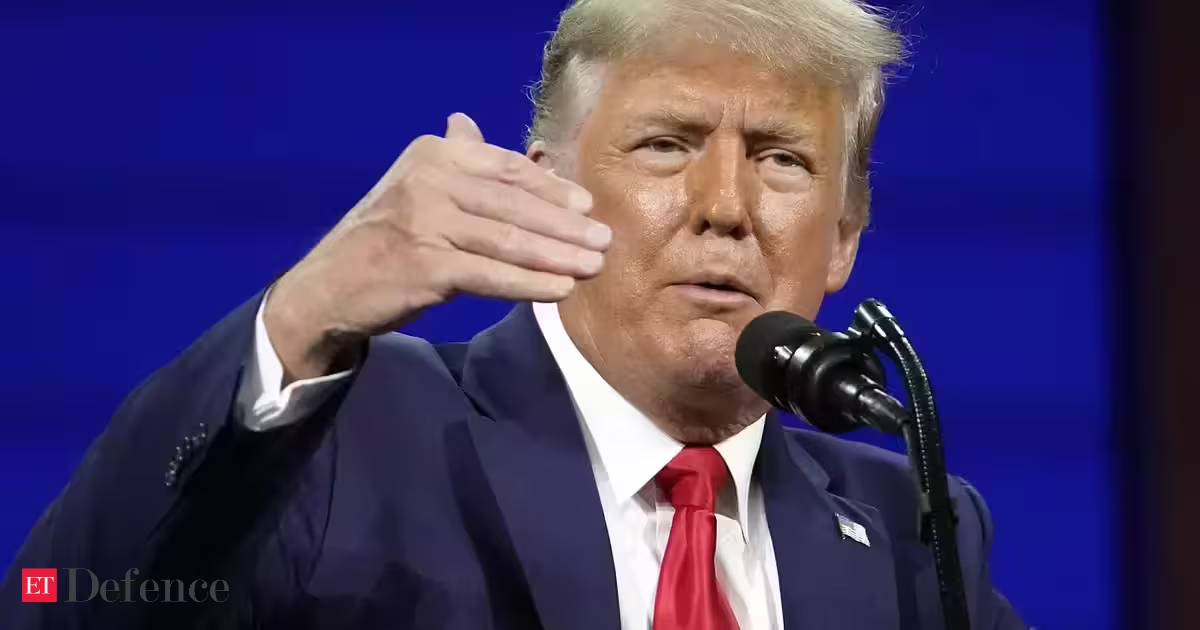
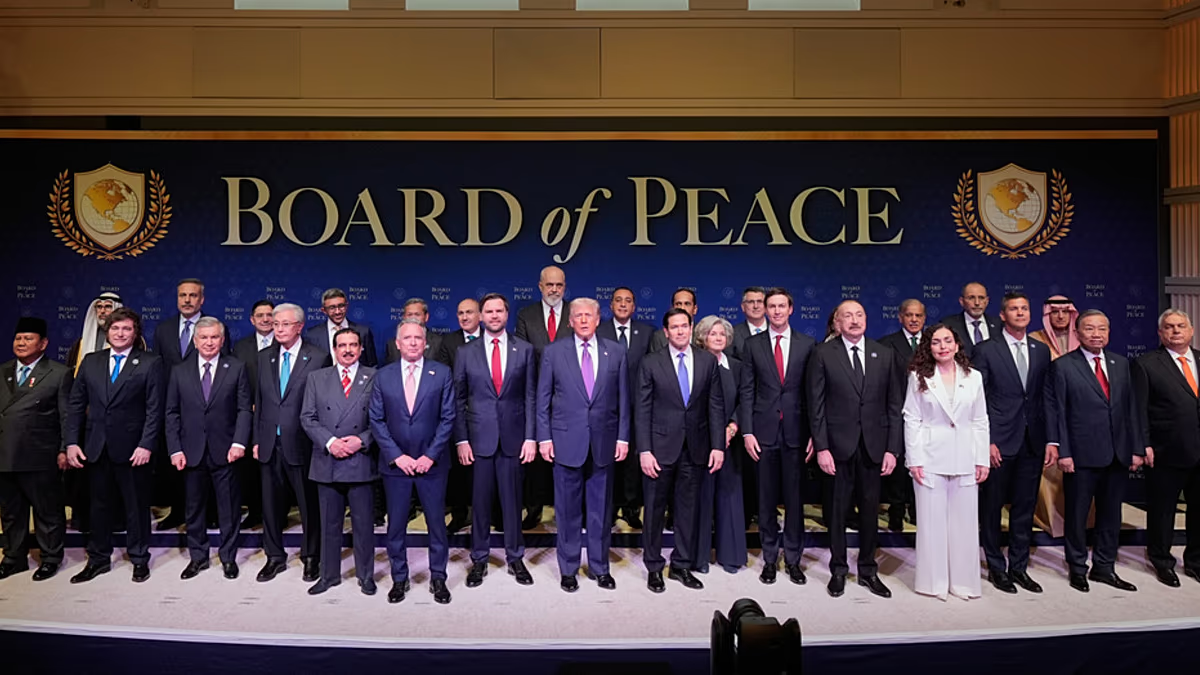
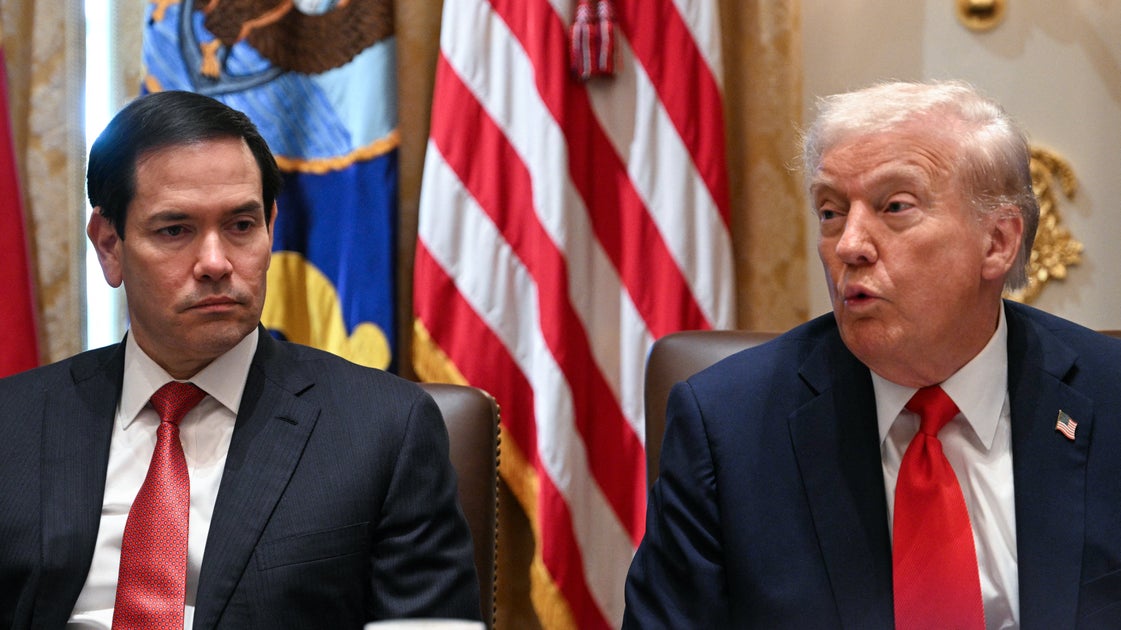
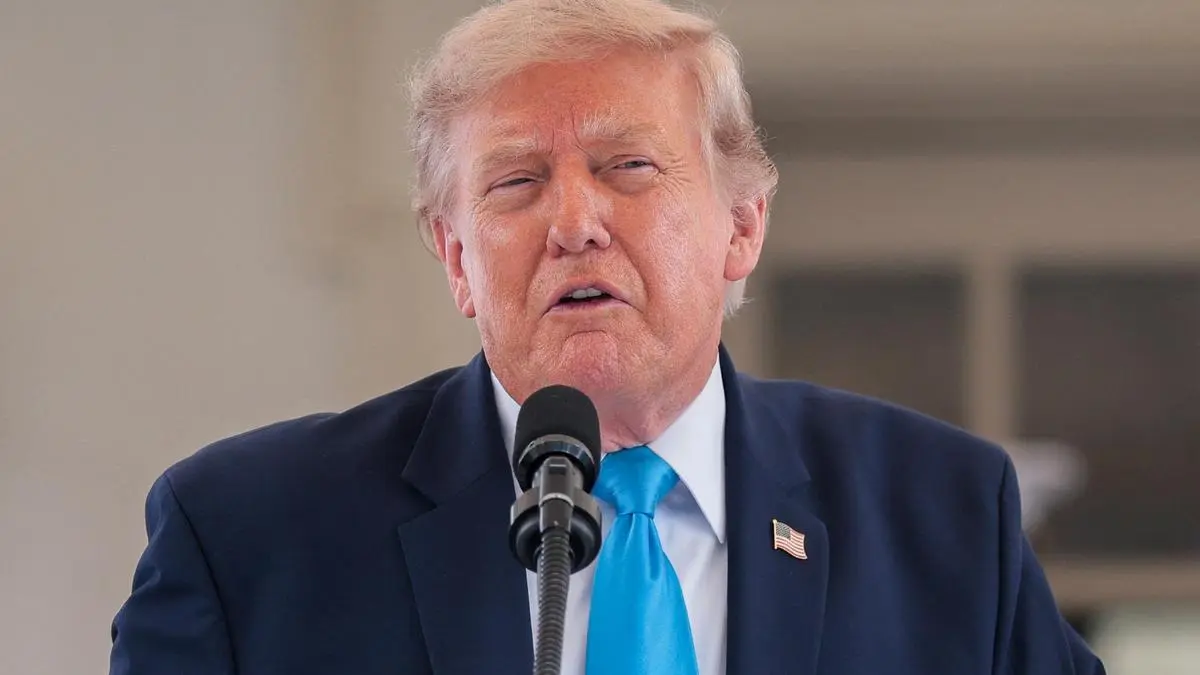
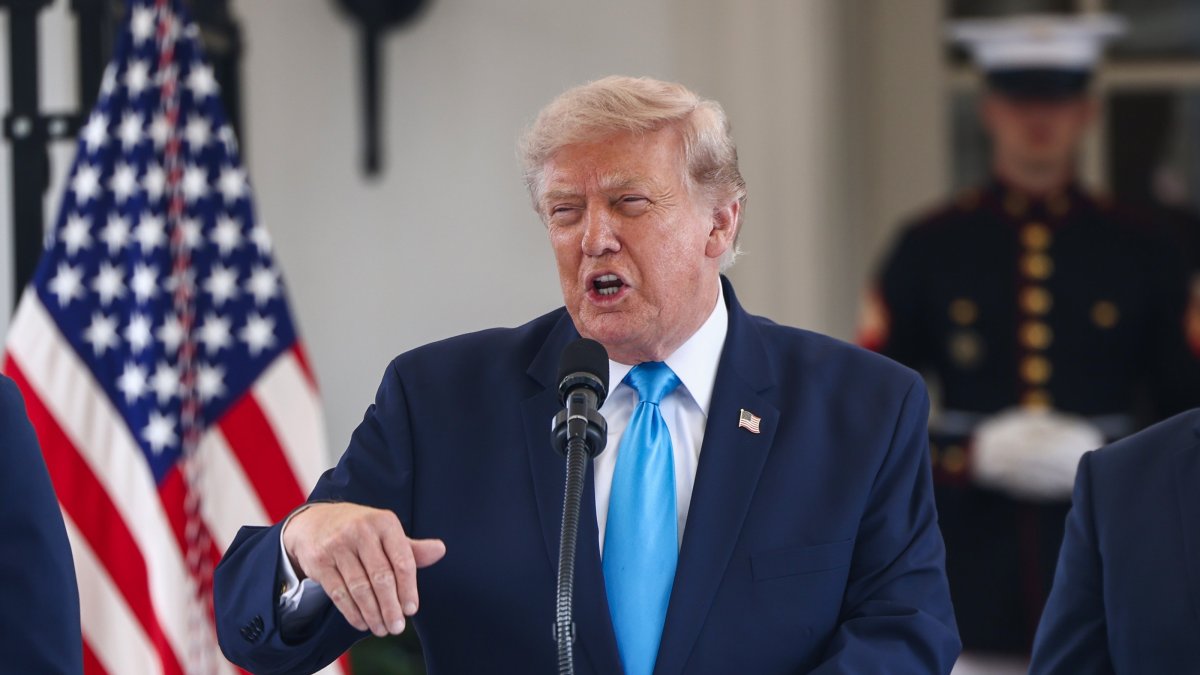
The deal was announced by Donald Trump, who said that months of talks in Egypt on disarming Hamas had achieved a breakthrough. This was a “monumental” step towards peace and security in Gaza, he said. “One year ago there was a violent raging war, humanitarian crisis and hostages kept in brutal captivity. We have made historic progress and there is still much work to do.”
Hamas stands for Harakat al-Muqawama al-Islamiya, the “Islamic Resistance Movement”. Armed resistance is “at the heart” of this, according to its 2017 charter “the strategic choice for protecting… the rights of the Palestinian people”. Now, much weakened, Hamas have taken what one Palestinian official described as the most consequential decision in their history, to abandon the armed struggle.
Under terms of the deal, they will hand over all their weapons to the committee of Palestinian technocrats set up to run Gaza under Trump’s peace plan. Hamas will provide maps of their tunnel networks, arms depots, and underground missile factories, which will be destroyed. Israeli troops will withdraw, replaced by a new Palestinian police force and international peacekeepers. An official involved in the talks was quoted as saying Gaza would run on the principle of “one authority, one law, one weapon.”