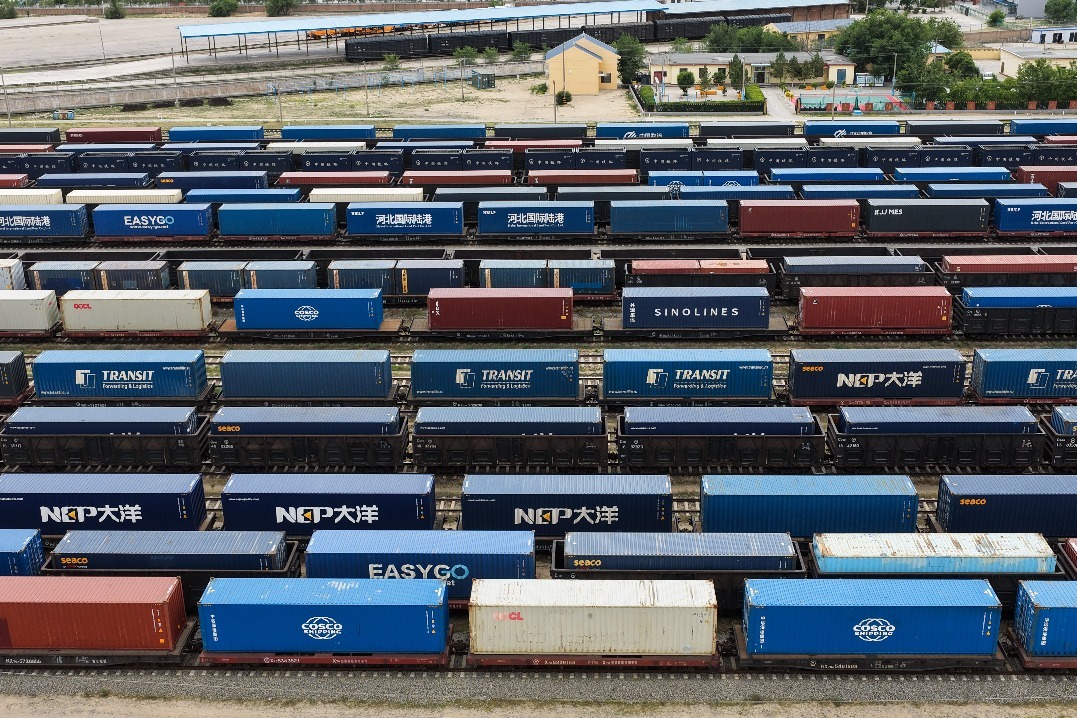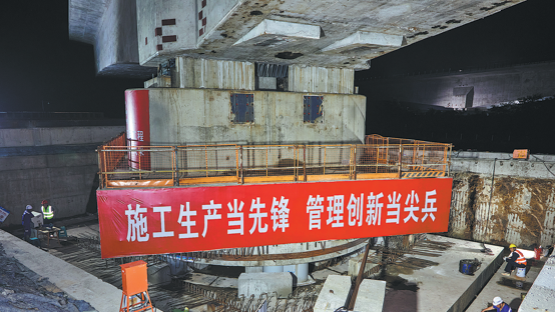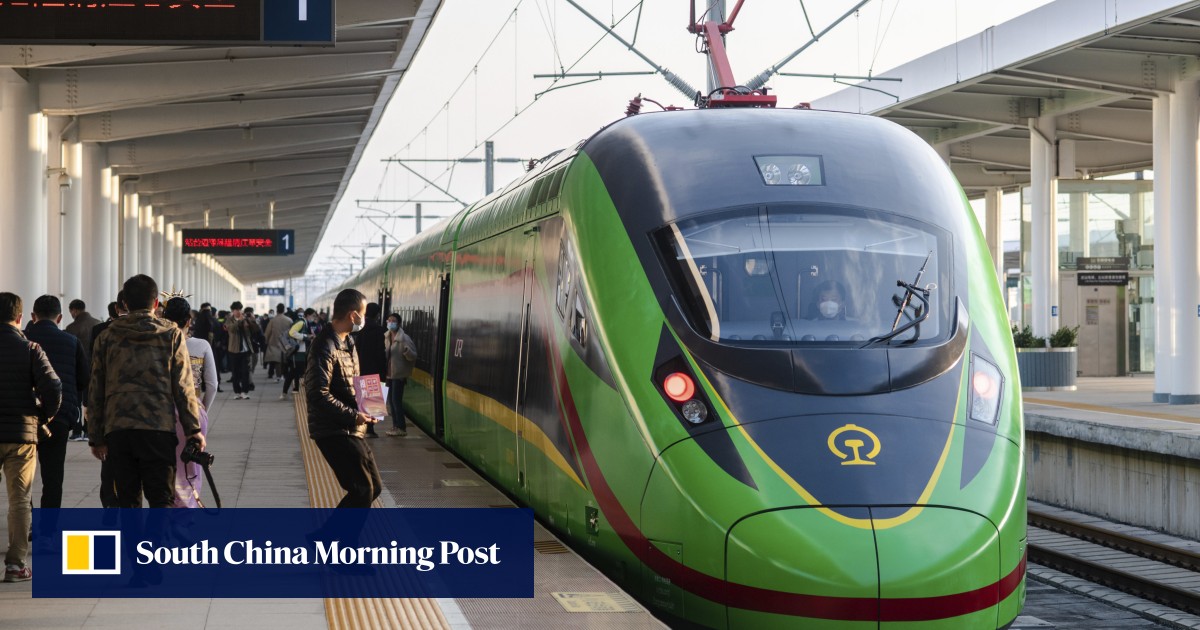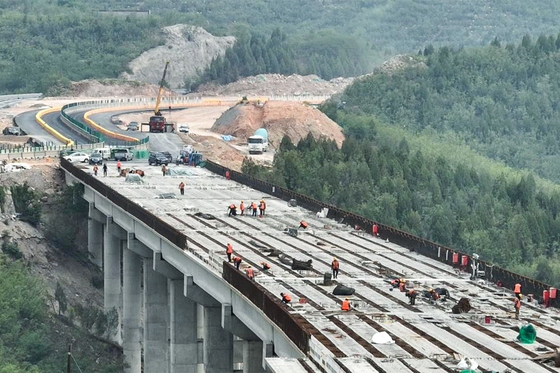
China aims to make its transport systems even more expansive and efficient in the next five years, setting a goal to complete 95 per cent of its core national transport network by 2030.After blanketing the country in railways, expressways, airports and seagoing canals to reach a 91 per cent completion rate, the push for the next 4 percentage points raises questions for the world’s second-largest economy: what’s left to build, and how are massive projects being justified when the nation’s most economically vibrant regions are already connected?Beijing’s resolve to sustain such a connectivity buildout of transport arteries comes even as China already boasts the world’s longest high-speed rail and canal networks, and one of the longest road networks.More broadly, the country’s infrastructure push extends beyond transport. Following a meeting on Thursday, the Communist Party’s Politburo, a major decision-making body led by President Xi Jinping, underscored the need to advance construction of the “six networks” – a broad infrastructure initiative covering water, power, computing, next-generation telecommunications, underground utilities and logistics networks.The following is a breakdown of the planning, rationale and key projects for the period through 2030.What exactly is the 2030 completion target?China’s Ministry of Transport announced the 95 per cent completion goal at a press briefing last week hosted by the State Council Information Office.
How much transport is enough? China eyes 95% coverage across its record network
Beijing aims to expand nation’s world-leading network coverage, raising questions over need for more infrastructure projects as authorities flag ‘weak links’.
215 words~1 min read