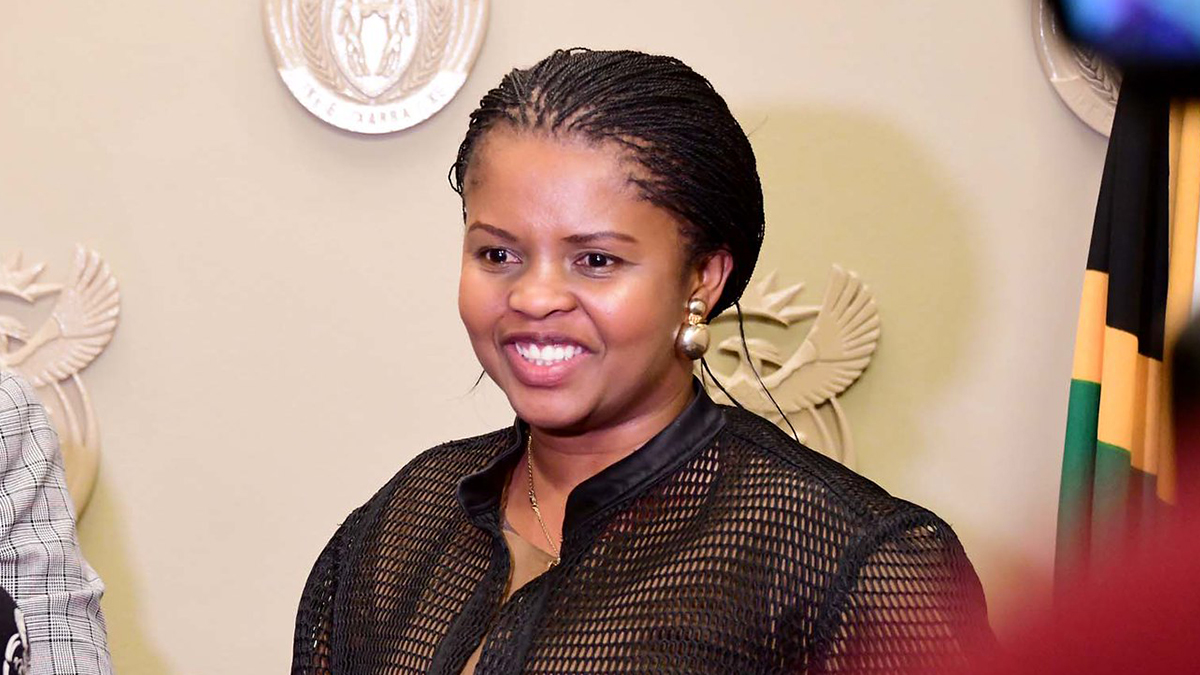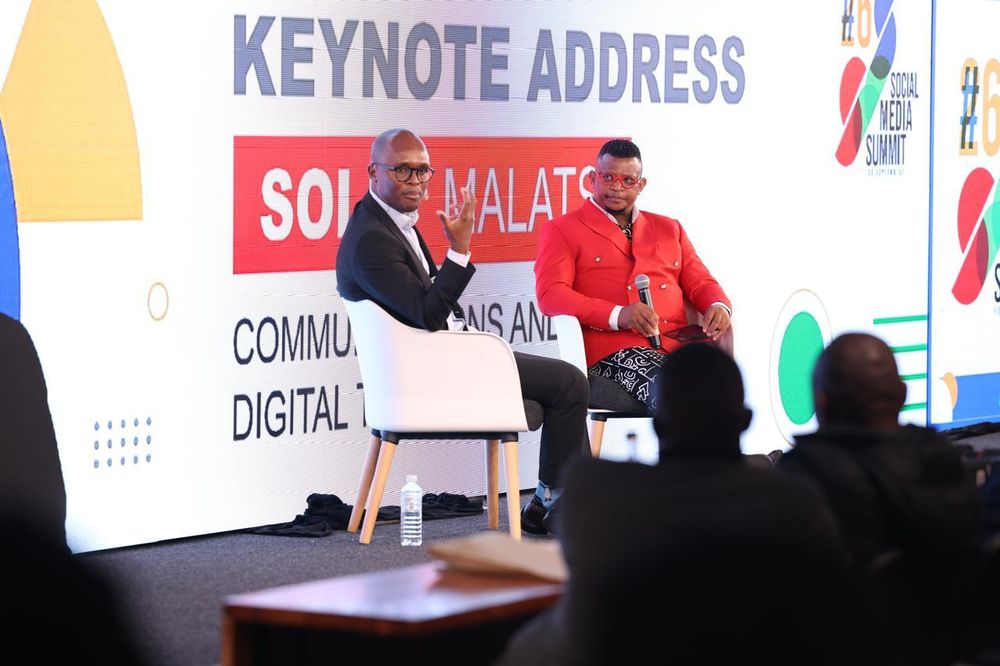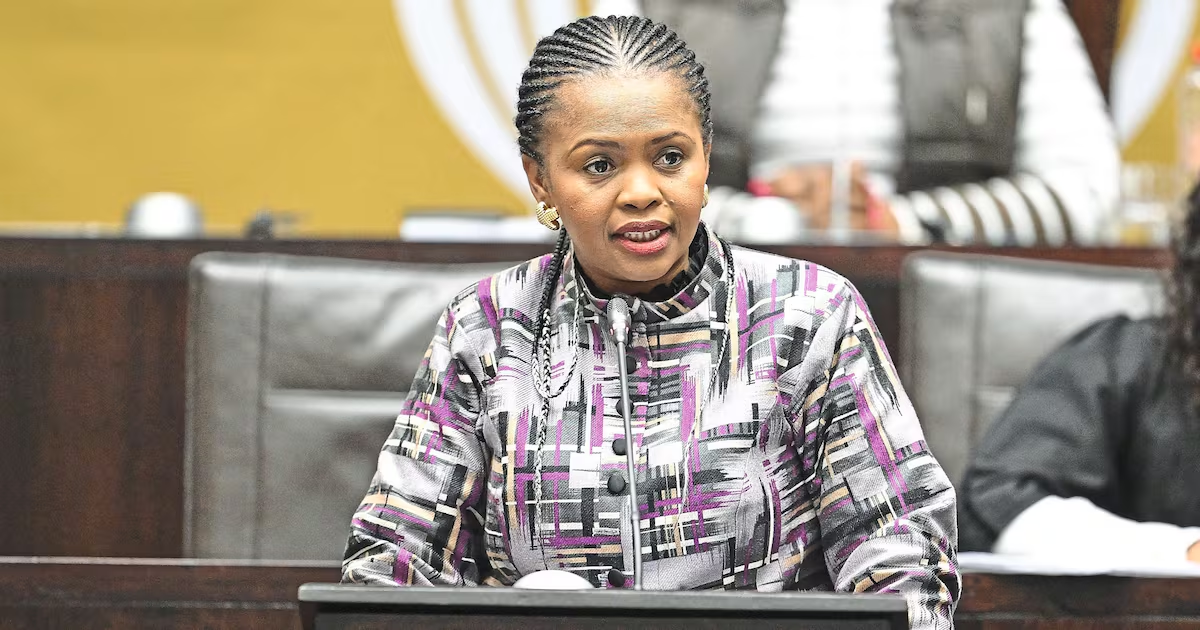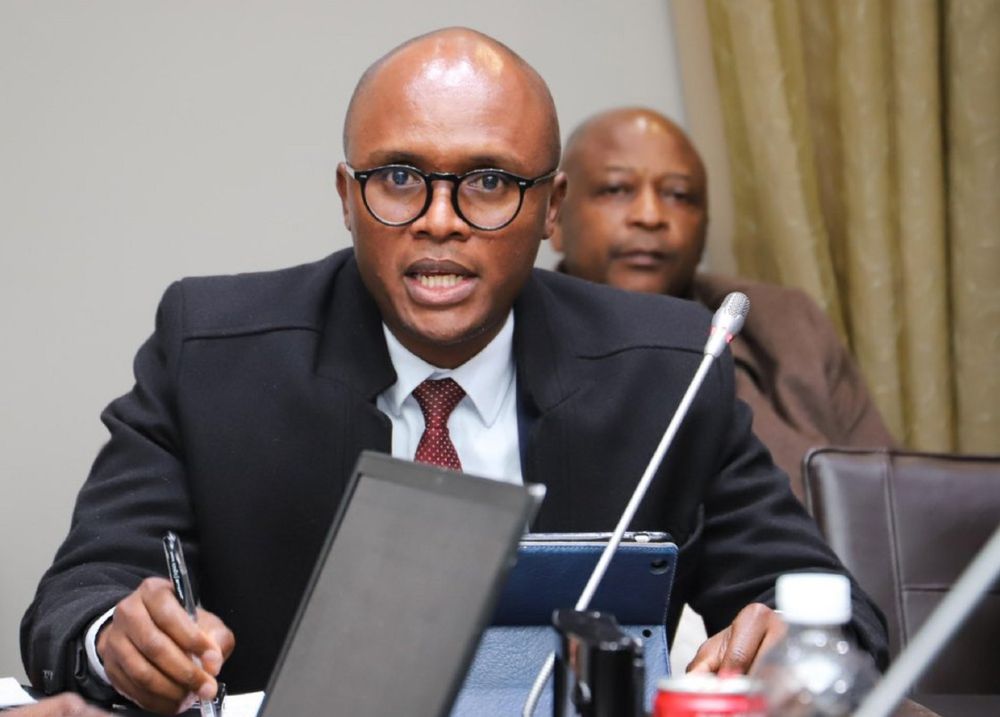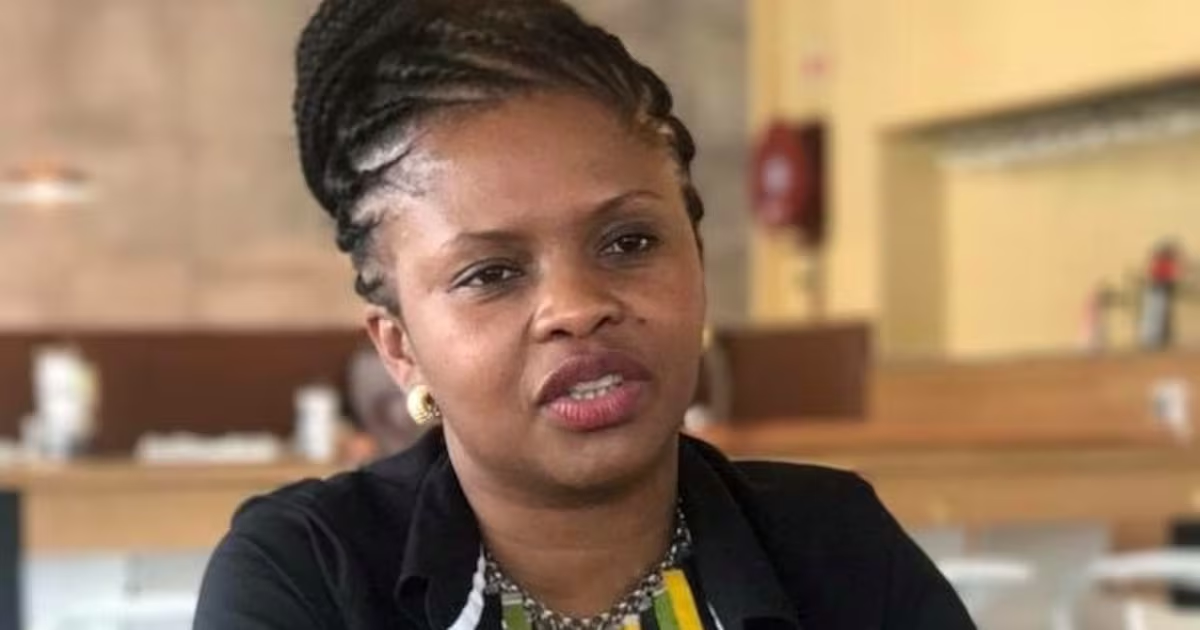
In the clearest indication yet, Khusela Sangoni-Diko has shown parliament is at odds with communication minister Solly Malatsi’s push to introduce new oversight bodies for artificial intelligence (AI) use in the country.In April Malatsi was forced to withdraw the country’s draft national AI policy after it was found AI had inserted fictitious references into the document. One of the main proposals put forward by that version of the policy is the establishment of new institutions, including an AI regulatory authority, ethics board, commission and ombud. This week Sangoni-Diko, who serves as chairperson of parliament’s portfolio committee on communications & digital technologies, added her voice to the list of detractors around the proposal. During her address at Naspers’ AI governance and policy symposium, she said there was no need to create new bodies when existing structures can have their mandates expanded and be resourced as part of the collective effort to regulate AI use in South Africa. During the session, she detailed parliament’s three-step approach to regulating AI. We must empower these existing regulators with new AI-specific tools and capabilities rather than building a new, heavy bureaucracy from scratch. This leverages our existing institutional DNA— Khusela Sangoni-Diko, communications & digital technologies committee chair “First we are going to fortify, working together with government, the existing institutional architecture in tandem with ongoing policy evolution,” she said. “We have a powerful trio of regulators in the form of the Independent Communications Authority of South Africa (Icasa), the Competition Commission and the National Consumer Commission that are already being forced to grapple with challenges associated with AI products. “Our focus is on aligning the mandates of these different institutions, and that’s why the establishment of the information, communication technologies and media regulators forum is so crucial.”To co-ordinate their efforts, she said the forum brings regulators in the sector such as: Icasa;the Film and Publications Board;the Information Regulator; and the .za Domain Name Authority “The intention is to get all of them singing from the same hymn sheet. It’s a model of innovation with integrity which will make South Africa competitive. It will position us as a leader in trustworthy AI, using the resources and expertise we already have.”Second is “driving a collaborative, sector-specific approach to oversight”, said Sangoni-Diko. “We must empower these existing regulators with new AI-specific tools and capabilities rather than building a new, heavy bureaucracy from scratch. This leverages our existing institutional DNA.”The Foundation for Rights of Expression & Equality (Free SA) has argued the introduction of new oversight bodies may duplicate existing functions, increase administrative costs and create new barriers for startups and small businesses.While businesses in South Africa figure out how to make the most of the new technology, the government is under pressure to create rules that protect rights such as privacy while also encouraging innovation and investment“The goal is to build a system where AI is not a black box but a glass box open to scrutiny. This is crucial for democratic accountability. Parliament’s role therefore will be to legislate, provide oversight and ensure the governance structures we create have the teeth to hold power to account.”Third, government is looking to adopt best global practice around AI governance. Sangoni-Diko highlighted the example of the Commonwealth Parliamentary Association which has made effective scrutiny of AI policy a key priority for parliaments worldwide. “This is the correct approach. We cannot leave governance of AI to the technology industry alone, or to the executive branch unchecked. Parliamentary oversight provides a forum where innovation rights, economic opportunity and public accountability can be weighed against transparency and in the interest of all citizens.”AI investment has grown exponentially in recent years, sparked by the rapid adoption and popularity of OpenAI’s ChatGPT since it was launched in November 2022.While businesses in South Africa figure out how to make the most of the new technology, the government is under pressure to create rules that protect rights such as privacy while also encouraging innovation and investment.Business Day
Parliament against creating new AI watchdogs for SA: Diko
In the clearest indication yet, Khusela Sangoni-Diko has shown parliament is at odds with communication minister Solly Malatsi’s push to introduce new oversight bodies for artificial intelligence use in the country.
TL;DRAI
South Africa's parliament opposes new AI watchdogs, choosing to expand existing regulators' mandates instead. This approach avoids bureaucratic duplication and positions SA as a trustworthy-AI competitive hub by leveraging current institutional expertise.
660 words~3 min read