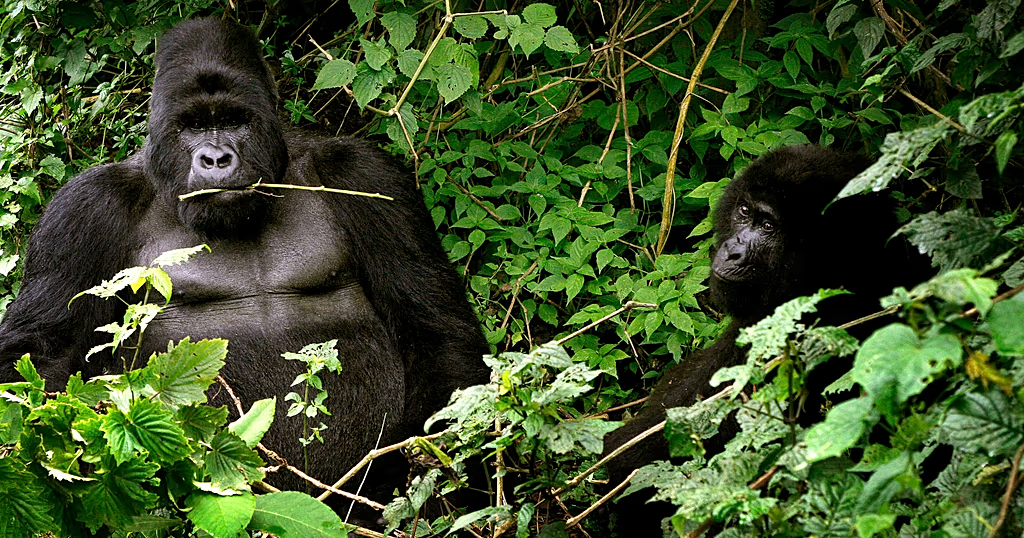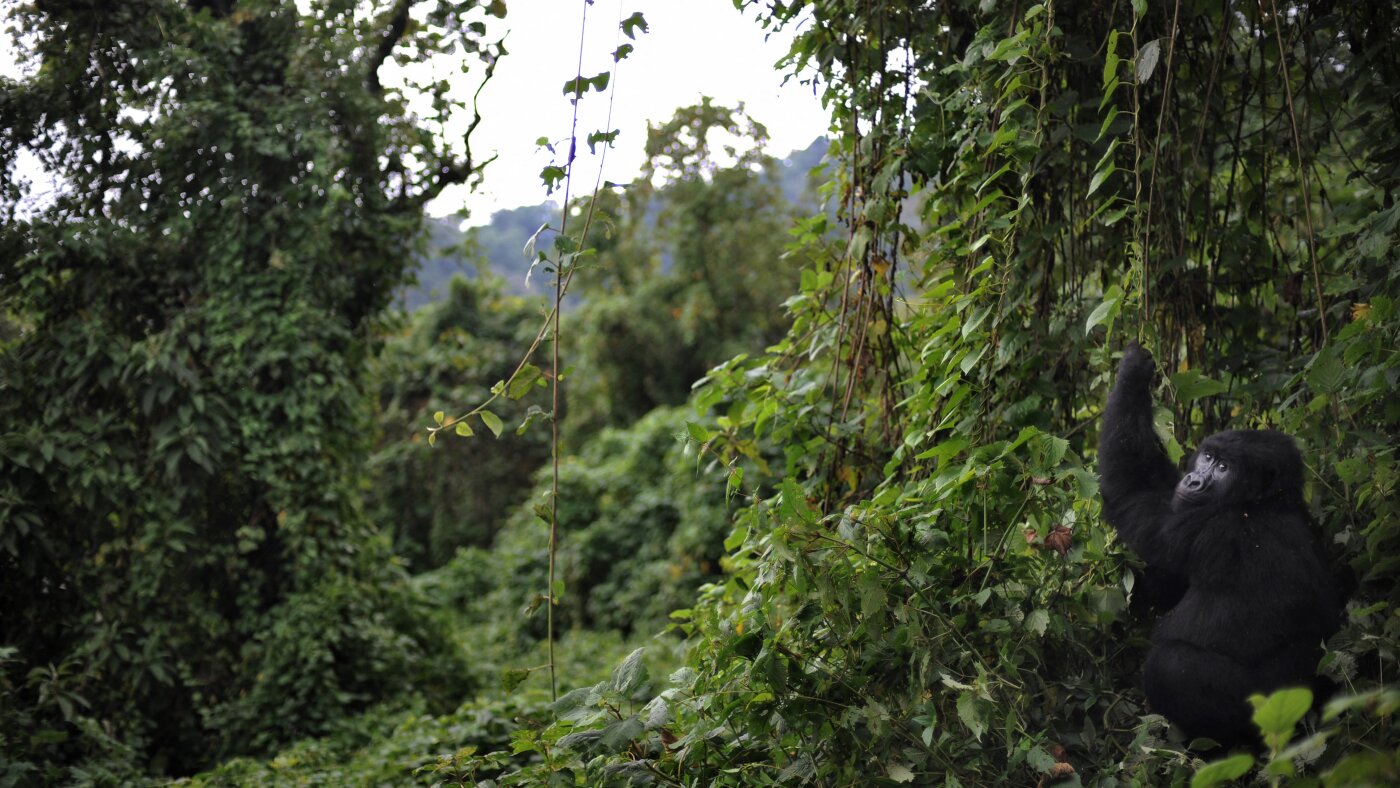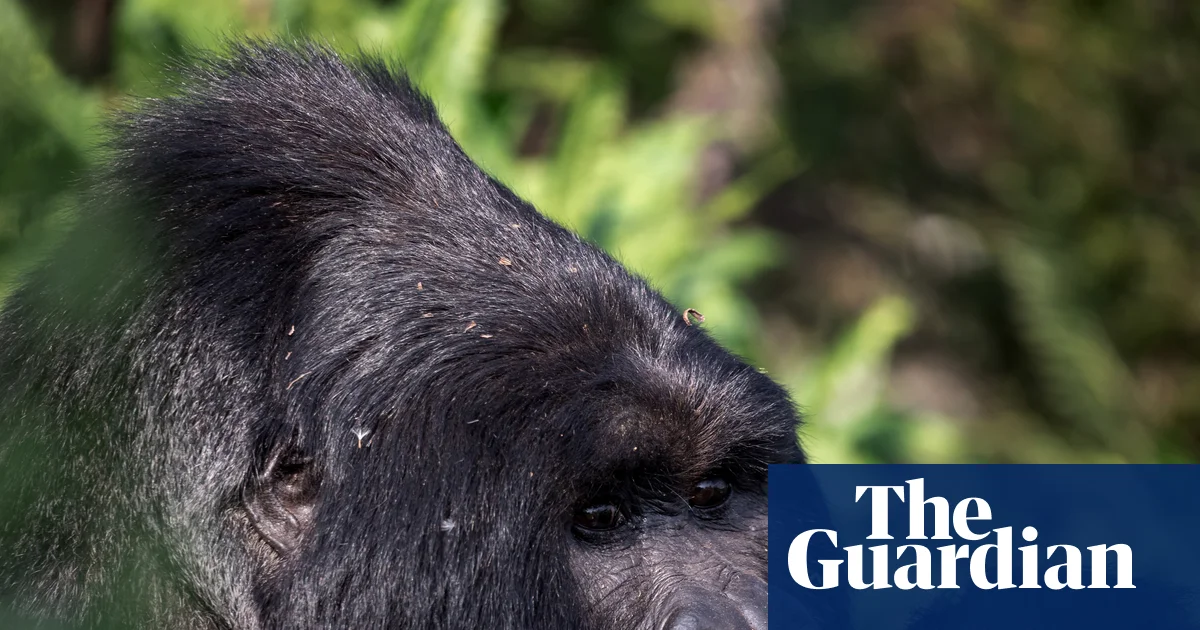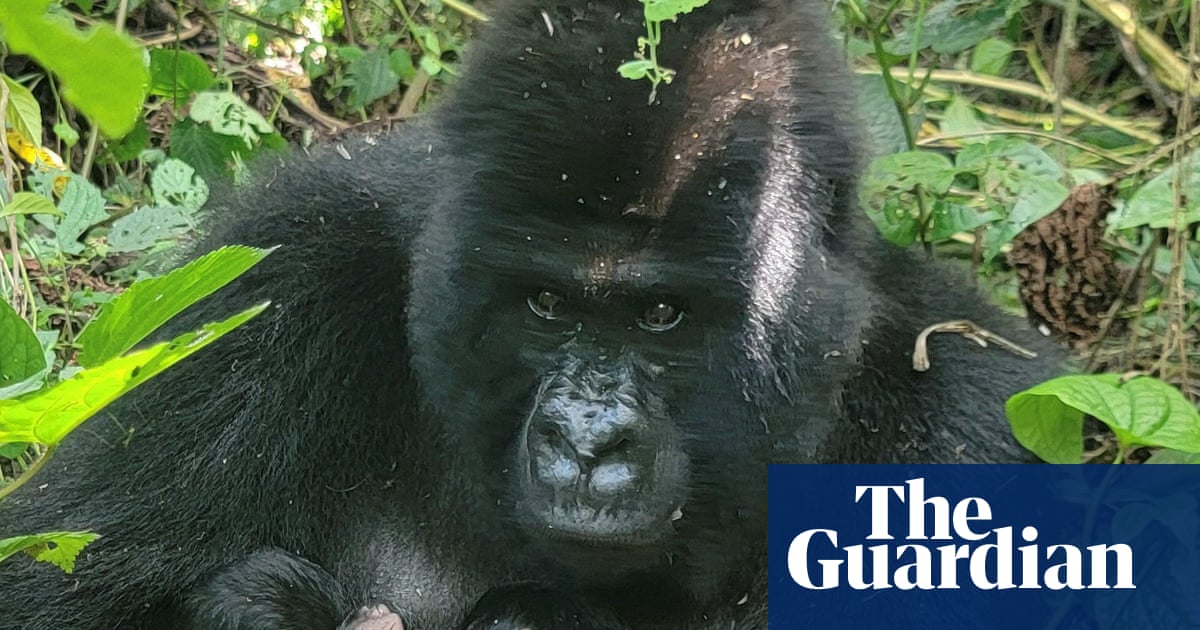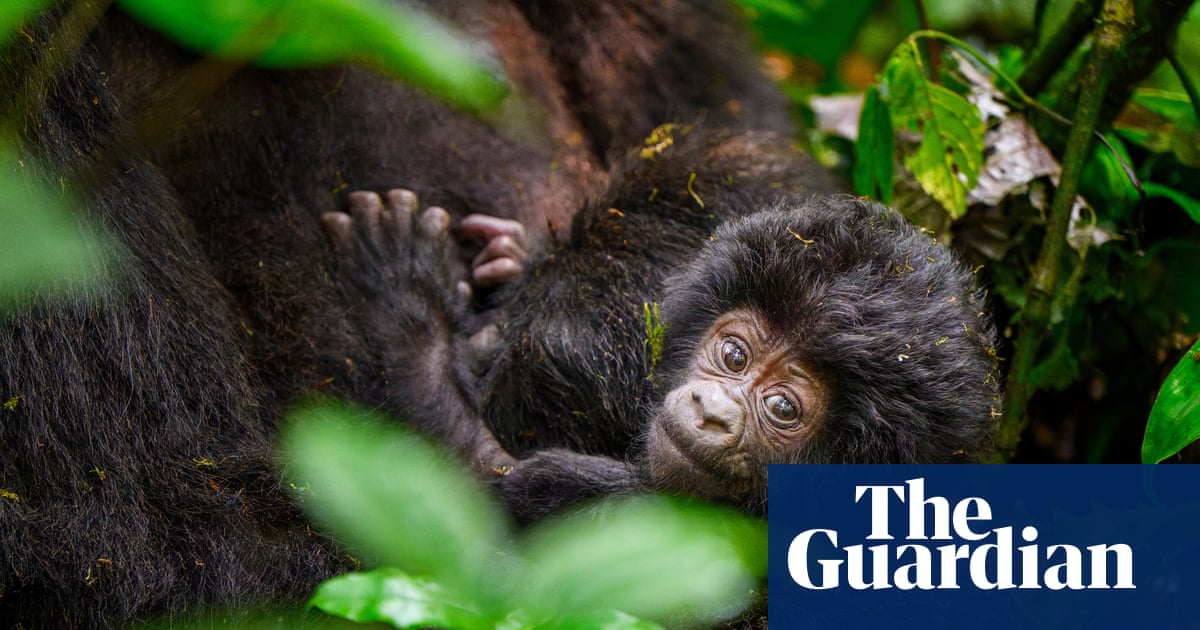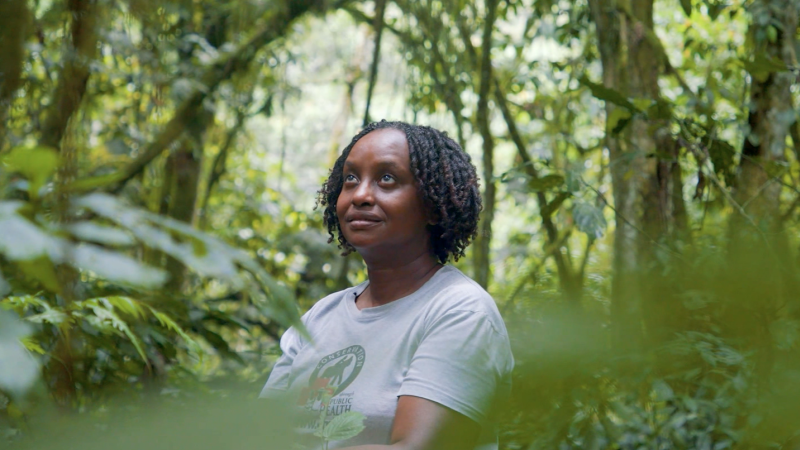
Dr. Gladys Kalema-Zikusoka was just 26 when she became the first wildlife veterinarian in her home country of Uganda in 1996. Nine months into the job, a mysterious skin disease broke out among the country’s mountain gorillas, which were then classified as critically endangered.
“They were losing hair, developing white scaly skin. They were all scratching,” she said. “The baby gorilla had lost almost all their hair.”
Worried, she asked a friend who was a medical doctor about skin diseases that were common in low-income communities, like those close to the gorillas. The answer? Scabies, a parasitic infection caused by mites, often due to poor hygiene.
Kalema-Zikusoka and her team quickly confirmed the diagnosis and successfully treated the gorillas, although the severely infected baby did not survive. Eventually, the disease was traced back to dirty clothes full of mites that had been used on a scarecrow bordering the park – proving that the gorillas had become infected indirectly.
For Kalema-Zikusoka, it was a revelation.