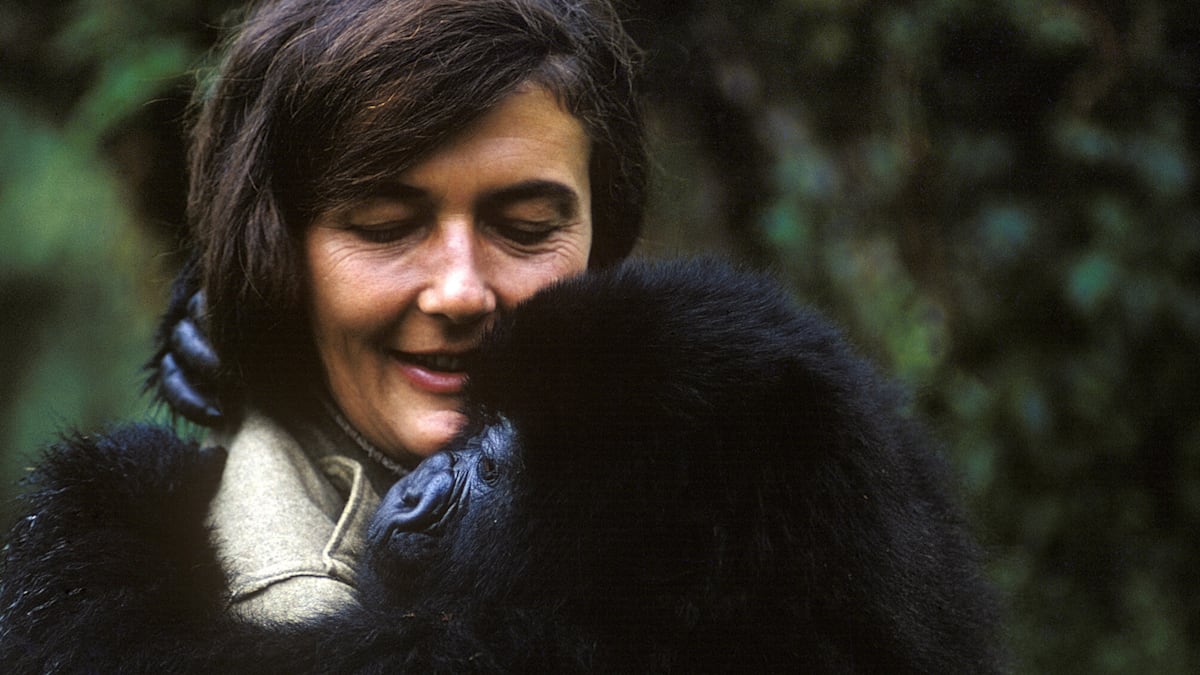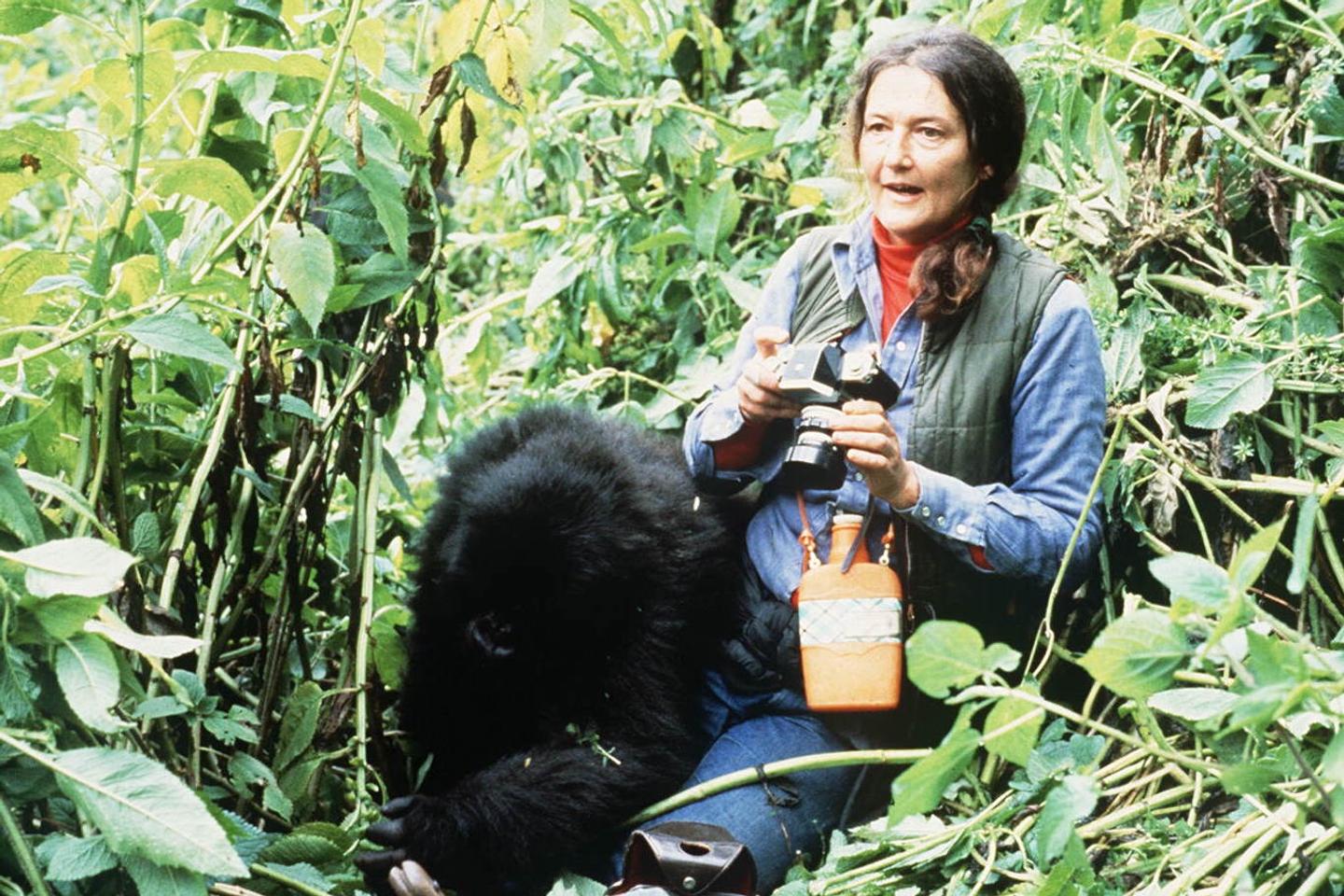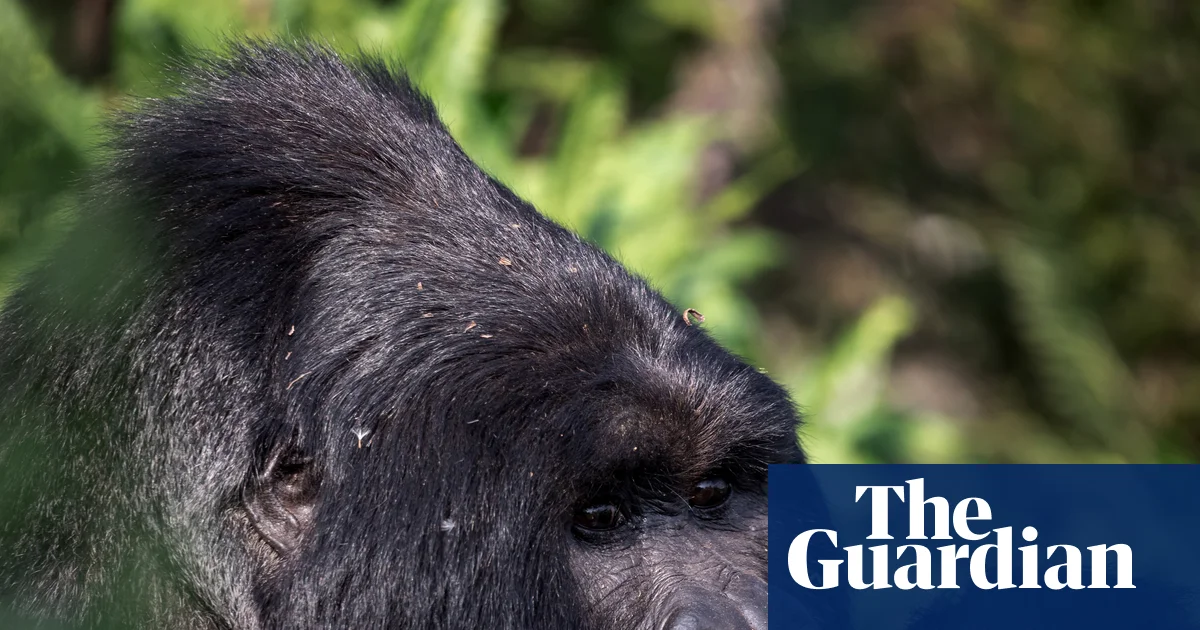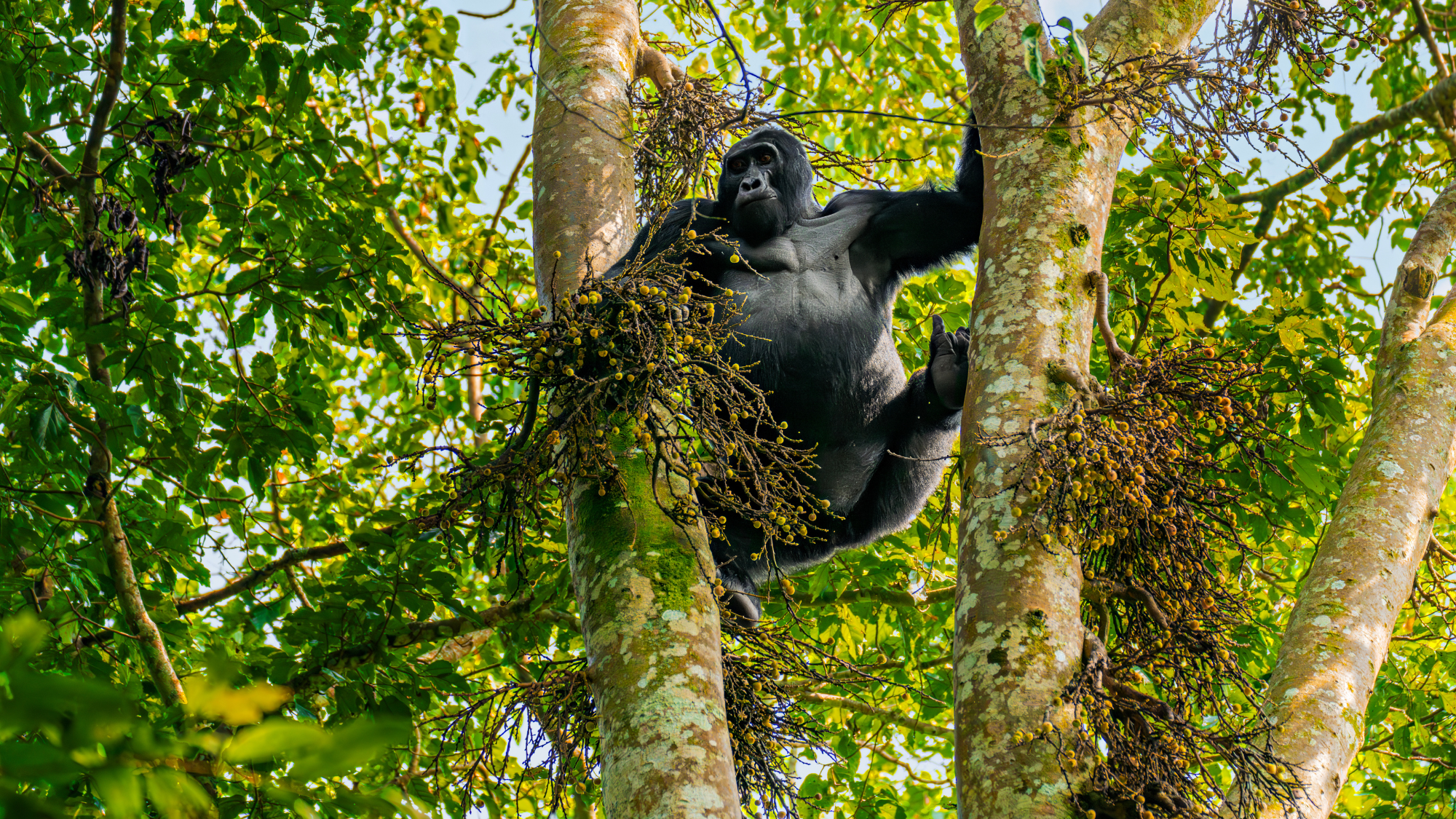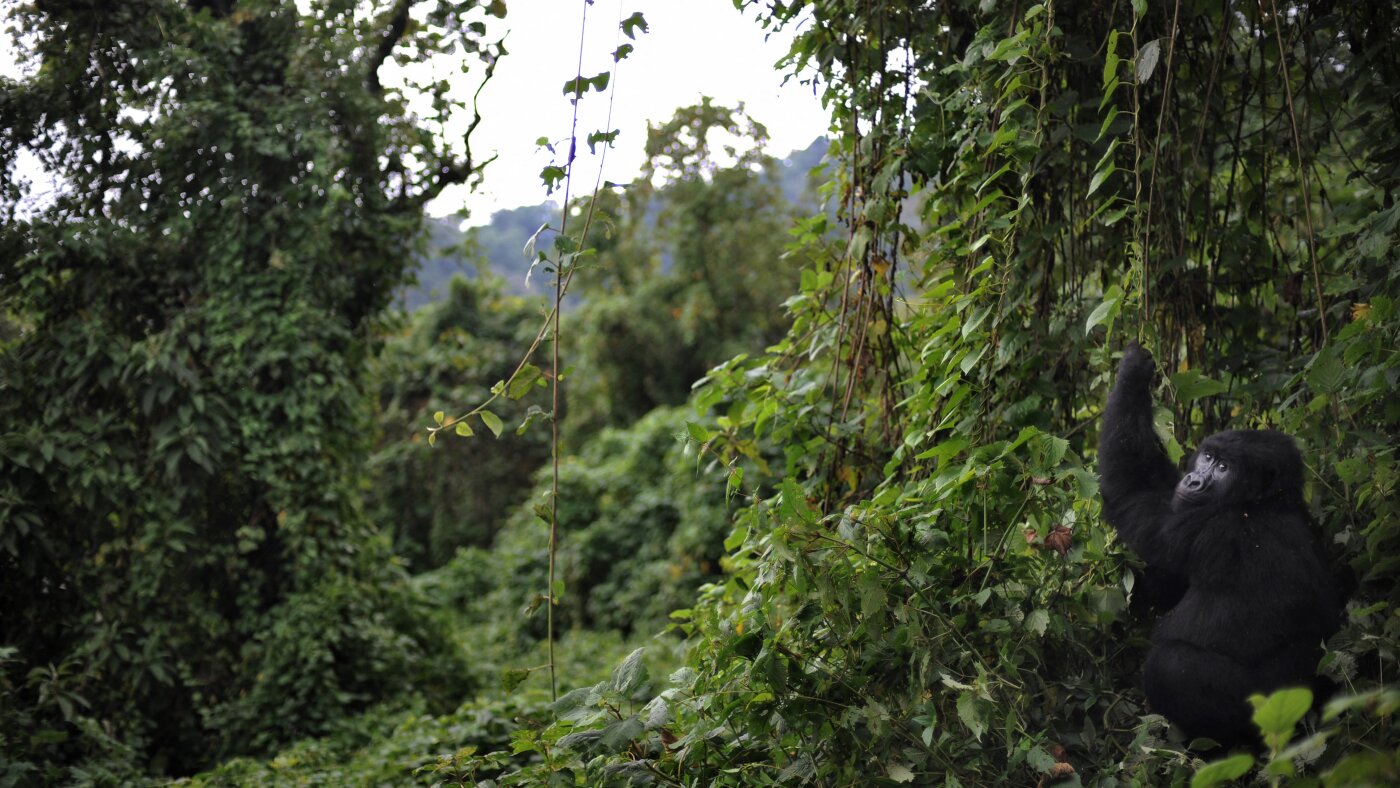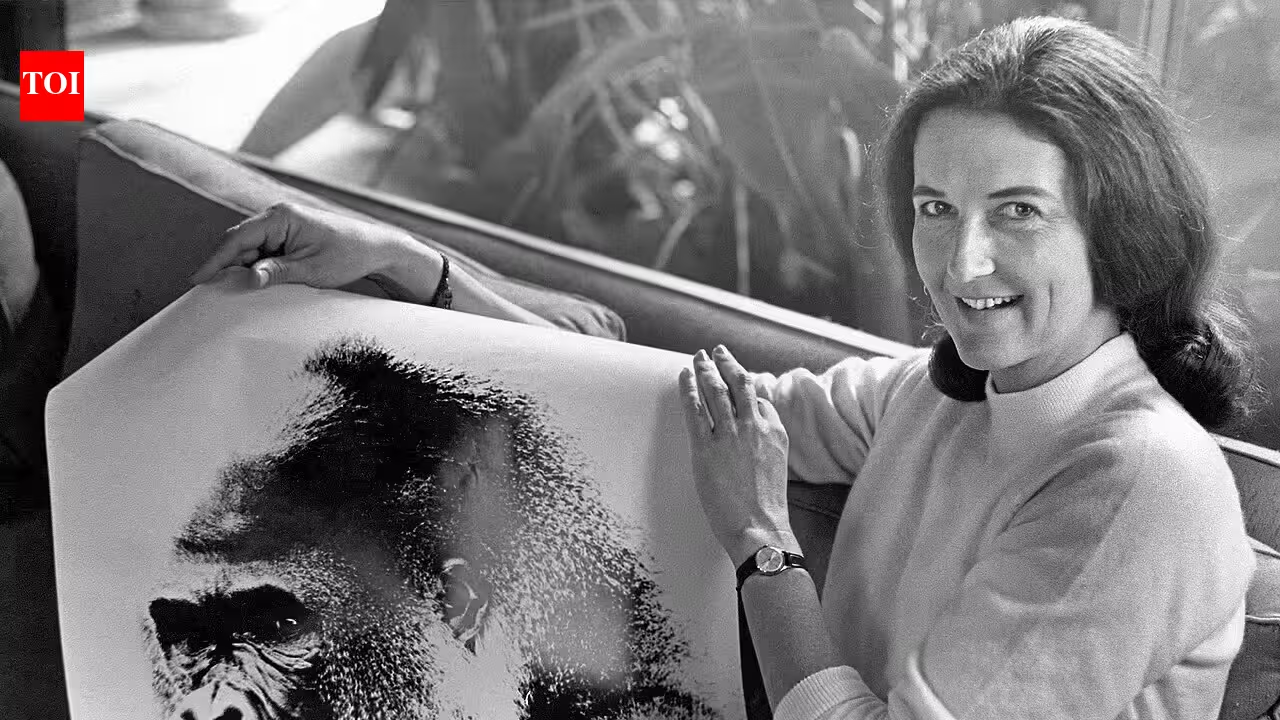
Dian Fossey began mountain gorilla research in 1967, facing significant conservation challenges. Her dedicated work established a vital research centre and inspired ongoing protection efforts. Daily ranger patrols and scientific monitoring have significantly aided gorilla population recovery. Image Credits: Wikimedia CommonsFew conservation stories are as compelling as the pioneering work carried out in the volcanic mountains of Central Africa. Decades ago, turning the area into a scientific research site was a major challenge. Yet, the story changed when American zoologist Dian Fossey ventured into the dense forests of Rwanda to study one of the planet's most vulnerable great apes. According to Dian Fossey Gorilla Fund’s Karisoke Research Center page, the site began in September 1967 as a campsite with two small tents and grew into an internationally known research station. This field station, nestled between Mount Karisimbi and Mount Bisoke, became the base for a long-running continuous study of mountain gorillas.Fossey spent almost 18 years living amongst the mountain gorillas, studying their social organisation, family ties, and individual characteristics. She had an active role in all difficulties encountered in the task of conserving the gorillas. Fossey realised that poaching, illegal grazing of cattle, and human intrusion were jeopardising the lives of these wonderful beings and decided to devise a way of actively conserving them. This entailed destroying traps, chasing away poachers, and mobilising the whole world to conserve these precious species. In addition to these activities, Fossey devised behaviour-observation techniques that transformed the way primates were tracked.Although her life was tragically cut short in 1985, the research centre she established and the anti-poaching approach she championed continued to shape mountain gorilla conservation long after her death. Today, the Dian Fossey Gorilla Fund continues her work through scientific monitoring, community education, and daily ranger patrols. These teams patrol the terrain each morning to remove wire snares and arrange veterinary care for injured animals.How daily protection turned the tide for mountain gorillasThe population recovery reflects years of sustained field protection. For many years, conservation experts worried that mountain gorillas would disappear entirely as human populations grew and forested habitats shrank around them. However, data compiled by the Dian Fossey Gorilla Fund highlights a remarkable turnaround driven by consistent field monitoring and community engagement. By maintaining a daily presence through local trackers and researchers, the organisation deterred illegal activity and monitored the health of gorilla families.This long-term monitoring approach allows scientists to track birth rates, treat injuries caused by snares, and understand ecological shifts within the forest ecosystem. The institution also works with nearby towns and villages to support sustainable livelihoods. When surrounding communities benefit from education, healthcare, and economic opportunities, pressure on natural habitats can decrease. By introducing alternative income streams like mushroom farming and craft cooperatives, local families no longer need to rely on illegal forest extraction for survival. Through these combined efforts, the once plummeting population has rebounded remarkably, with current estimates showing that the total number of mountain gorillas across the region now comfortably exceeds 1,000 individuals.Community engagement and sustainable livelihoods reduce pressure on vital forest habitats. The Dian Fossey Gorilla Fund continues this legacy, ensuring future conservation success. Image Credits: Wikimedia CommonsSustaining a legacy of science and community harmonyModern conservation initiatives in the Virunga Mountains continue to expand in scope. The opening of the Ellen DeGeneres Campus of the Dian Fossey Gorilla Fund in Rwanda added a permanent facility for research, education, and community gatherings. This facility hosts local students, international scientists, and visitors, and supports education and outreach programs. Equipped with advanced laboratories and interactive exhibition spaces, the campus serves as an intellectual hub designed to foster homegrown conservation science within East Africa. By training local researchers and empowering African conservation leaders, the organisation ensures that the future of the region rests firmly in the hands of those who live closest to the land.This is through working on habitat fragmentation and promoting sustainable agriculture in order to ensure that animals live harmoniously with people. The forest camp is now a major research centre for primates, reflecting conservation efforts in the area. The mountain gorillas are still being observed by scientists using techniques developed from the initial research in the field. Due to climate change and agricultural activities, such adaptive measures are important for the protection of biodiversity in the Albertine Rift region as well as the welfare of its people.
In 1967, Dian Fossey built a camp among Rwanda's gorillas and spent almost 18 years there; the population she fought for now exceeds 1,000
Few conservation stories are as compelling as the pioneering work carried out in the volcanic mountains of Central Africa. Decades ago, turning the area into a scientific research site was a major challenge.
723 words~3 min read