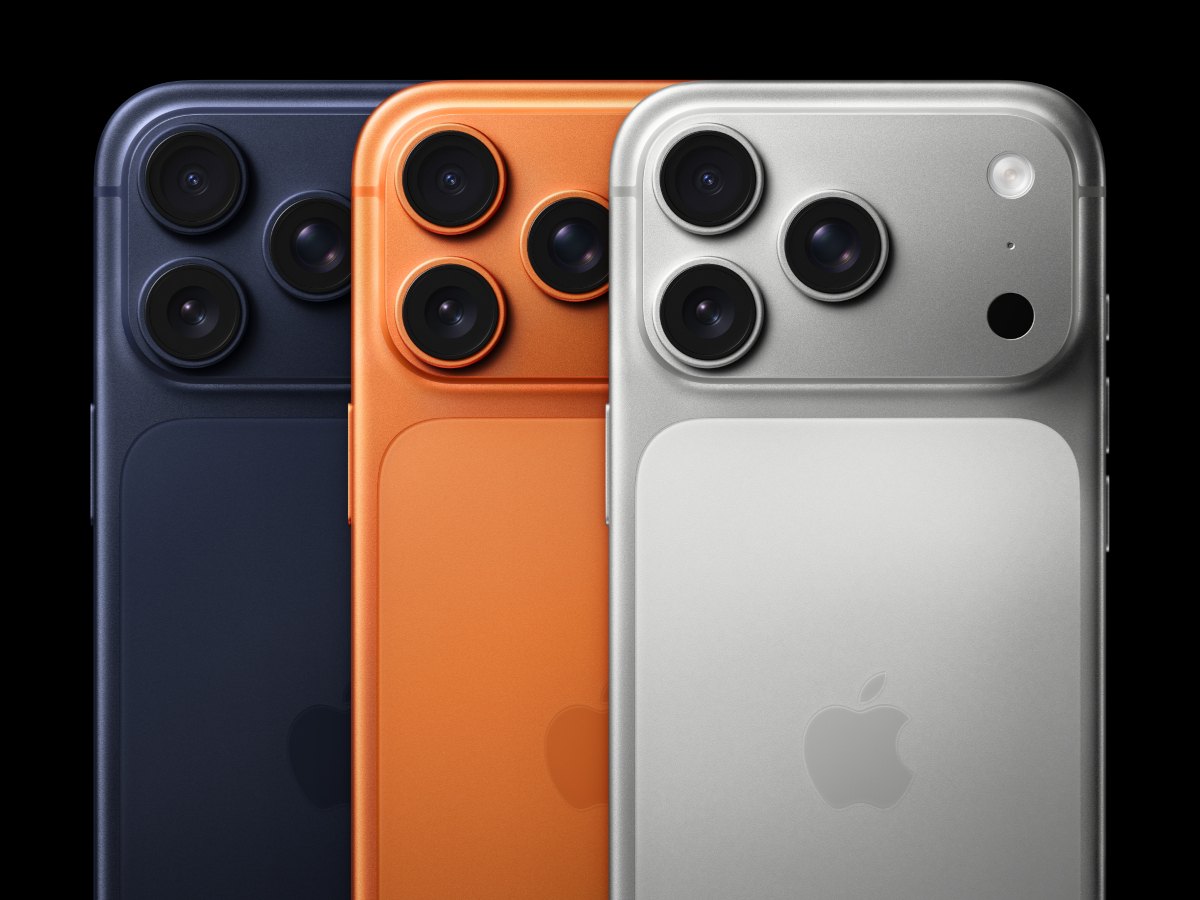
Apple is stockpiling and “scrambling” to ensure it is able to produce enough iPhones, the company has warned.The alert came amid Apple’s latest results, which were its strongest comparable quarter ever. They showed iPhone and Mac sales growing better than expected, up 22 per cent and 29 per cent, respectively.But those strong sales come amid an ongoing crisis in the availability of memory chips. Sometimes referred to as “RAMageddon”, the rush for chips to power AI systems has left manufacturers of other devices unable to buy them, and forced companies to increase the prices of their products.That has included Apple, which last month pushed up the prices of many its devices by 20 per cent or more. That did not apply to iPhones, but that may be because Apple is planning to launch a range of new models in September and could use that opportunity to increase prices then.Now, Apple’s chief executive Tim Cook has warned that the chip crisis could also make it hard to produce enough phones to satisfy that increased demand.“We continue to expect high levels of demand. However, with less flexibility in supply chain, we expect the impact from the supply constraints to increase significantly sequentially,” he said during a call to announce the results. “We’re seeing some very significant constraints currently with limited flexibility in the supply chain to remedy it.”The same results suggested that Apple is stockpiling as much of the products as it can, presumably to ensure that it has enough to avoid shortages. It reported $11.1 billion in inventory, compared with $5.7 billion in September – a break with Mr Cook’s usual directive of ensuring that Apple minimises the amount of products that it keeps in reserve.“We’re going to be scrambling on the supply side, essentially,” Mr Cook told investors.Those results led the company’s share price to fall 6 per cent, despite the record-breaking numbers, with investors citing Apple’s own warnings about its future growth and concerns that the supply problems could hit its earnings. Apple said that its growth was likely to be between 9 and 11 per cent next quarter, compared with the usual 16 per cent in recent years.
Apple is running out of iPhones, company warns
Prices have already risen across products in response to chip crisis
TL;DRAI
Apple warned iPhone supply will tighten as AI chip shortage monopolizes capacity; growth forecast cut to 9-11% despite strong sales. AI demand is starving consumer device production, forcing price increases and availability constraints across vendors.
360 words~2 min read