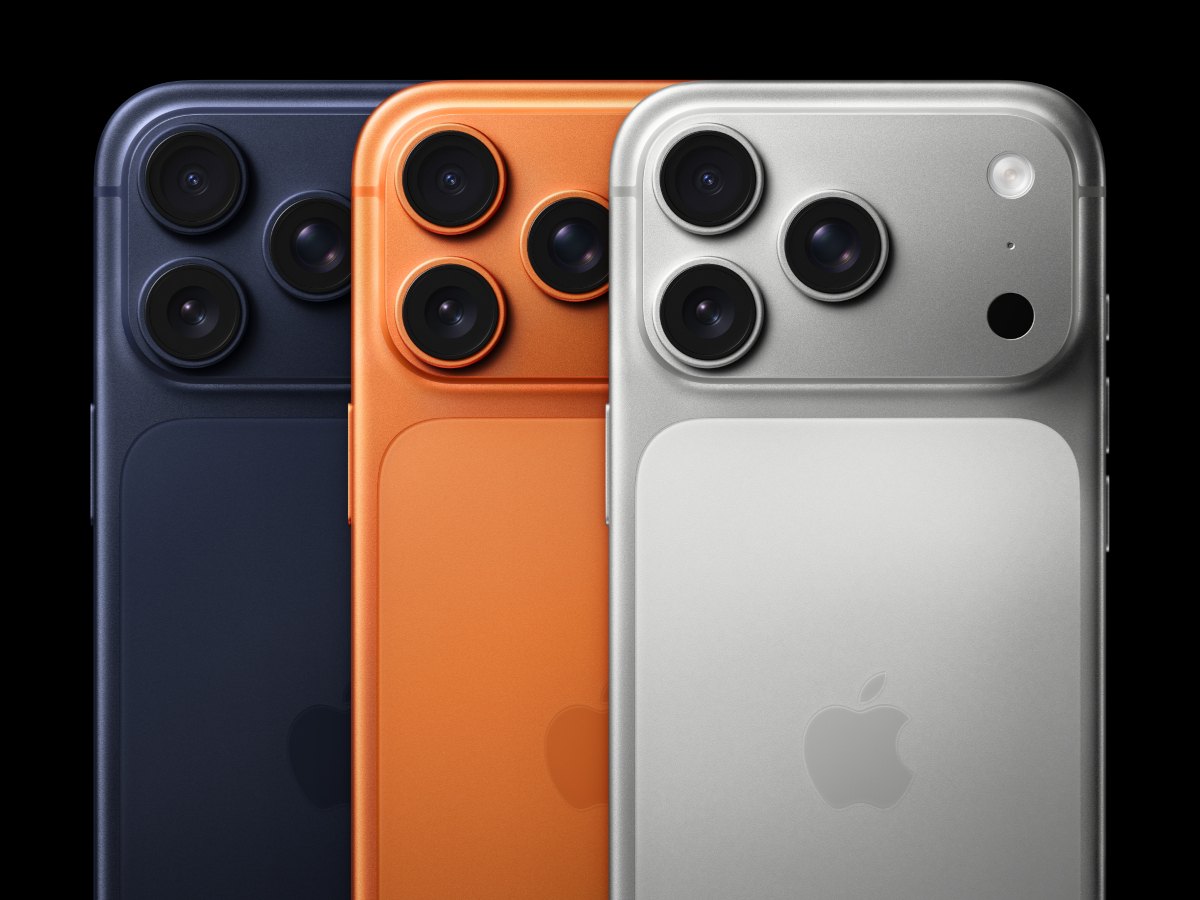
As the generative AI boom drives steep demand for hardware components, Apple and other hardware makers are facing what outgoing CEO Tim Cook calls “a hundred-year flood [on] memory pricing,” which is severely impacting the cost of producing iPhones, MacBooks, and other devices.
Apple described its recent earnings report as its “strongest June quarter ever,” with iPhone and Mac sales performing better than expected, growing 22% and 29% respectively year over year. Yet the company is bracing for memory shortages, known as RAMageddon, to get even worse. Apple’s biggest challenge is securing the advanced memory nodes used in its Apple silicon chips, which power the A-Series and M-Series processors used in iPhones and Macs.
“We continue to expect high levels of demand. However, with less flexibility in supply chain, we expect the impact from the supply constraints to increase significantly sequentially,” Cook said on Apple’s quarterly earnings call. “We’re seeing some very significant constraints currently with limited flexibility in the supply chain to remedy it.”
Apple is evidently worried enough about supply shortages that it reported $11.1 billion in inventory, nearly double the $5.7 billion it reported last September. This marks a break from Cook’s long-held supply chain approach, which has emphasized minimizing how much inventory Apple has on hand.