Executive Summary
France’s quantum ecosystem continued to expand in July 2026 through a combination of government oversight, industrial scaling, international partnerships and commercial growth, even as policymakers acknowledged intensifying global competition. The French Court of Auditors concluded that the country’s National Quantum Strategy has been well managed but warned that the international landscape has evolved more quickly than France’s current roadmap, with industry consolidation and foreign acquisition pressure creating new challenges for domestic companies. The assessment highlighted the need to transition from early-stage support toward long-term industrial competitiveness.
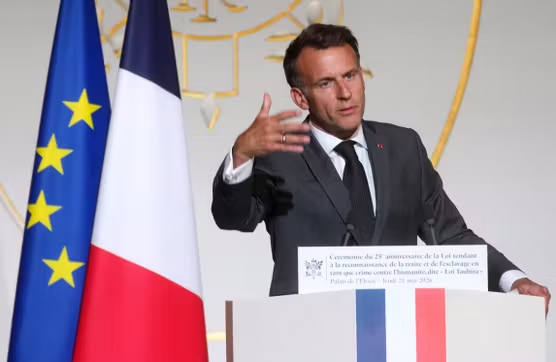
Quantum technologies also featured prominently in France’s broader strategic agenda. President Emmanuel Macron identified quantum technologies as a priority area for deeper cooperation with Germany alongside artificial intelligence, defense, space and energy, underscoring quantum’s growing role in European industrial and security policy.
Commercial activity remained strong, led by Pasqal, which expanded internationally through partnerships in South Korea, launched a Canadian photonic packaging initiative through Aeponyx, began work on the €50 million Q-PLANET pilot line for neutral-atom quantum chips and strengthened its commercial leadership with the appointment of former HPE executive Mark Armstrong. Elsewhere, Quobly signed a $5 million agreement with SEALSQ to integrate post-quantum security into silicon-based quantum computing platforms, while BTQ subsidiary QPerfect joined France’s first publicly accessible neutral-atom quantum computing project.