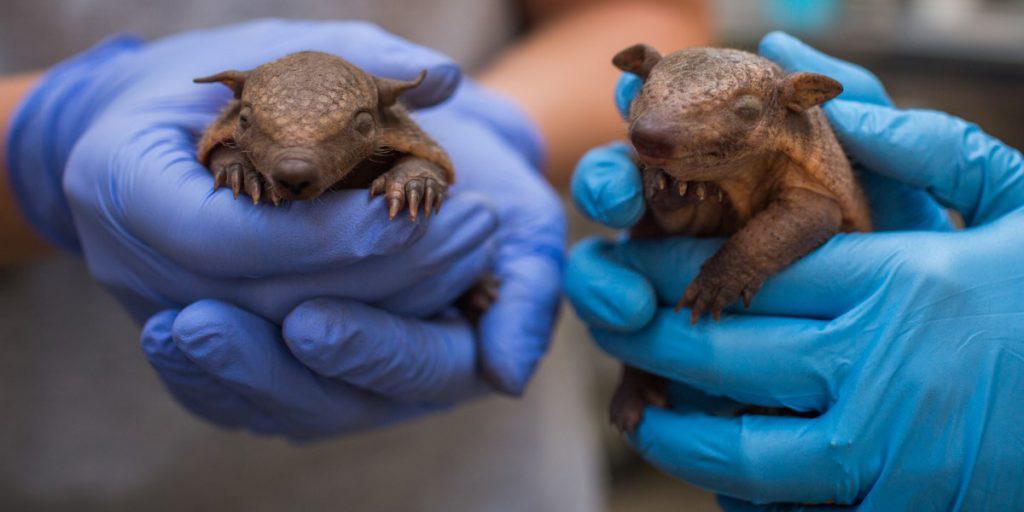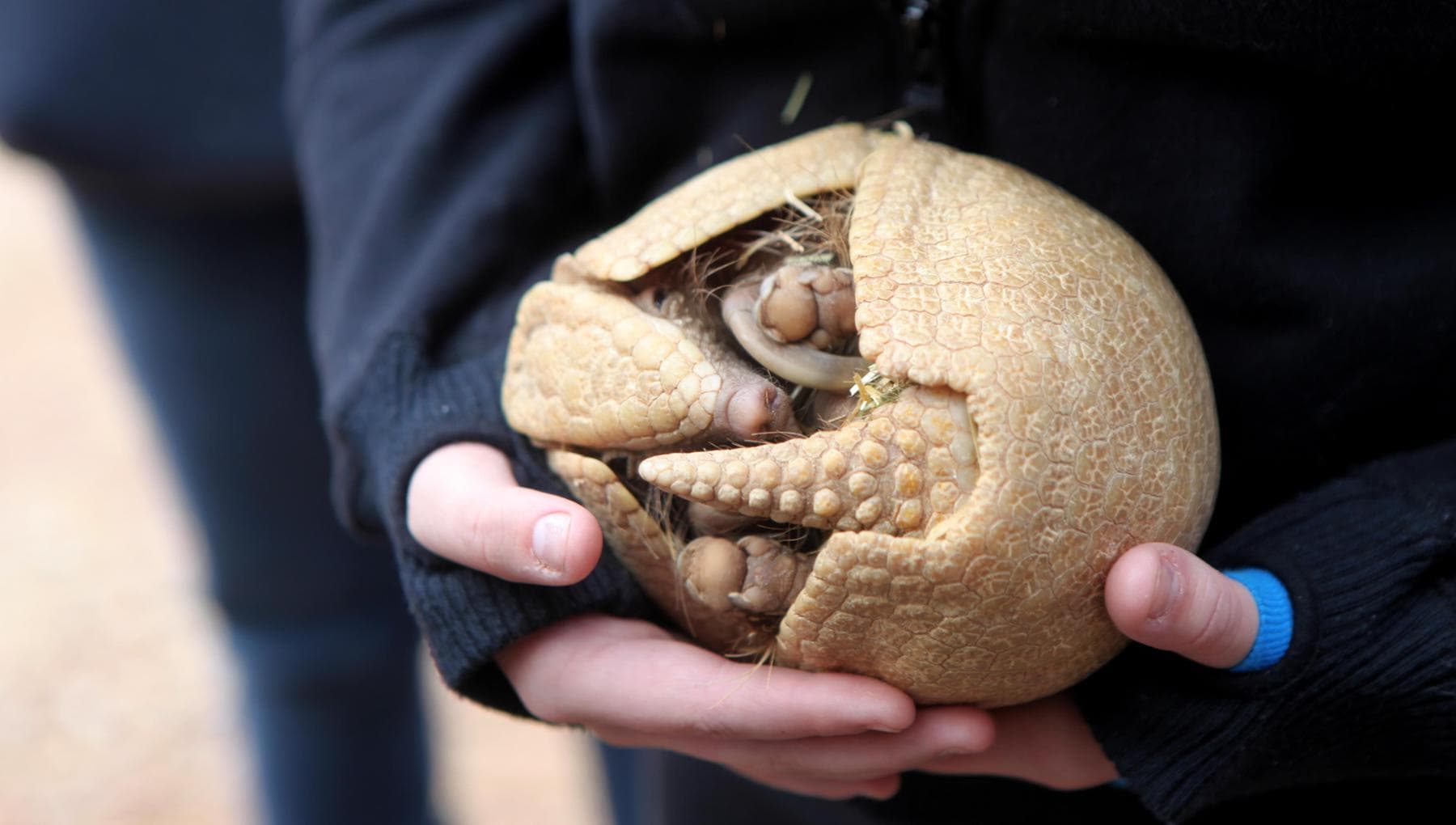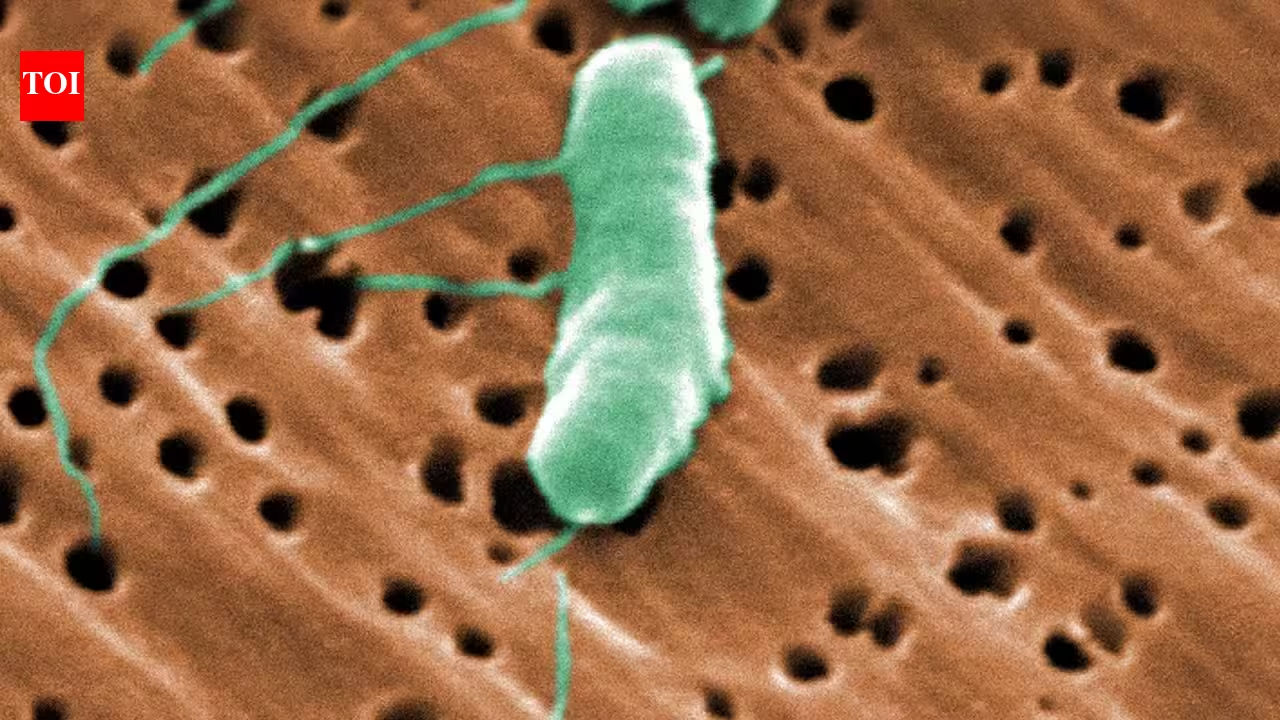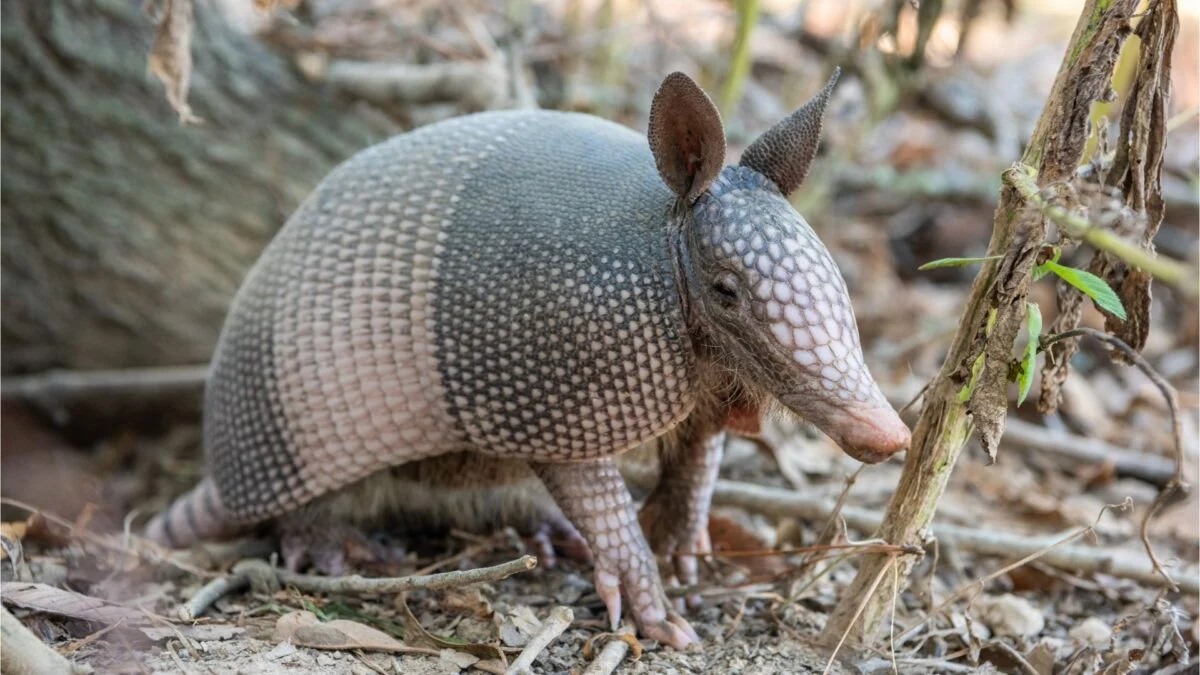
Florida seems to have a leprosy problem, and armadillos might be playing a role. The state has seen dozens of reported cases in recent years, many of which were likely acquired locally. Though the infectious disease is still rare and hard to catch, it may be endemic in Florida. At least some cases have been traced back to contact with local nine-banded armadillos. Leprosy in Florida Leprosy is primarily caused by Mycobacterium leprae bacteria. These bacteria hijack certain cells in our body, particularly around the skin, to replicate. However, it can take years following exposure for symptoms like pale lesions and sores to emerge. If left untreated, the infection can also gradually destroy nerve and eye cells, leading to blindness and permanently disfigured limbs. The arrival of antibiotics and improved sanitation has made leprosy a rarer threat in much of the world, including the U.S. However, it’s still widely prevalent in some countries, with more than 200,000 cases reported annually globally. Only about 200 cases are documented in the U.S. every year, with many cases involving people who caught the infection somewhere else. In recent years, evidence has suggested these bacteria have reestablished a foothold in parts of the southeastern U.S., Florida included.
Florida Saw 36 Leprosy Cases Last Year. The Source May Surprise You
The state has continued to report cases of the rare but potentially debilitating infection.
508 words~2 min read