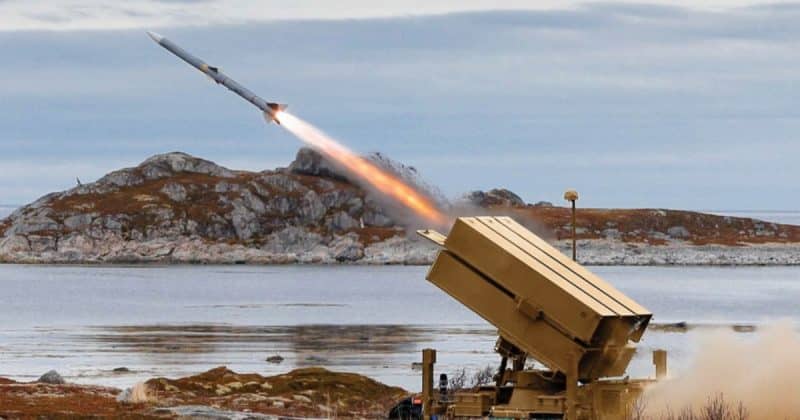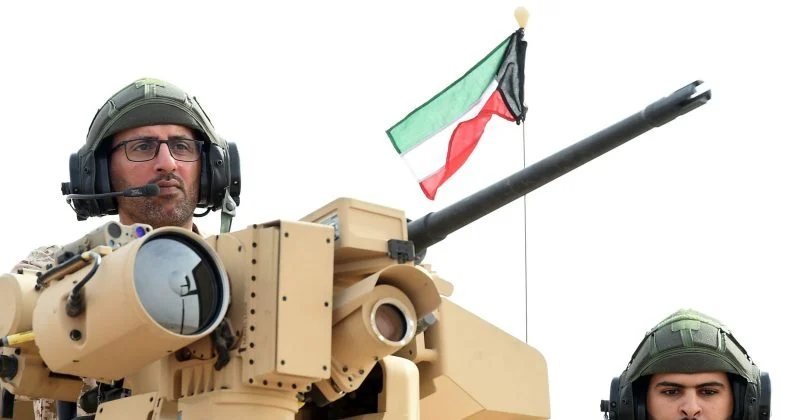
Kuwait’s armed forces shot down Iranian drones that entered the country’s airspace, causing material damage on the ground and adding another volatile chapter to a regional conflict that is starting to reshape how investors think about risk assets, energy pricing, and the role of crypto as a geopolitical hedge.
The interception is part of a much larger pattern. Kuwait has now intercepted a total of 97 missiles and 283 drones since the conflict with Iran escalated. In one particularly intense episode on June 3, 2026, Kuwaiti forces took down 28 drones in a single wave attack. That same day, Kuwait International Airport sustained heavy damage, resulting in one fatality and dozens of injuries.
A conflict with escalating stakes
Iran’s drone and missile campaigns have primarily targeted US military installations inside Kuwait, including Ali Al-Salem Air Base and Camp Udairi. The logic, from Tehran’s perspective, is straightforward: hit American forward-deployed assets without directly engaging US naval or air power. Kuwait, which hosts these bases under longstanding defense agreements, has become the unwilling middleman in a confrontation it didn’t seek.
The human cost is already real. Multiple drone interceptions earlier in March 2026 resulted in injuries to Kuwaiti soldiers. Civilian infrastructure hasn’t been spared either. The airport strike alone forced closures and disrupted commercial aviation across the Gulf, with neighboring Bahrain activating air raid measures as a precaution.