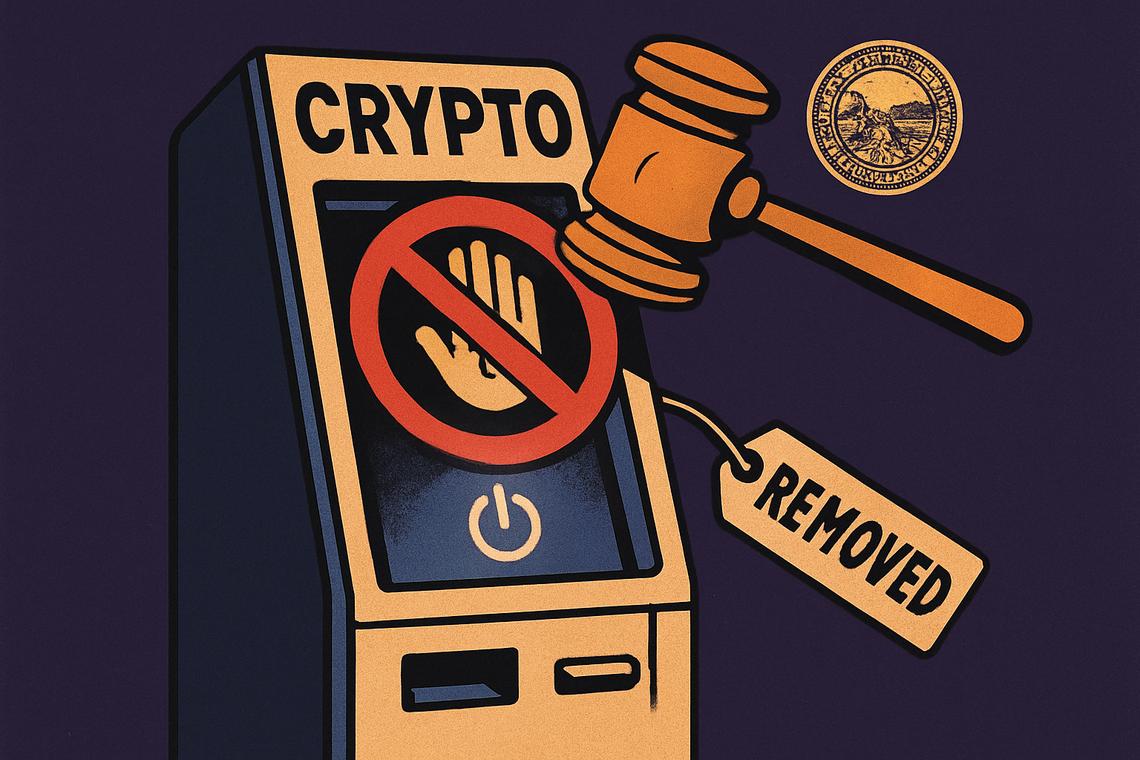
Texans lost roughly $57 million to crypto kiosk scams in 2025, and state lawmakers have seen enough. Rather than simply slapping new rules on the machines, at least one committee chair is pushing to ban them outright, joining a growing coalition of states that have decided the risk to consumers outweighs the convenience.
The fraud problem behind the machines
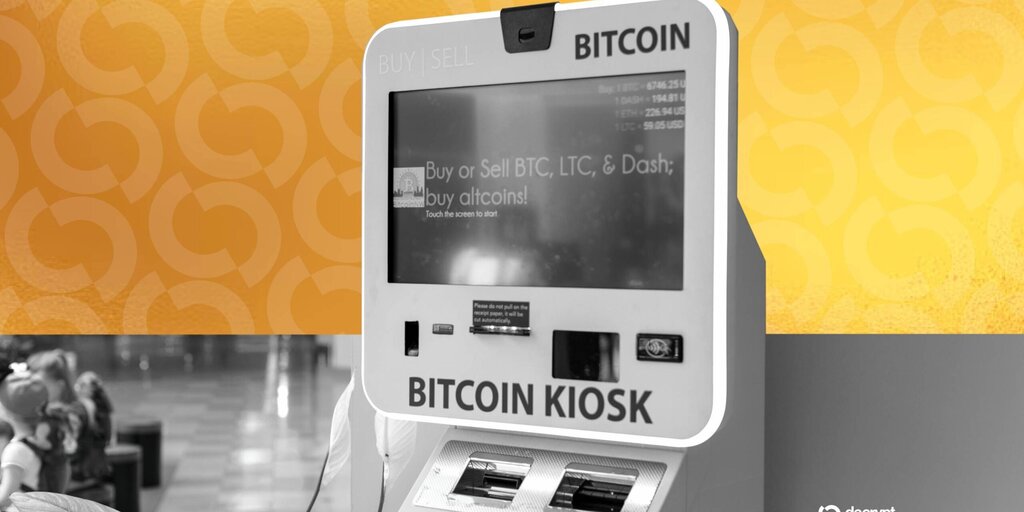
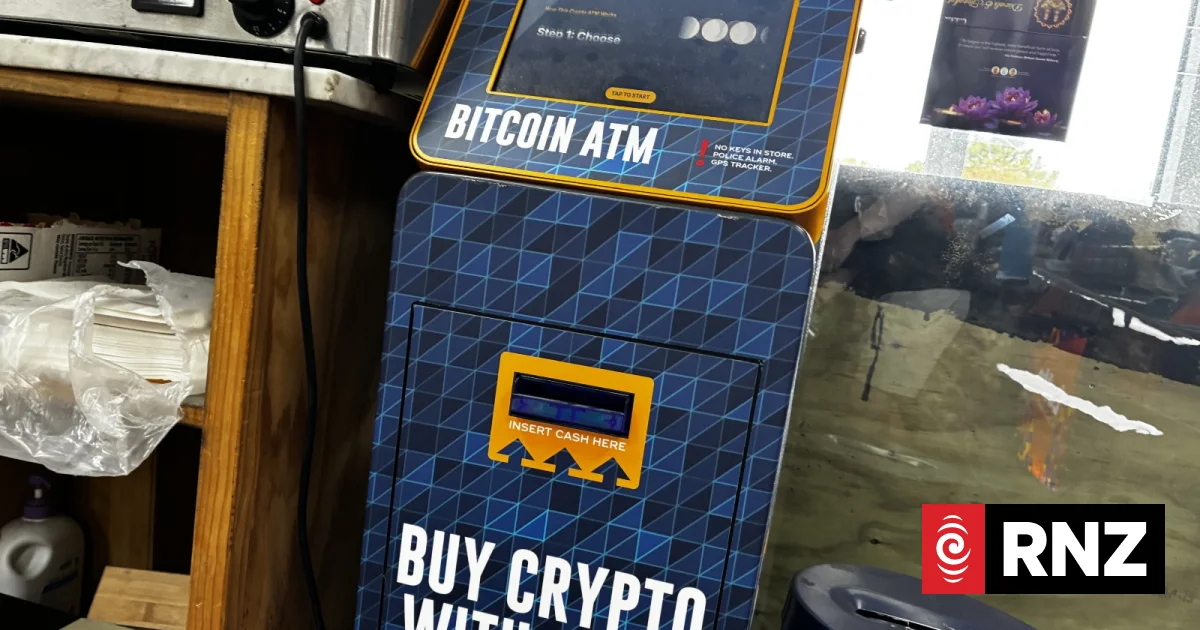
Crypto kiosks work a lot like regular ATMs, except instead of withdrawing cash from your bank account, you feed cash into the machine and receive cryptocurrency in return. In practice, they’ve become a favorite tool for scammers.
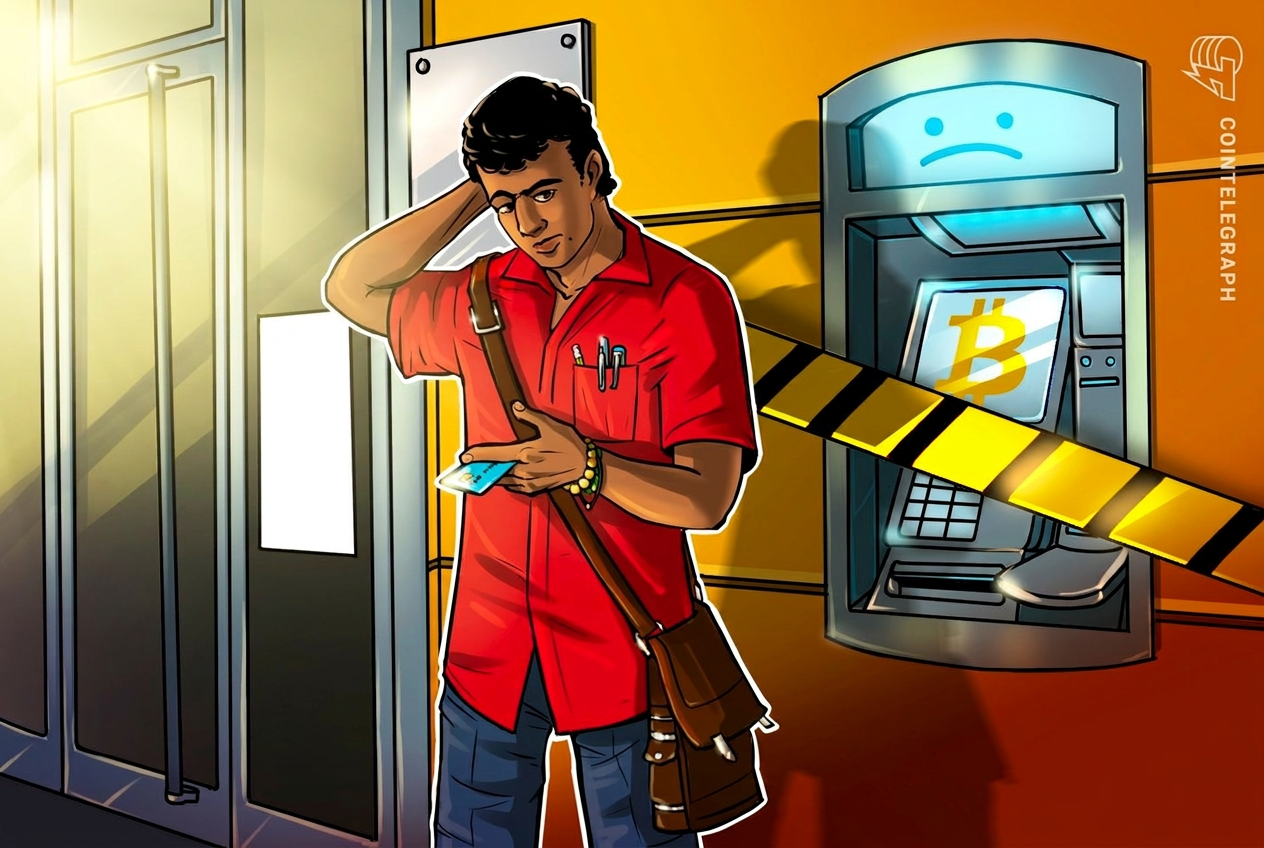
Here’s how the scam typically works. A fraudster contacts a victim, often an elderly person, with an urgent story: unpaid taxes, a warrant, a compromised bank account. The victim is instructed to withdraw cash and deposit it into a crypto kiosk, sending the funds to a wallet controlled by the scammer. Once the crypto leaves the machine, it’s essentially gone forever.
The $56.8 to $57 million in losses reported in Texas alone underscores just how effective these schemes have become. And that figure likely understates the problem, since many victims never report the crime out of embarrassment or confusion about what happened.