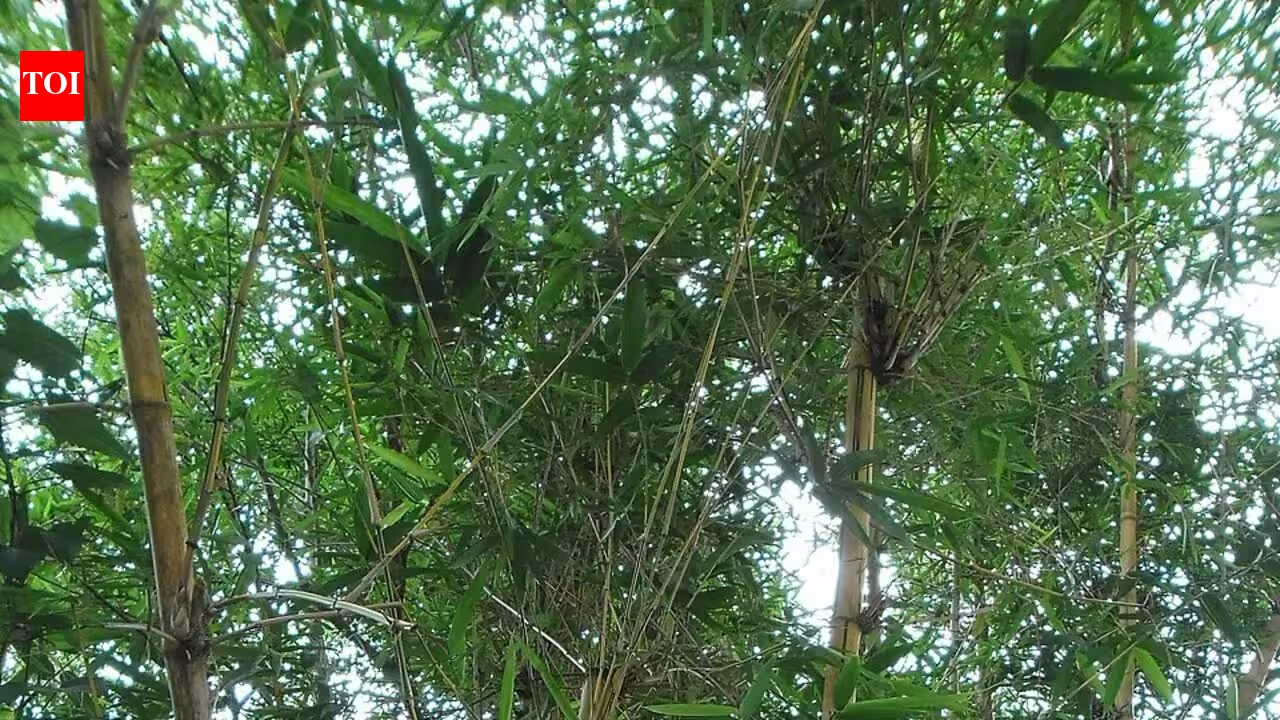
Make sure you keep the plant under control or it can cause some serious damage11:40, 31 Jul 2026With its tall, slender stalks and speedy growth, bamboo is increasingly winning over gardeners. This striking plant provides superb screening, and its height makes it an excellent substitute for conventional fencing.Yet without proper management, this vigorous plant can become a homeowner's worst nightmare. It's been known to lift paving slabs, wreck driveways and even cause damage to water and sewage pipes thanks to its remarkably powerful rhizomes.Rhizomes are the underground sections of the stems. These aren't roots but adapted underground stems that behave like roots and spread horizontally through the earth.Certain varieties of bamboo are 'clumping', meaning their rhizomes develop nearer to the parent plant. Other species are described as 'running', which means their rhizomes extend far and wide below ground — and these are the ones that can wreak havoc on property.They're powerful enough to force their way through soil, split paving and even penetrate vulnerable areas in building foundations.Throughout the growing season, bamboo can shoot up inches or even feet each day, and this explosive growth means that even a modest clump can rapidly develop into a thick jungle that shuts out light and chokes neighbouring plants.The dense root system of bamboo can soak up water and nutrients from the soil, starving everything else, while the thick canopy of foliage begins to shut out sunlight.The RHS said: "Bamboos are useful garden plants, providing attractive evergreen screening and colourful stems. However, given favourable growing conditions, some will spread quickly, with strong, fast-growing stems shooting up some distance from the parent plant."It added: "There have been cases where bamboos have caused damage to hard surfaces, such as paving and tarmac, and spread into and damaged buildings."Bamboo rhizomes are incredibly strong, and while they can’t puncture or lift solid ground or sound foundations, they can potentially grow into gaps or cracks in walls, floors and drains as they search for new ground to colonise. If you are concerned about damage to a building or structure, it may be worth having it professionally surveyed."Nevertheless, bamboo can still make a stunning addition to your garden — you simply need to understand how to keep it under control.If you've got bamboo that's already beginning to spread beyond its designated area, you'll need to act fast to get rid of it. One method is to dig a trench around the patch once or twice annually and cut through any rhizomes that try to breach it.Alternatively, you can simply cut down any new shoots the instant you notice them emerging outside the intended zone.Article continues belowThis will progressively weaken the plant over time. Getting rid of bamboo entirely can be a massive undertaking — it's even more invasive than Japanese knotweed.You'll need to cut down all of the shoots and dig up as many rhizomes as you can. This process will have to be repeated over several months or potentially years to finally starve the plant. Particularly large or persistent infestations may require you to bring in professional help.
Gardeners warned common plant can lift slabs, crush pipes and wreck driveways
Make sure you keep the plant under control or it can cause some serious damage
510 words~2 min read