How AI Is Transforming Software Development Workflows in 2026
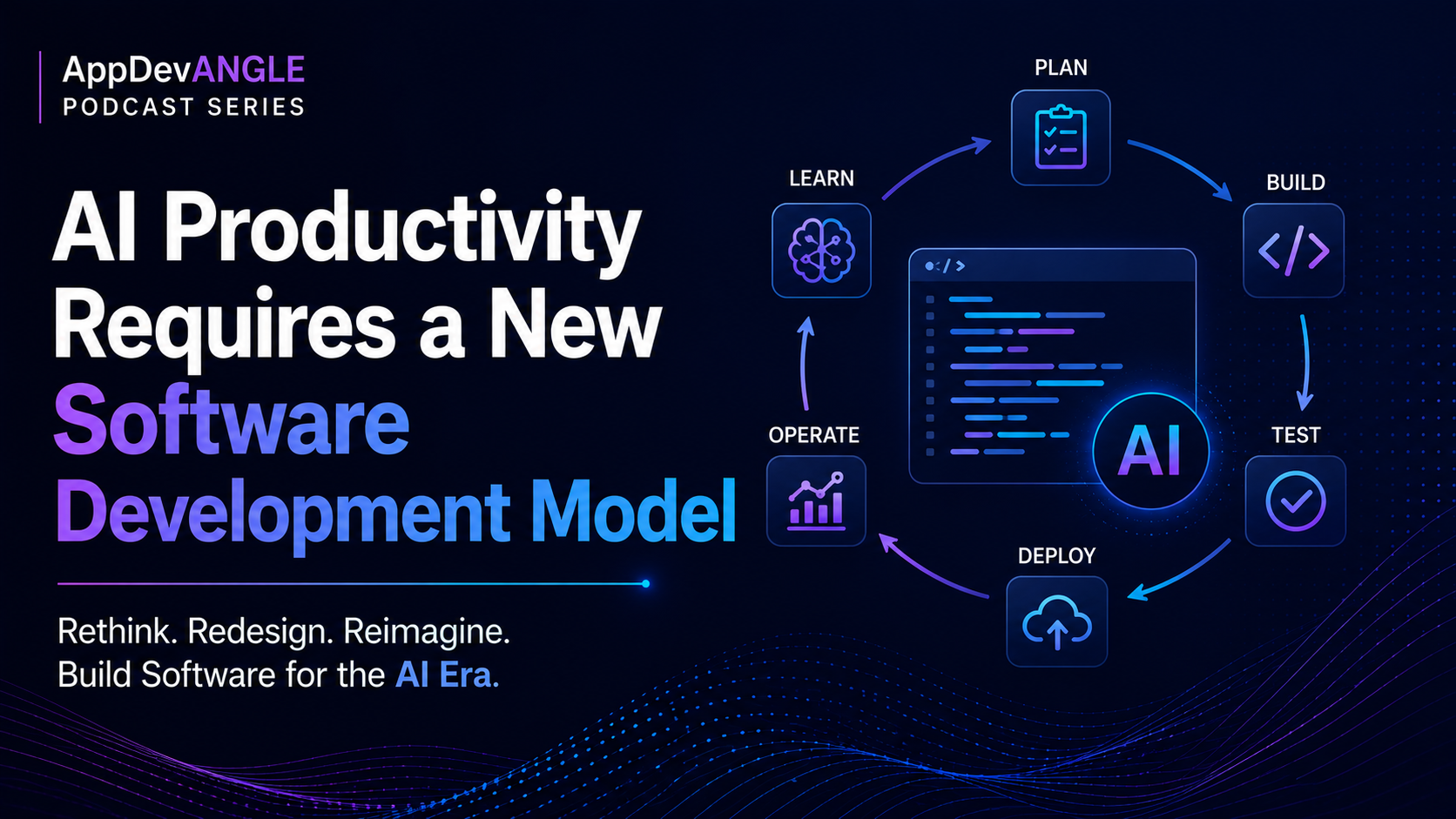
By 2026, the question is no longer whether AI is useful in software development, but how deeply it has been woven into the everyday fabric of engineering. We've moved past the era of simple suggestion widgets and autocomplete. The modern developer workspace is a human–AI hybrid environment where autonomous agents handle entire subtasks, review code with sophisticated reasoning, and even manage infrastructure—leaving humans to focus on architecting solutions and making product-level decisions.
This article explores the key ways AI is reshaping software development workflows in 2026, from pair programming to production monitoring, and what that means for developers, teams, and the entire delivery pipeline.
The Shift from Copilots to Autonomous Agents
In 2024, AI assistants were largely reactive: you wrote a function, and the tool suggested the next line. By 2026, the paradigm has shifted to proactive autonomous agents. These agents are context-aware, connected to your repository, issue tracker, and CI system. They don't wait for a prompt—they analyze your branch, understand the epic you're working on, and start implementing subtasks on their own.