AI-Driven Development: Transforming Software Workflows in 2026
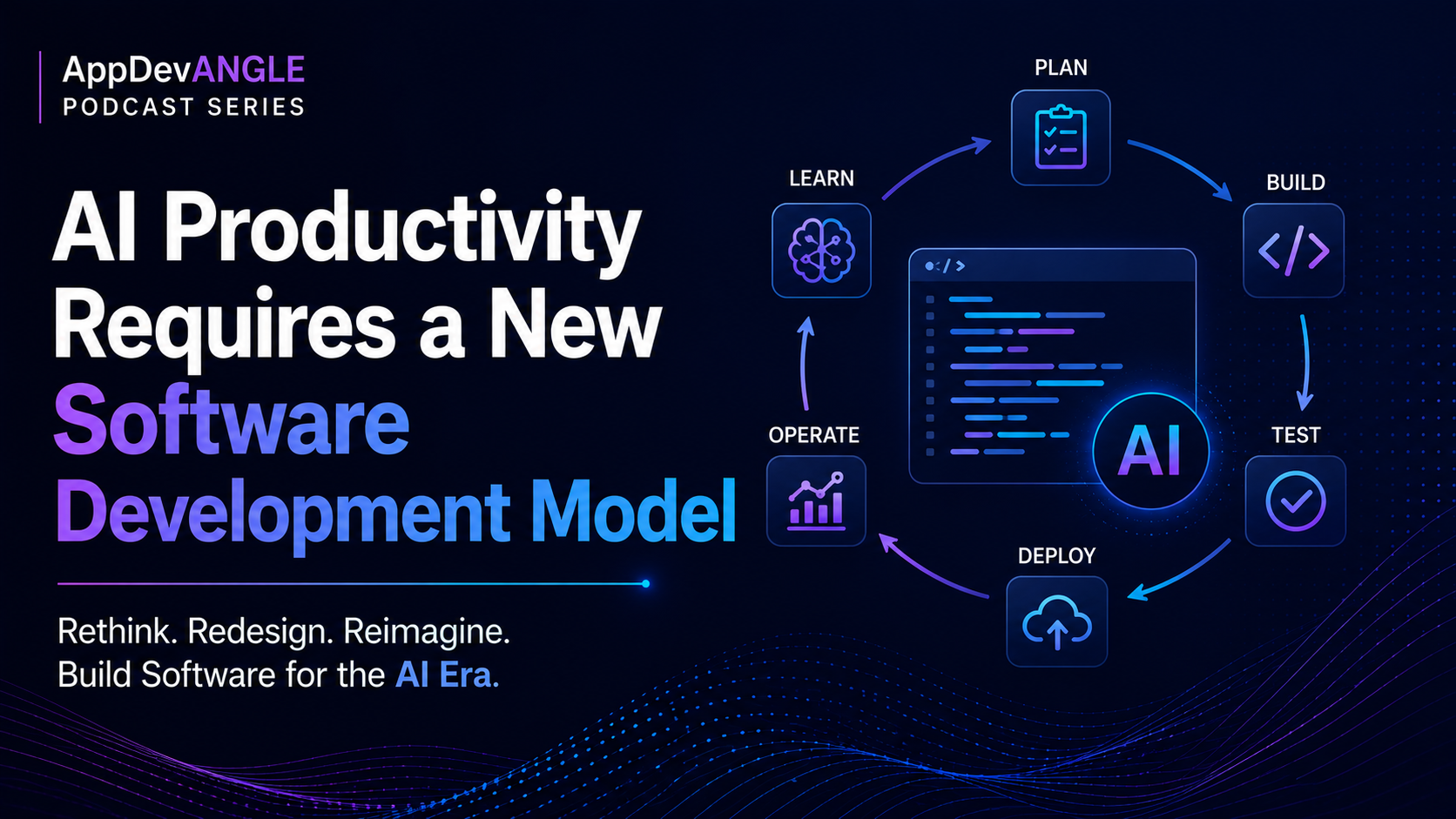
In 2026, the software development landscape has undergone a seismic shift. Artificial intelligence is no longer a peripheral tool for auto-completing lines of code; it has become the central nervous system of the development process. From ideation to deployment, AI agents, large language models, and machine learning pipelines are embedded into every stage of the workflow, enabling developers to focus on architecture and creativity while automating the mundane. This article explores the key transformations in software development workflows driven by AI in 2026.
1. AI-Native Development Environments
The integrated development environment (IDE) of 2026 is fundamentally different from its predecessors. Environments like Copilot X, Cursor, and JetBrains AI have evolved into "development agents" that understand the entire codebase, project context, and even business requirements. They anticipate the developer's intent and proactively suggest not just code snippets but entire functions, refactoring strategies, and architectural improvements.
# Example: AI suggests a complete function based on a comment and type hints