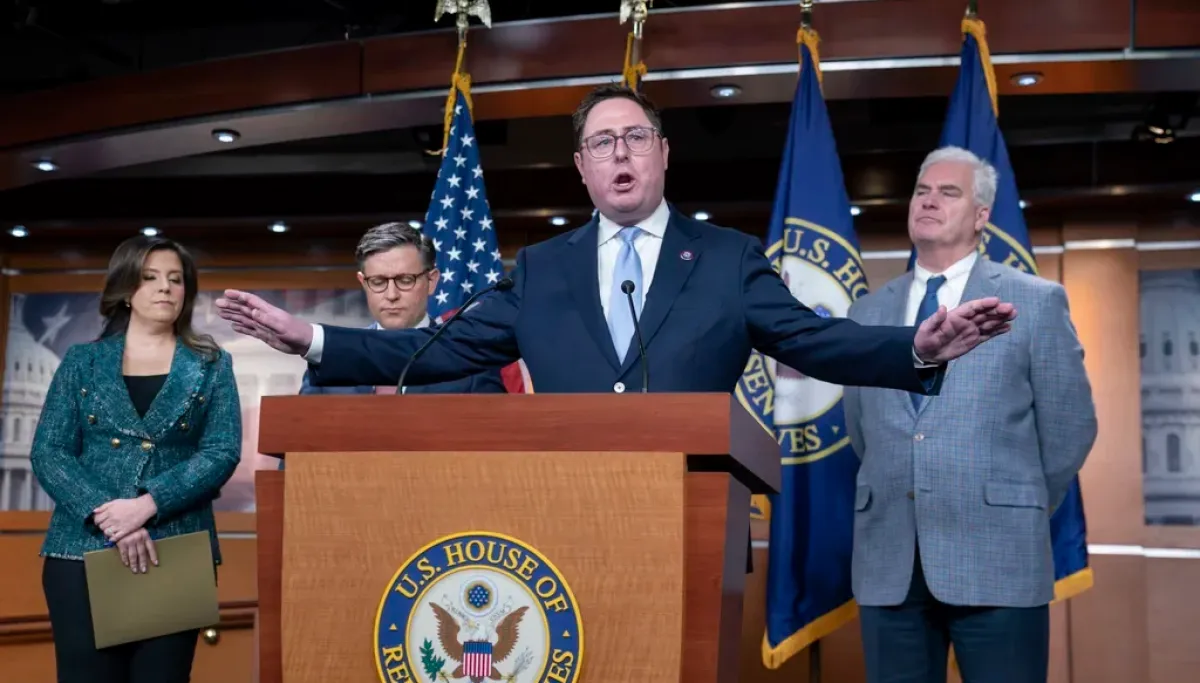
EXCLUSIVE — The top housing Republican said there is more work that can still be done after Congress passed the most significant bipartisan housing legislation in decades.The Washington Examiner spoke with Rep. Mike Flood (R-NE), the chairman of the Financial Services Committee‘s housing subcommittee, this week and discussed his next steps after the landmark housing bill became law.
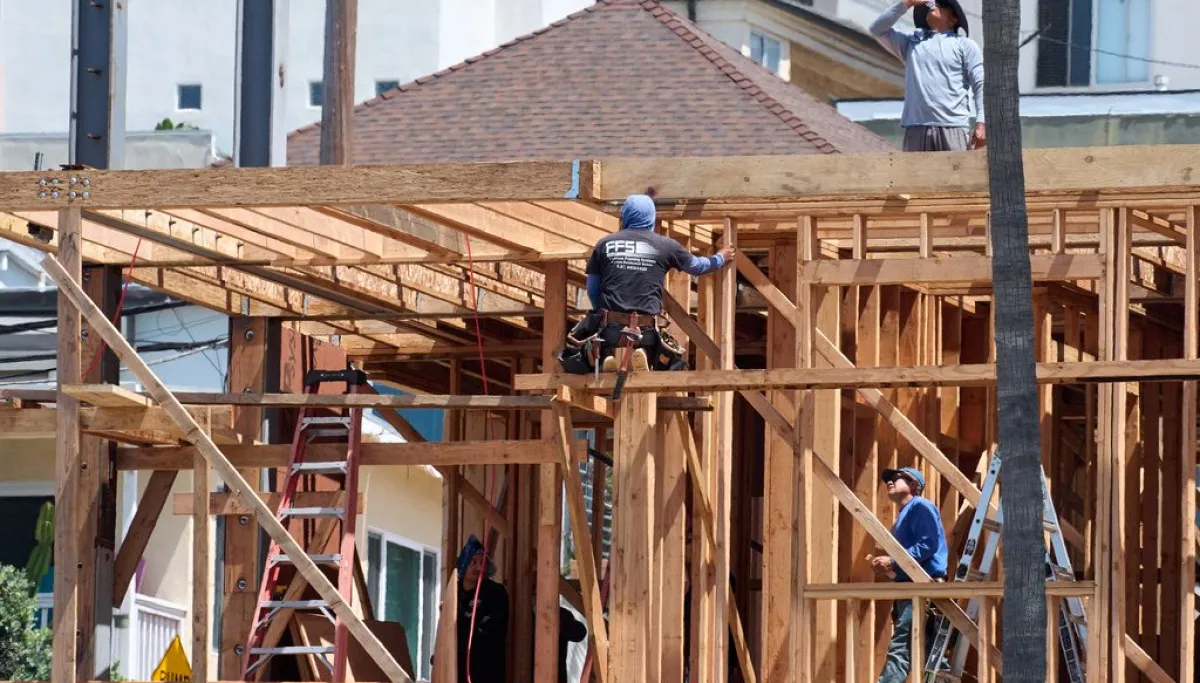
Flood, hot off a town hall in his district where he said he heard positive feedback on the housing legislation, noted that there are other housing-related priorities on his agenda, including loosening restrictions on the Federal Home Loan Banks, changes to “Build America, Buy America” requirements, and the use of artificial intelligence in underwriting for mortgages.The bipartisan housing legislation, the 21st Century ROAD to Housing Act, became law this month without President Donald Trump’s signature. Instead, he allowed a 10-day window to run its course without signing or vetoing the bipartisan bill, which under the Constitution means it is enacted by default.The bill was overwhelmingly bipartisan. The House voted 358-32 to pass it, and the Senate voted 85-5 to do the same.The legislation streamlines environmental reviews to speed up affordable housing development and makes it cheaper and easier to build manufactured homes. In addition to easing federal regulations, the bill also encourages states and cities to reform their land use rules, which would mark a significant change in the federalist system with respect to city planning.But with the housing bill in the rearview mirror, Flood said other housing priorities remain.For instance, the Nebraska congressman said one of his top priorities is reforms to Build America, Buy America, also known as BABA. Flood said he wished more would have been done with BABA in the 21st Century ROAD to Housing Act.“That’s one thing we didn’t make enough progress on in the housing bill,” Flood said.BABA was implemented as part of the bipartisan 2021 Infrastructure Investment and Jobs Act and requires steel, iron, manufactured products, and construction materials for federally assisted infrastructure projects to be produced in the United States. While the measure is designed to help domestic production, it has created regulatory barriers to building more affordable housing.In June, Flood and Rep. Maggie Goodlander (D-NH) introduced the bipartisan Build Housing Affordably Act. The bill would mandate the Department of Housing and Urban Development to study the effects of BABA on affordable housing development and the BABA waiver process.It would also stop implementation of BABA for covered affordable housing projects until 60 days after that HUD report is delivered to Congress, and institute a 90-day timeline for reviewing BABA waivers for affordable housing projects.Flood said another topic of interest is loosening restrictions on the Federal Home Loan Banks, the network of 11 federally chartered institutions that provide funding to mortgage lenders. He said that right now, by law, they are required to invest 10% of their earnings into affordable housing. He noted that they voluntarily said they would go to 15%.“A lot of the rules that they live under are similar to the ones that we relaxed in the bill that just passed, so the Federal Home Loan Banks getting more flexibility, I think, would deliver more resources into communities wanting affordable housing,” Flood said. “That’s something I’m looking at.”Additionally, Flood said he wants to encourage the use of AI in underwriting for home mortgages.The congressman pointed out that a lot of people don’t have credit because they don’t own credit cards or a FICO score that they can be lent money on. But, he said, AI could be used to go into those people’s bank accounts and show that they make timely payments on their rent, their utilities, and their cellphones.“And they aren’t a credit risk, and you have to get away from the normal FICO-driven credit score world to do that,” Flood explained. “And I’ve had a lot of lenders, mortgage bankers, come in and say they support some of that, and a lot of that could be done at the FHFA level, but that’s something else that needs to be done.”Looking back at the 21st Century ROAD to Housing Act