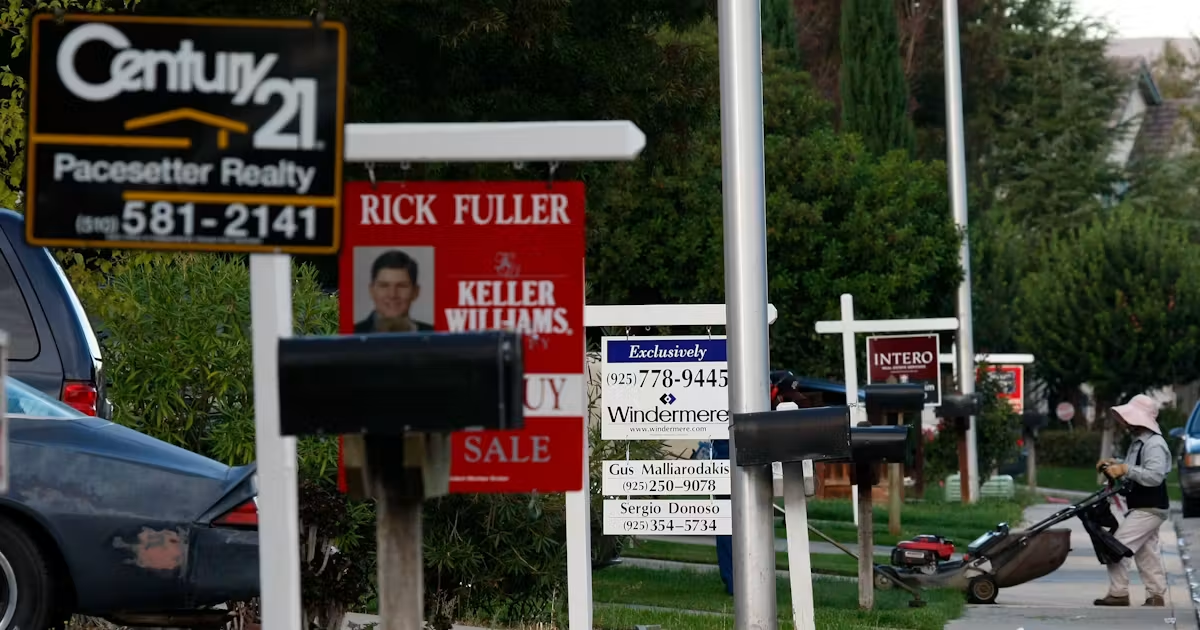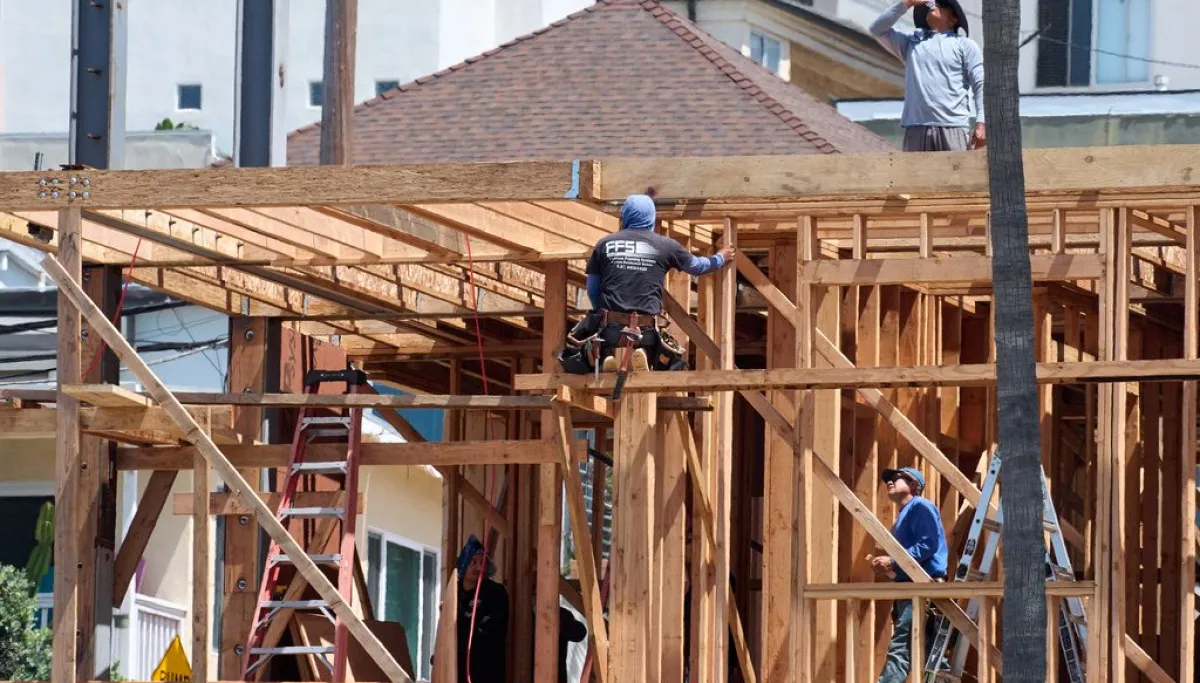
President Donald Trump’s refusal to sign the 21st Century Road to Housing Act, which proponents argued would help with the nation’s lingering housing affordability crisis, surprised a lot of people. Like a solar eclipse or a blue lobster, the bill represented a rare instance where many prominent GOP lawmakers strongly supported a bill with unanimous Democrat support, a red flag for conservatives and those wary of industry capture, but a sign of bipartisanship for others.As stunning as this development was, it could provide a useful opportunity for reflection. While Congress deserves credit for attempting to tackle the issue of housing, the bill largely misses the mark because it fails to tackle the key structural distortions that make housing unaffordable.Let’s start with the good. The legislation contains some provisions that point in the right direction, including several housing policy recommendations from The Heritage Foundation’s recent key paper on strengthening American families. This includes streamlining onerous environmental review requirements for Housing and Urban Development-assisted housing activities, as well as expanding and reclassifying activities into exempt or categorical exclusion categories to shorten review timelines and reduce red tape.
Housing bill is a good start, but much work remains
The bipartisan housing bill has some good spots, but fails to sufficiently address the issues of overregulation, subsidies, and immigration.
807 words~4 min read