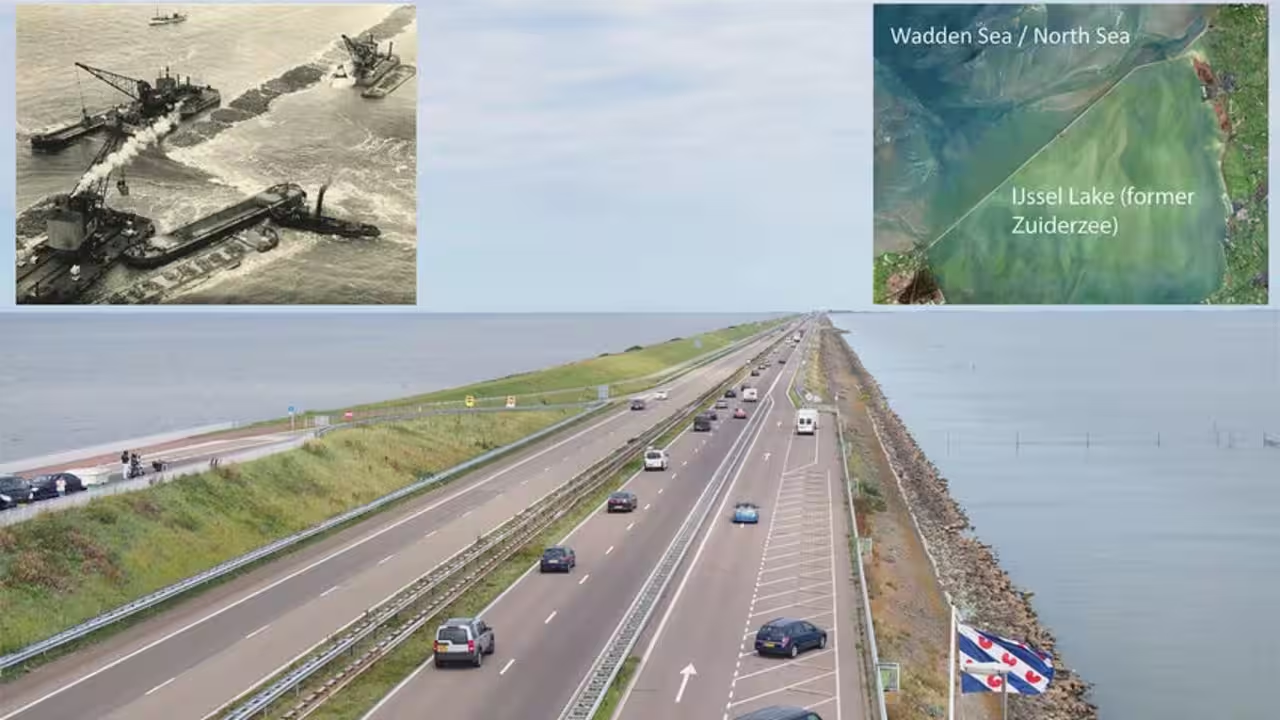
Halfway along the Afsluitdijk, the 20-mile dam that has separated the salty Wadden Sea from the freshwater IJsselmeer since 1932, sits a small blue building that most drivers passing over the dam never notice.
Since November 26, 2014, when King Willem-Alexander switched it on, this building has housed the world's first reverse electrodialysis power plant, a facility that generates electricity purely from the natural process of salt water and fresh water mixing.
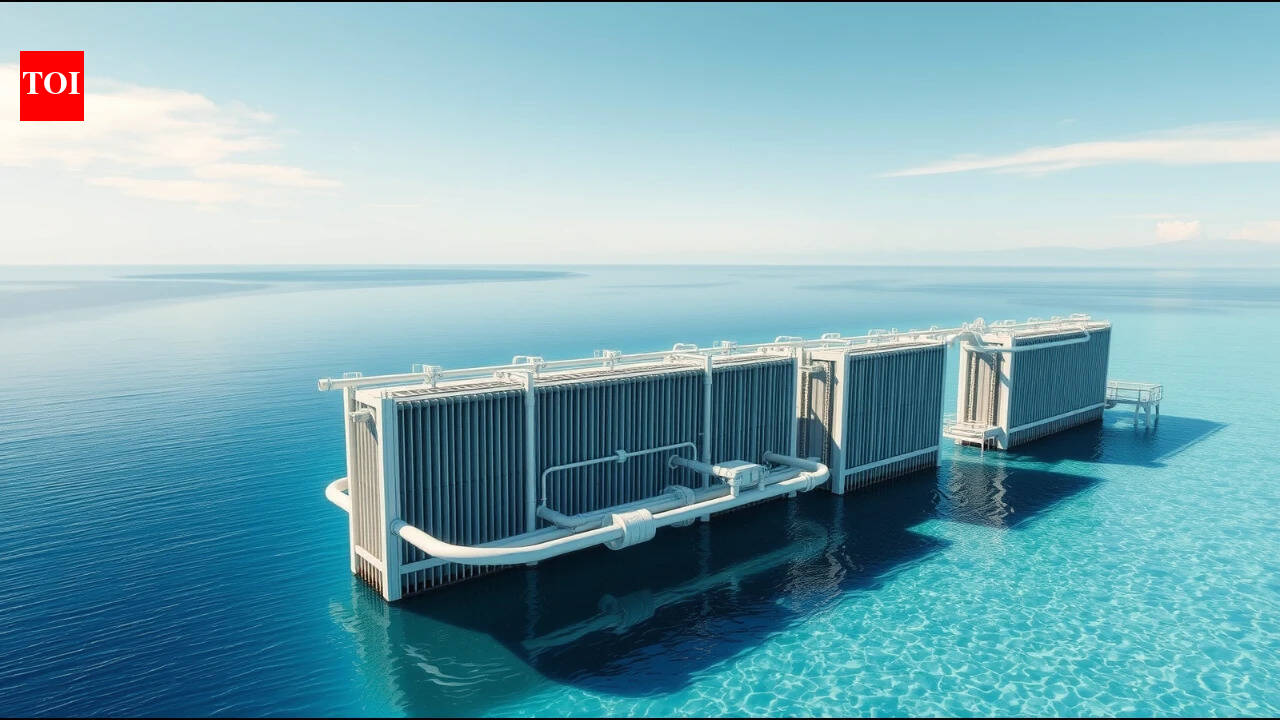
More than a decade later, the plant has produced something more valuable than steady power output: a detailed, published record of exactly how difficult it is to scale this kind of clean energy technology up from a laboratory concept to something resembling a real power source.How reverse electrodialysis actually generates electricityUnlike an earlier Norwegian osmotic power plant that used water pressure to spin a turbine, the Dutch facility at Breezanddijk works differently.
Stacks of alternating membranes allow sodium ions to drift toward one electrode while chloride ions move toward the other, and the resulting electrical current is collected directly from the electrodes rather than through any mechanical turbine.
This made it the first reverse electrodialysis plant of its kind anywhere in the world, built using membranes supplied by Fujifilm and developed with research support from Wetsus, a water technology research centre based in Leeuwarden.