Ashley Green-Thompson Ashley Green-Thompson
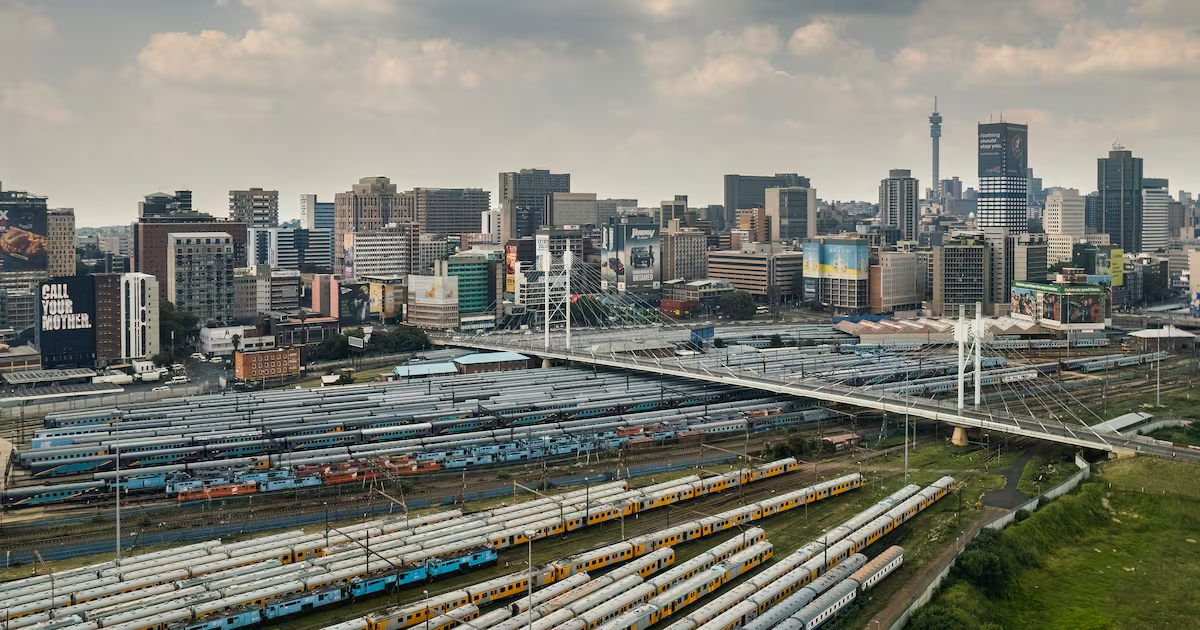
This past week my beloved and I joined tens of thousands of Johannesburg residents on a public walk through the streets of our city. We walked in places we would not ordinarily be found in, and experienced the streets used by taxis and buses ferrying commuters from the outlying townships into Gandhi Square and other taxi ranks dotted around the city.
Joburg’s destiny was sealed in February 1886 when George Harrison, not the Beatle but an Australian prospector working as a builder, stumbled upon a rock containing gold on a farm called Langlaagte. This kickstarted the exploitation of the largest gold field in the world (to date, anyway) and led to the growth of Johannesburg. I was disappointed to discover that it likely owes its name to two government officials of the time – they were called Johannes, with ‘burg’ being Dutch for city, or fort. A very uninspiring backstory.
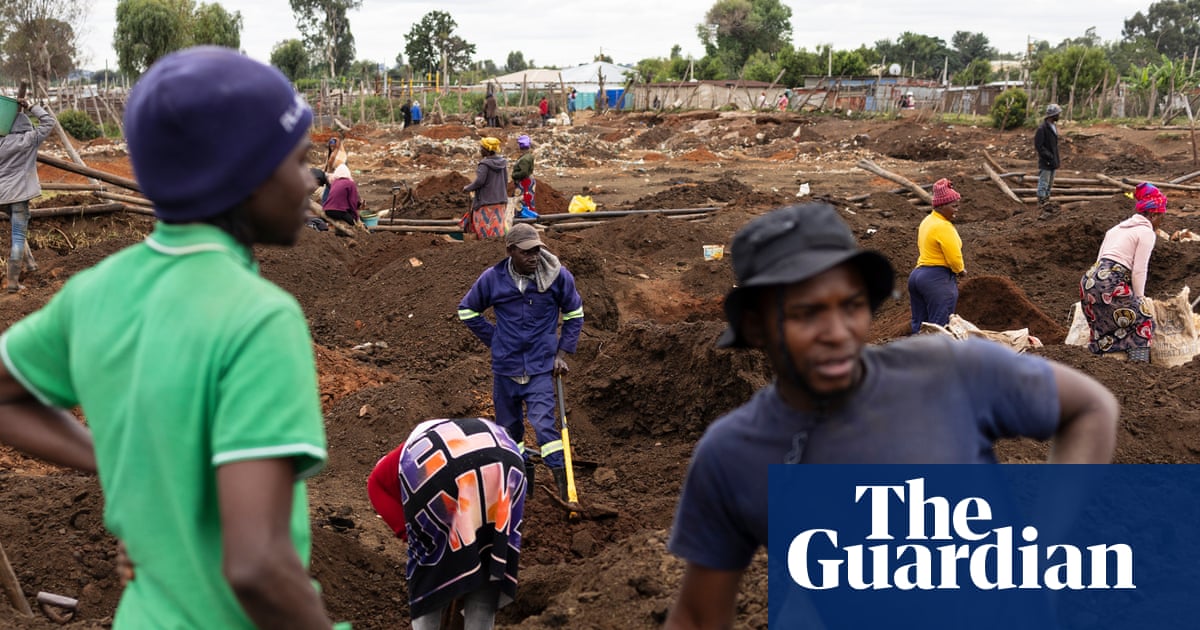
The gold rush saw a massive migration of people seeking their fortune, and labourers from neighbouring Southern African countries would sign up to work in gruelling conditions on the mines. The great Hugh Masekela’s anthem Stimela poignantly captures the journey by train, the conditions these men endured in the mine hostels, and the pain of dislocation from their families and homes. The movement of these and other black people coming from rural South Africa was regulated by pass laws that made sure the core of Joburg remained under the control of white people. These policies would find logical expression in the forced removal of 65 000 black, coloured, Indian and Chinese residents of Sophiatown close to the city centre to the segregated townships of Soweto, Eldorado Park, and Lenasia on the margins some distance away. The apartheid government renamed the area ‘Triomf’, the Afrikaans word for triumph.