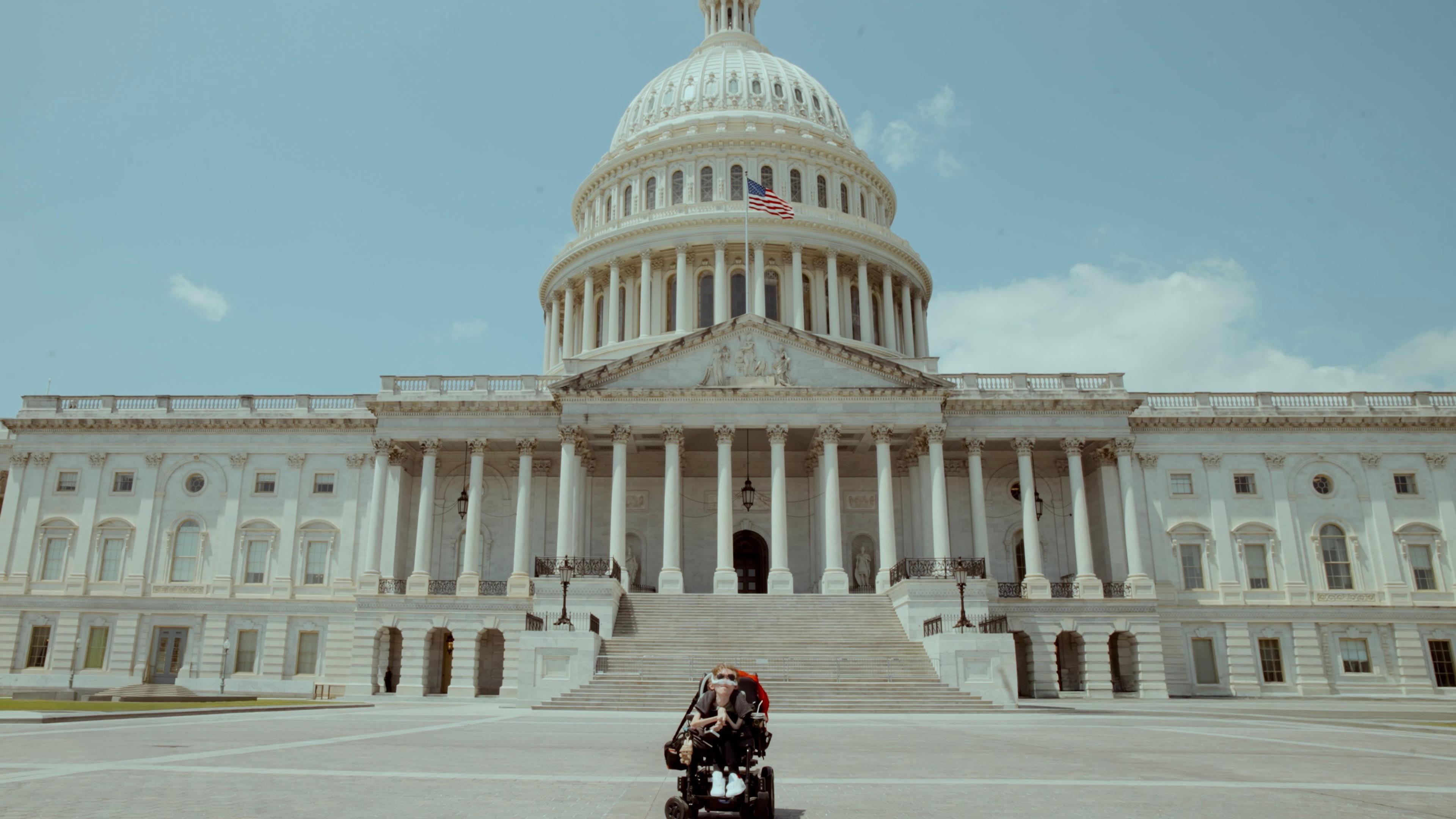
Amanda DeSimone-Shabrack relies on a home healthcare aide to help her high-needs autistic 12-year-old son. Virginia's Medicaid program covers the assistance, enabling her to work as both an education technology specialist and a professor, run errands, and keep Mason in the home.That could change. In June, the Department of Justice issued a legal opinion saying federal disability rights laws don't require states to provide services that allow people with disabilities to remain in their homes rather than institutions.It's a sharp reversal from 1999, when a landmark Supreme Court ruling held that unjustified institutionalization constituted discrimination under the Americans with Disabilities Act. Previous administrations have relied on that ruling to enforce civil rights for disabled people, but the Trump administration says that long-held interpretation is wrong.Advocacy groups say legal protections for about 40 million adults and 5 million children who have disabilities could be undermined, and they worry that the new interpretation may herald a return to forced institutionalization.The stage is also now set for a legal fight between advocates, states, and the federal government. Some states with ongoing lawsuits challenging disability rights requirements are already citing the DOJ opinion in hopes it will help them prevail.In a case in Texas, for example, some Republican-led states are arguing that a rule instituting a 1973 civil rights law that led to community and home integration of people with disabilities is costly and infringes on states' rights.People like DeSimone-Shabrack are especially worried because, they say, the opinion follows a spate of White House and Republican-led initiatives that have already begun eroding hard-won protections for people with disabilities.
People with disabilities fear service cuts as Trump's DOJ questions legal protections
The Department of Justice in June issued a legal opinion saying states aren't required to provide services that help people with disabilities remain in their homes.
1,517 words~7 min read