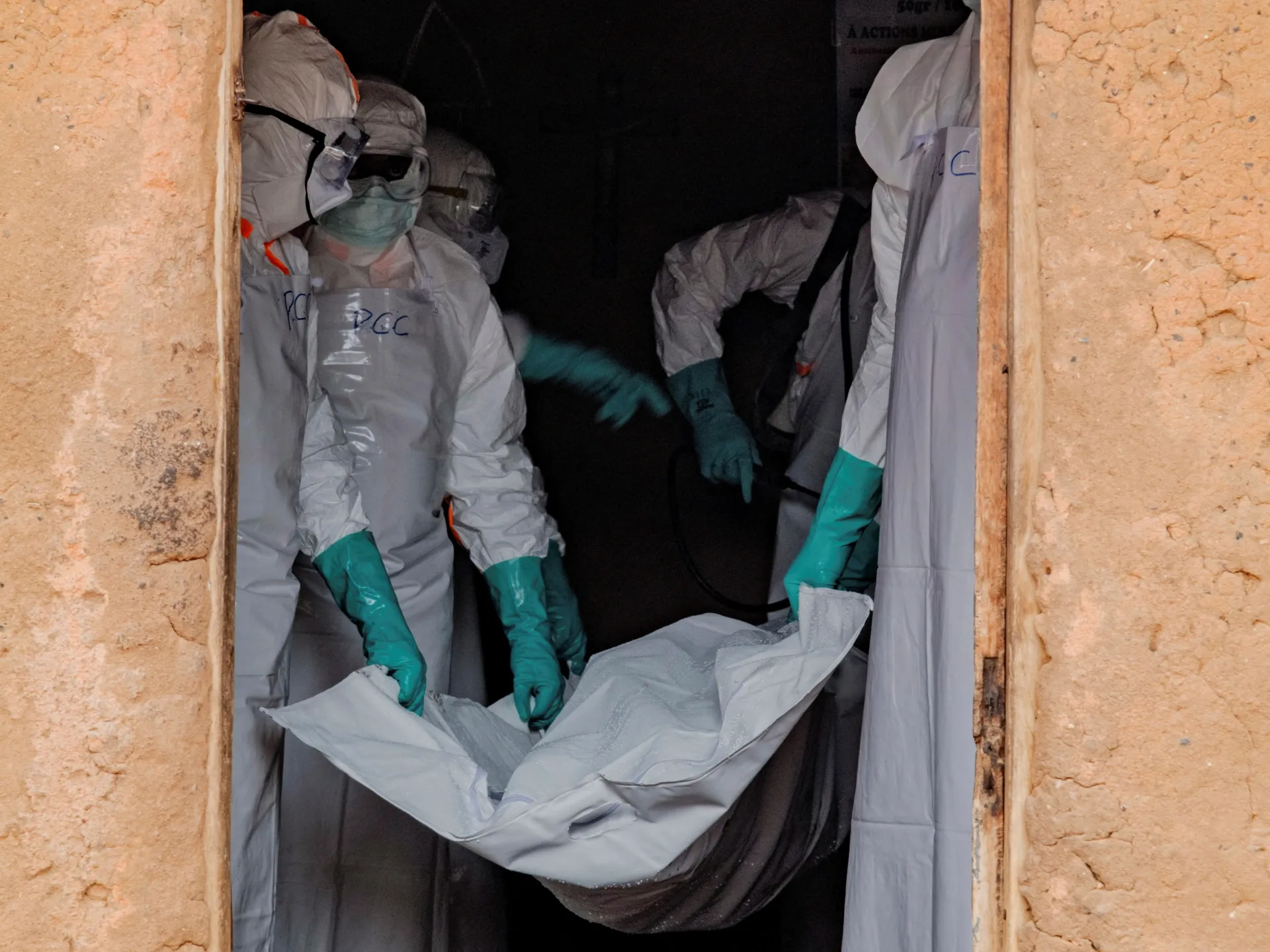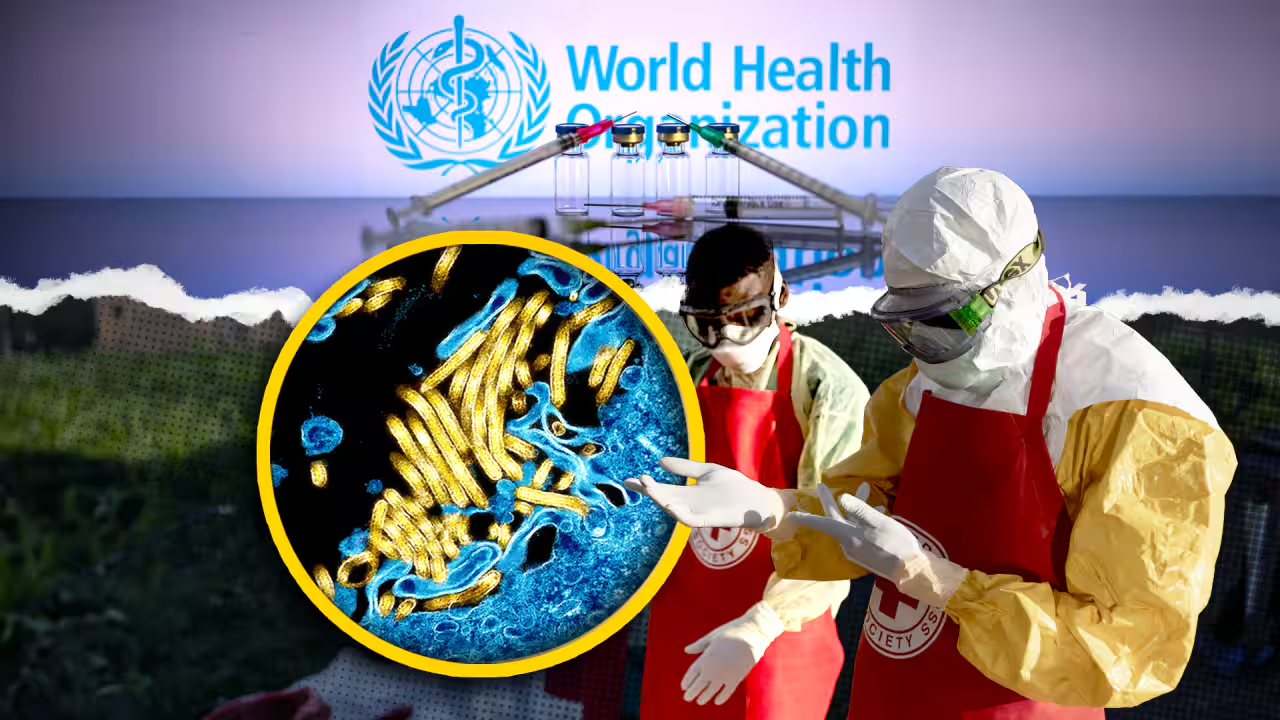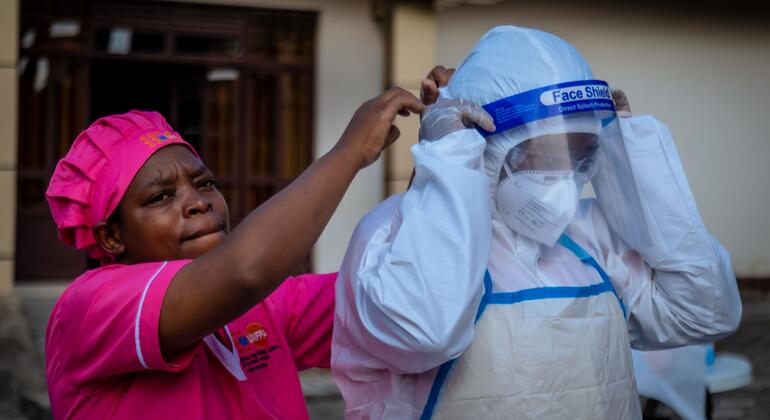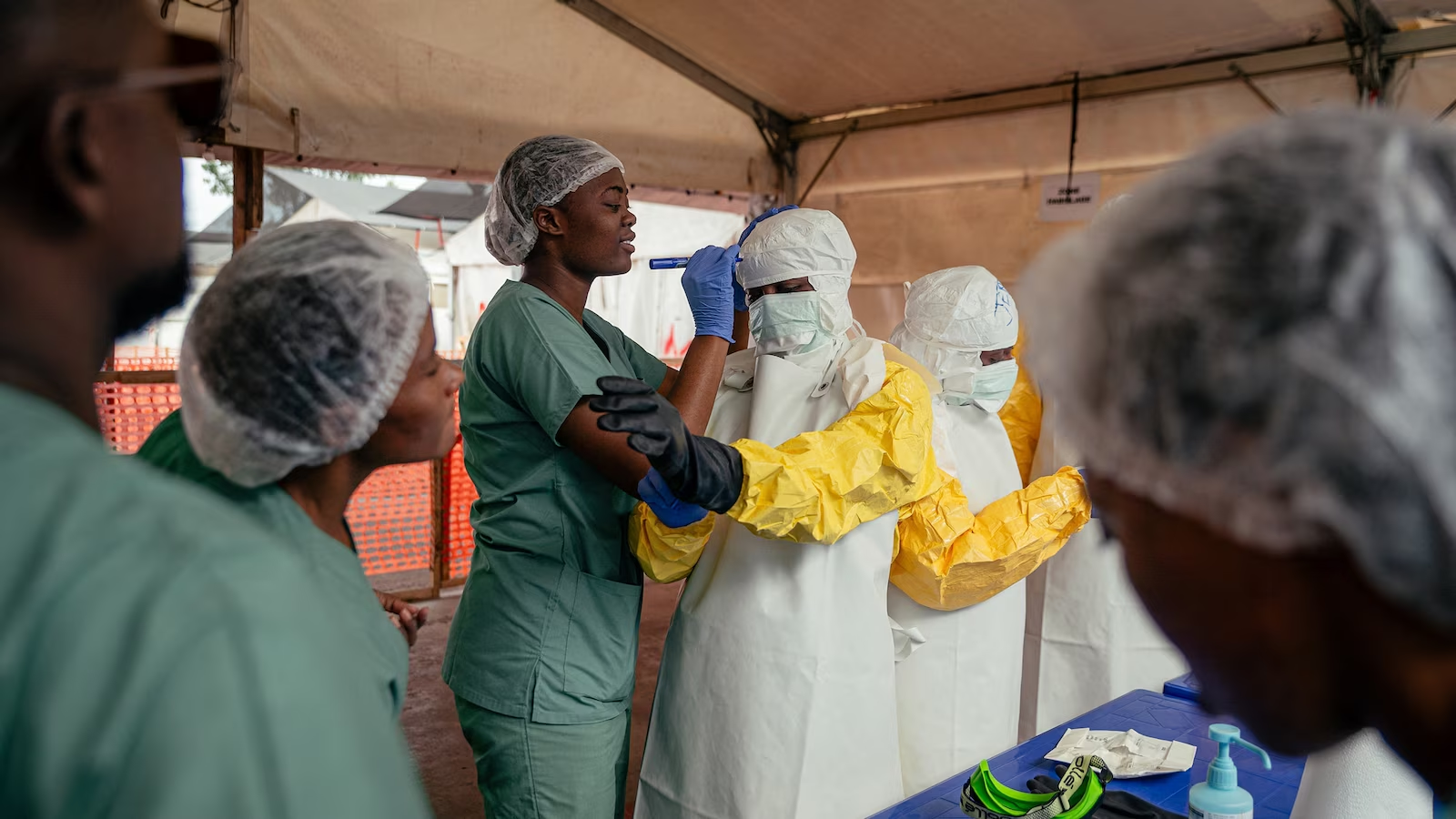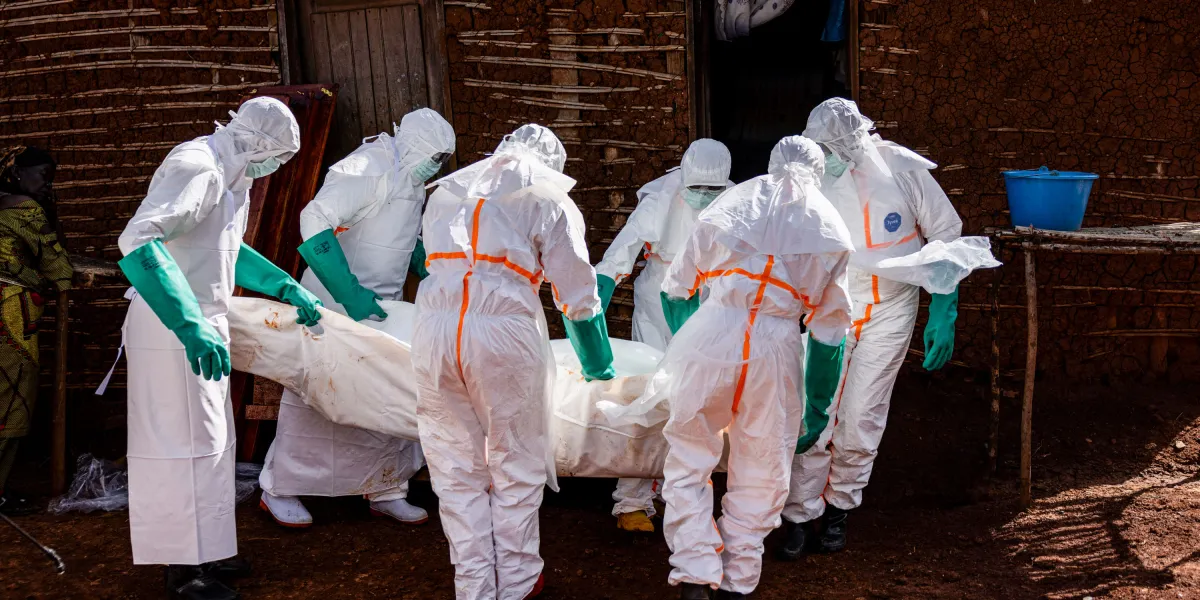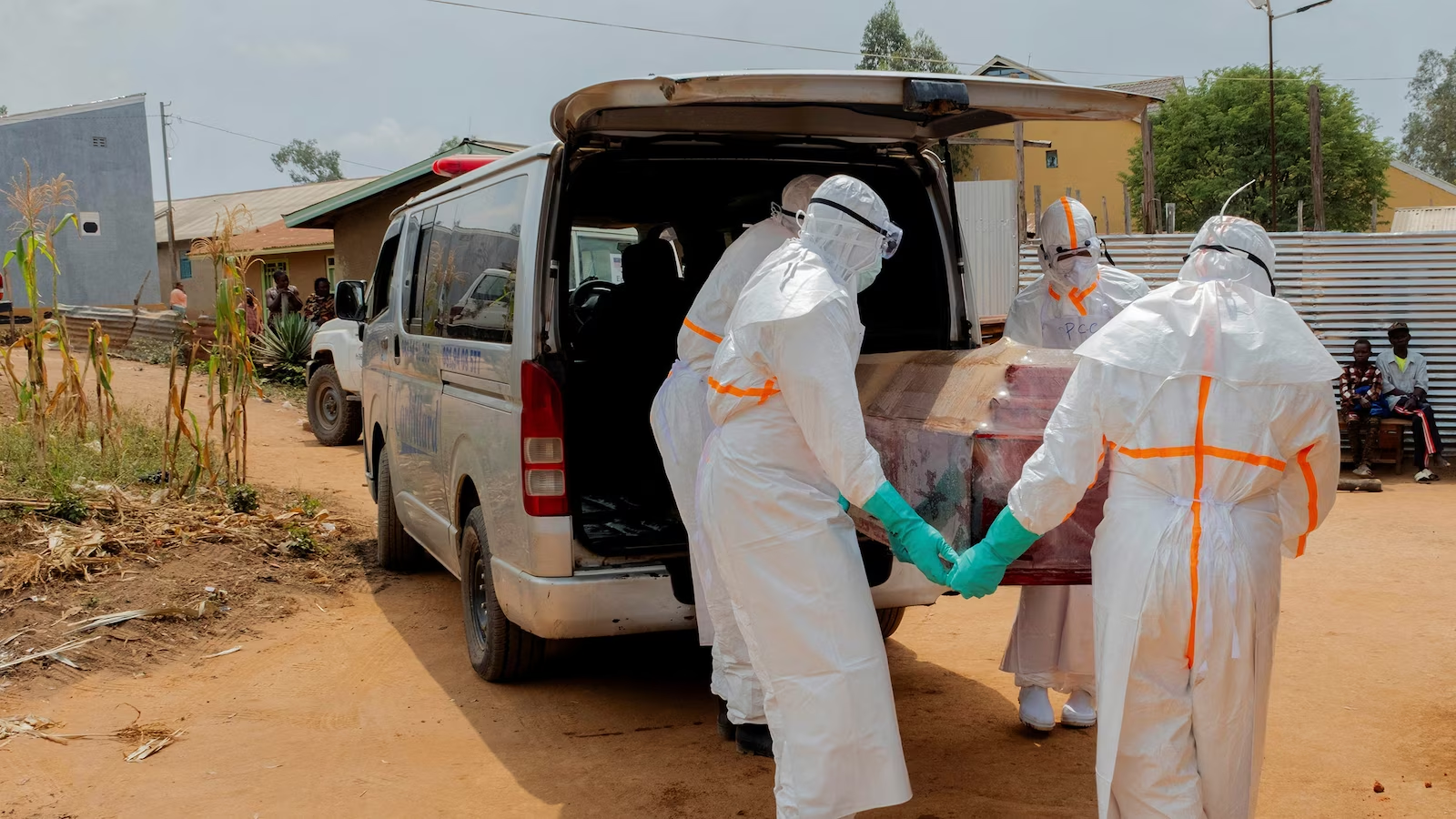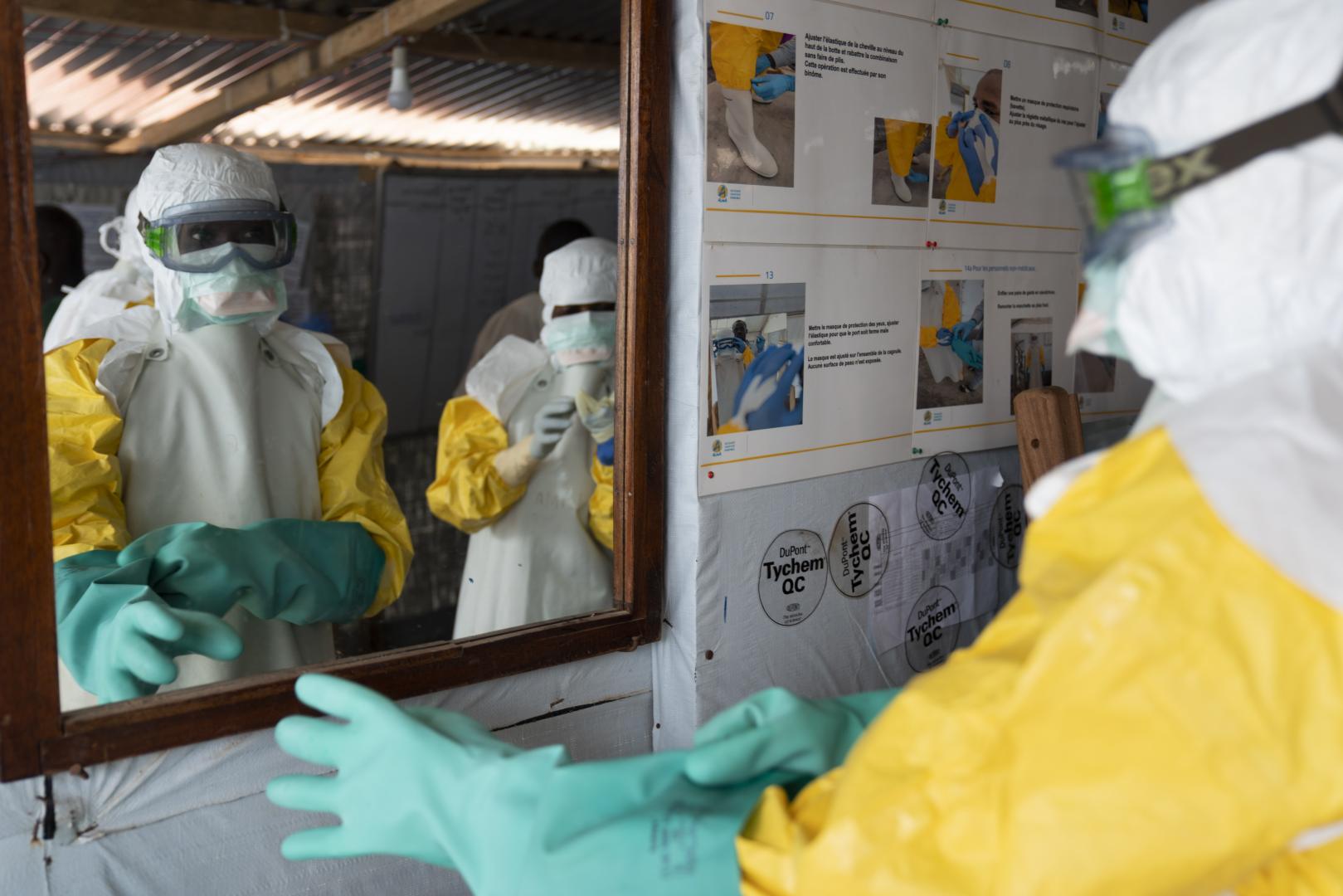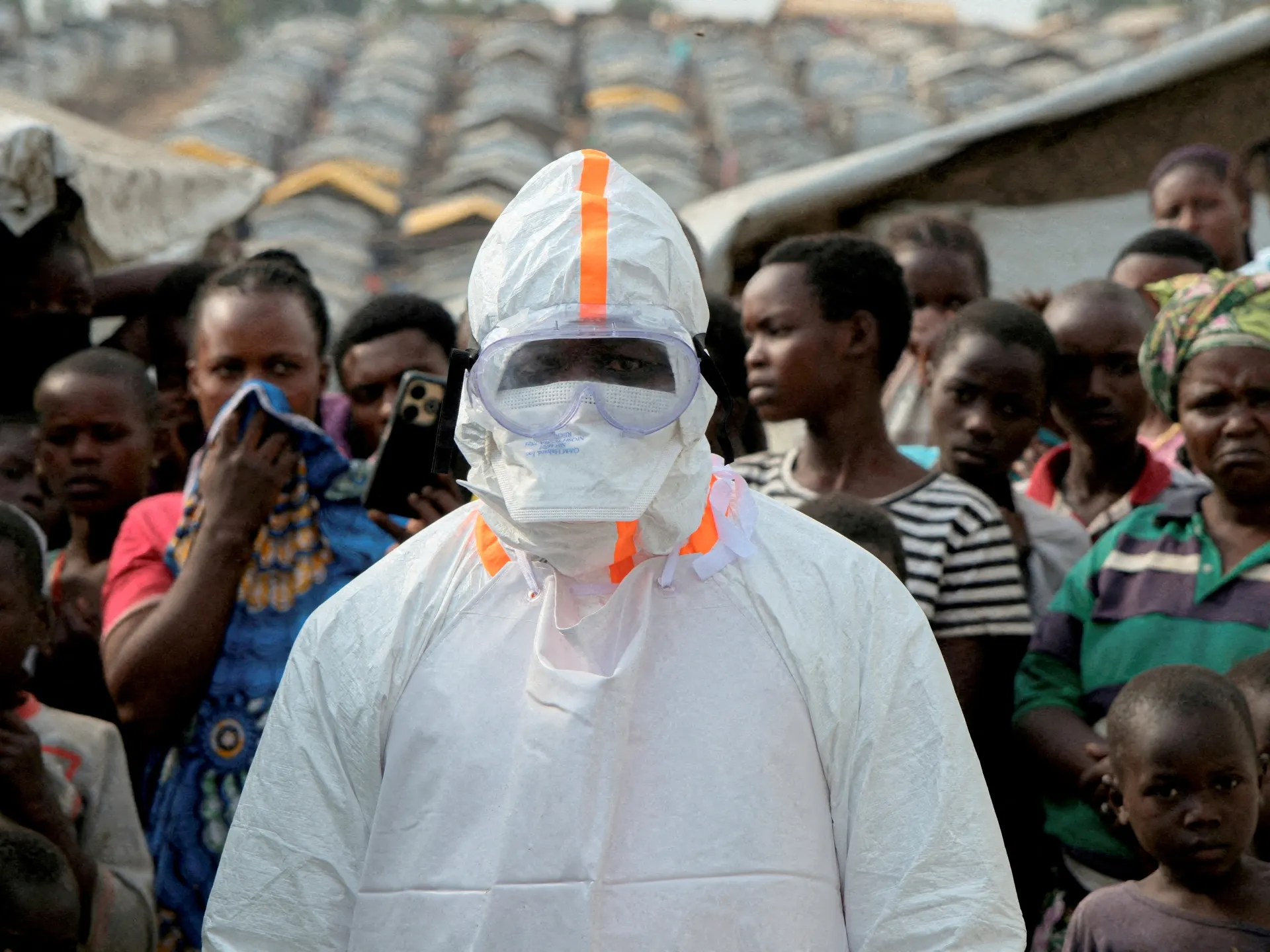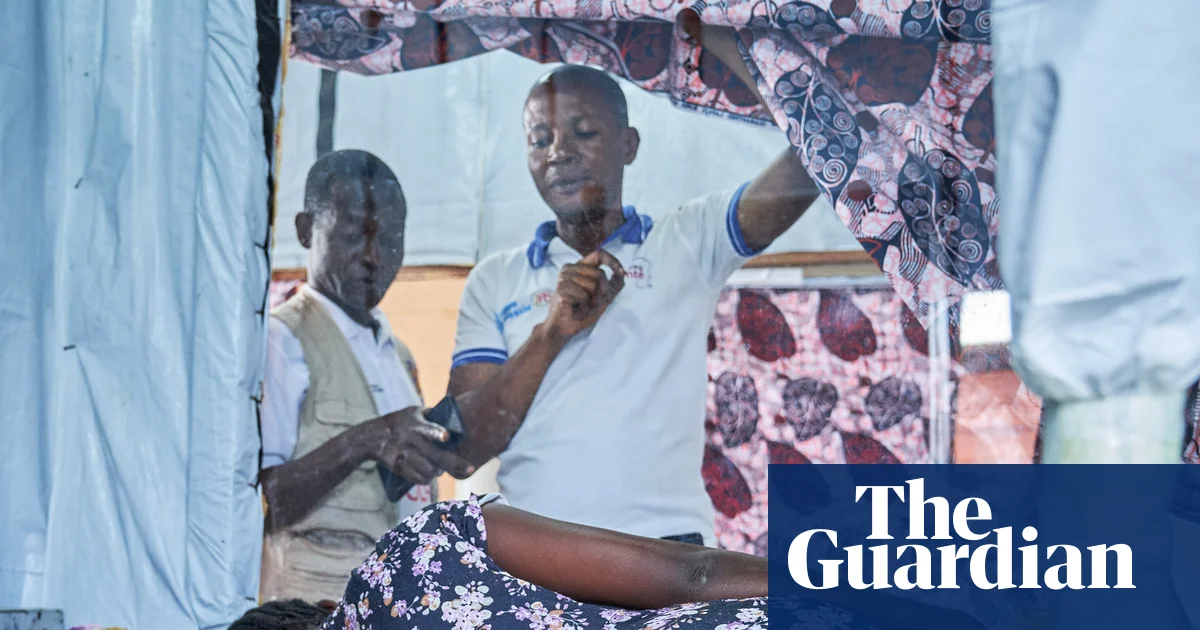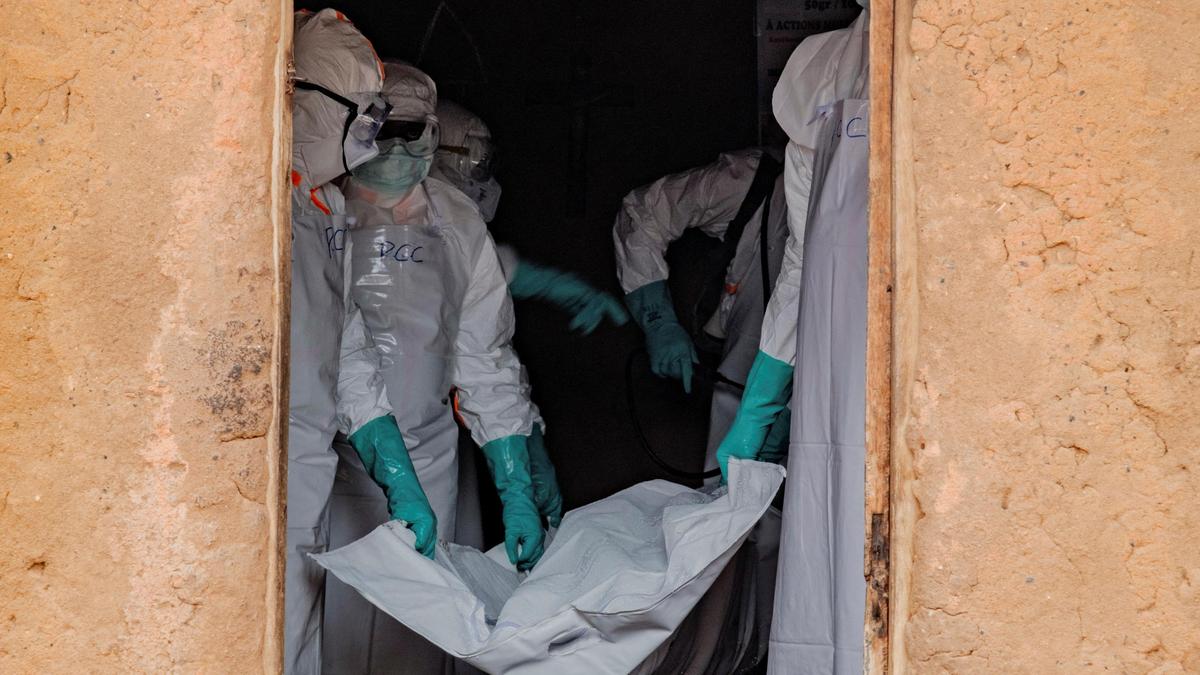
The story so far: The latest Ebola outbreak in the Democratic Republic of Congo continues to tighten its grip even as latest figures indicate that the number of deaths caused by the disease has crossed 1,500. As of July 28, 2026, Congo has recorded 3,442 cases and 1,521 deaths, according to data from the country’s Ministry of Health. Almost 797 people are hospitalised or in isolation while the strained Congo scrambles to mount a response.What is Ebola?Ebola, a deadly disease, is caused by a group of viruses known as orthoebolaviruses. The disease first occurred in 1976 in South Sudan and Congo. While animals are thought to be natural hosts of the virus, it can spread to humans when they consume or come in close contact with fluids and secretions from the infected hosts. The incubation period for the virus ranges from two to 21 days while some of the symptoms include fever, fatigue, vomiting, diarrhoea and abdominal pain rash.The disease is not airborne and can only be transmitted from one person to another when they come into contact with blood or bodily fluids of a person infected with or has died of ebola; or surfaces that have been contaminated by the fluids of an infected person. A person is only contagious after they start showing symptoms.Which type of virus is behind this outbreak?The current outbreak in Congo is caused by the rarest among the four types of orthoebolaviruses that cause illness in people - Bundibugyo. Previously reported in 2007 and 2012 in Congo, the strain does not have any approved vaccines or specific treatments. Reports say that the disease spread unchecked in the area as blood tests were done only for the more common type of Ebola.
Why is it difficult to contain the growing Ebola outbreak in DRC? | Explained
Explore the challenges of controlling the DRC's escalating Ebola outbreak, including vaccine progress and health system obstacles.
874 words~4 min read