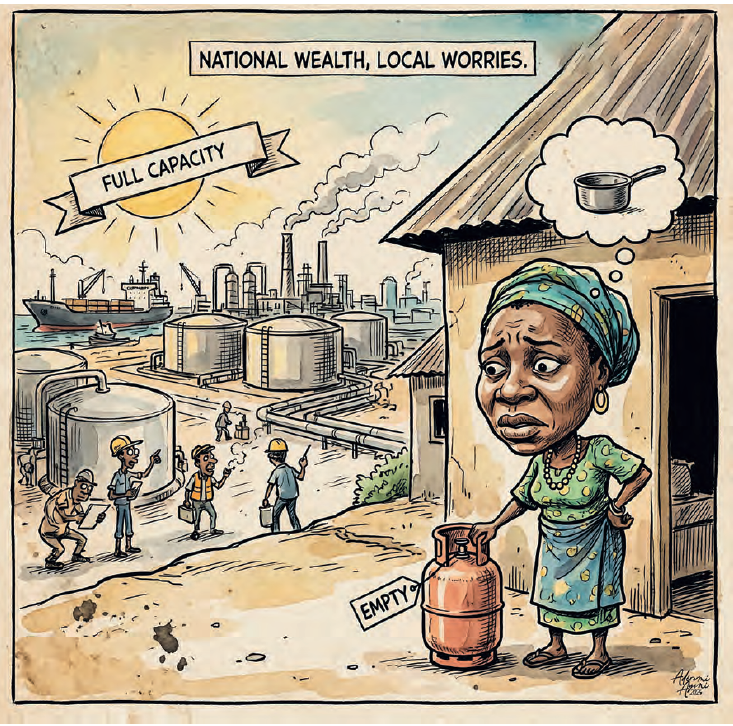
Nigeria’s energy journey has long been marked by a dilemma: a nation blessed with extraordinary natural gas reserves, yet millions of its citizens and industries continue to wrestle with unreliable, costly, and inaccessible energy. With proven reserves now standing at 210.54 trillion cubic feet (TCF) as of 2025 and among the largest in the world; Nigeria holds the potential to power its future, drive industrialisation, and deliver cleaner, more affordable energy. Yet for decades, this immense wealth remained underutilised, flared away, or left stranded without the infrastructure to bring it to homes and businesses.
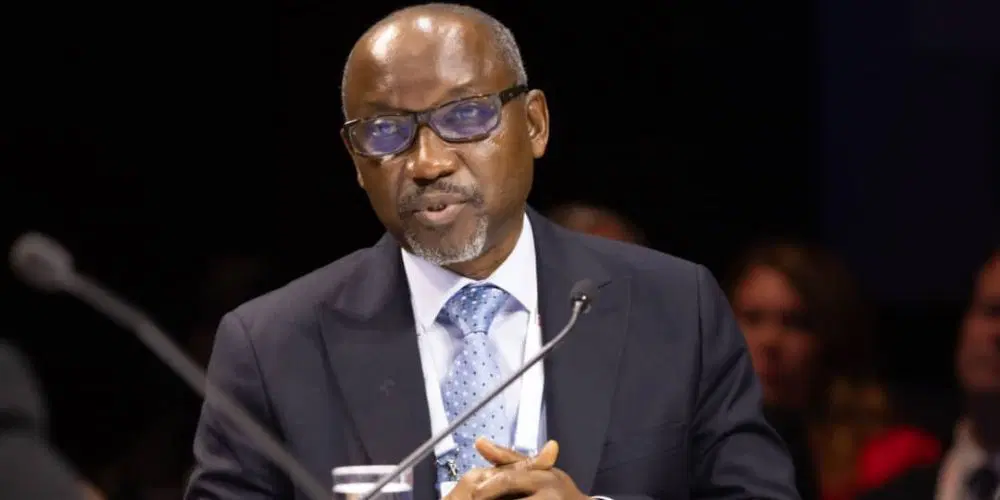
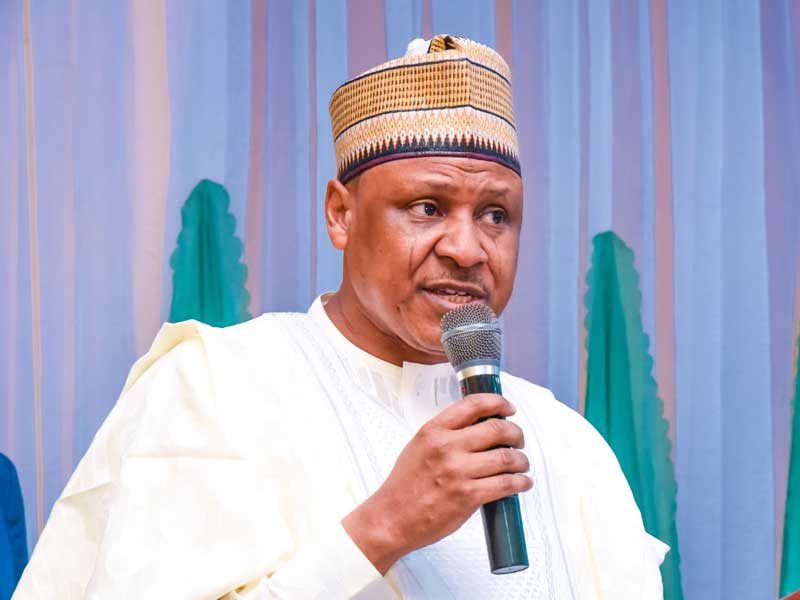
The challenge has never been the absence of resources, but the lack of infrastructure to harness and distribute them effectively, corruption, and administrative inefficiency. Against this backdrop, the renewed commitment of the Nigerian National Petroleum Company (NNPC) Limited to expand gas infrastructure is both timely and commendable. Under the leadership of Engr. Bashir Bayo Ojulari, the narrative is shifting. Gas flaring is being reduced, reserves are being channeled into productive use, and energy infrastructure is finally taking centre stage.
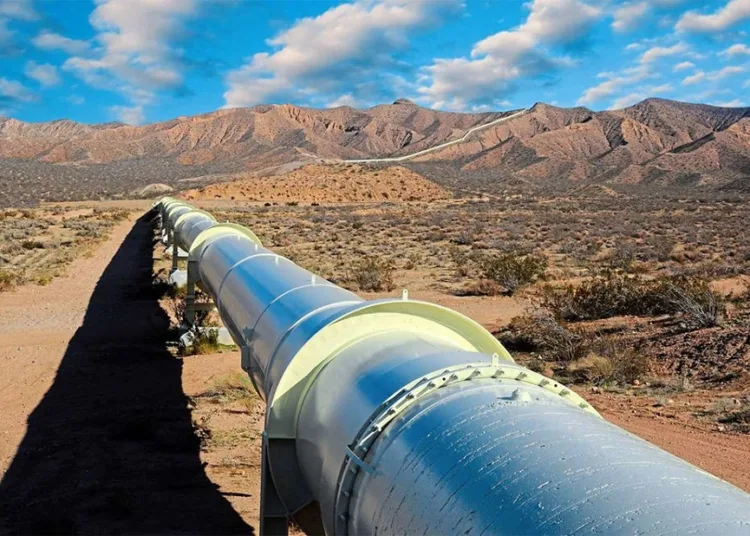
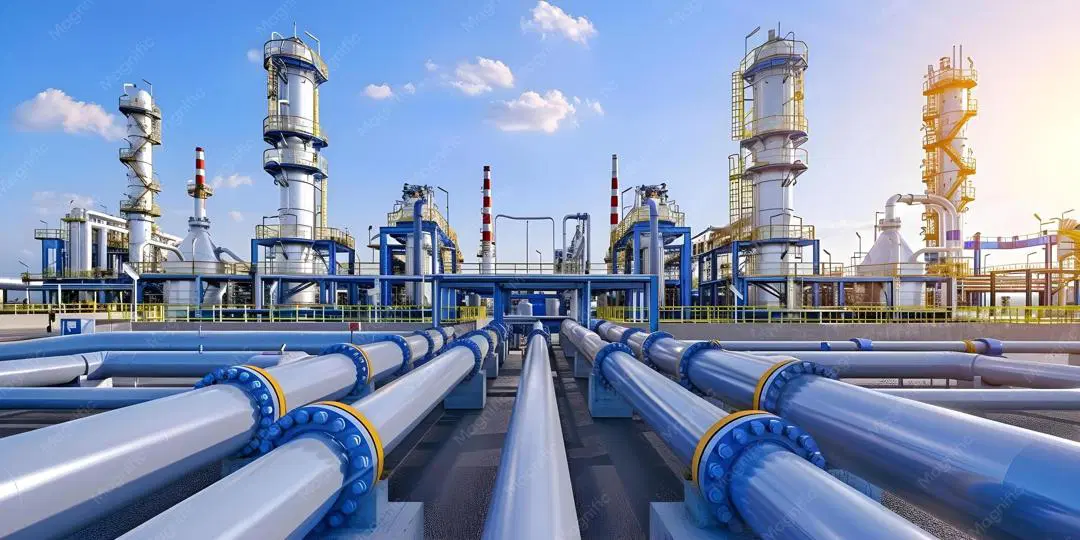
In January 2026, NNPC Ltd unveiled its Gas Master Plan; a comprehensive framework targeting daily production of 10 billion cubic feet by 2027 and 12 billion by 2030. This ambitious plan is designed to catalyse over $60 billion in new investments across the oil and gas value chain, positioning Nigeria as a global gas powerhouse. Speaking at the NOG Energy Week in Abuja recently, energy experts highlighted NNPC’s flagship projects: the Obiafu-Obrikom-Oben (OB3), the Ajaokuta-Kaduna-Kano (AKK), and the Trans-Nigerian Gas Pipeline. Together, these projects form an integrated network that will boost supply for both domestic and international markets.