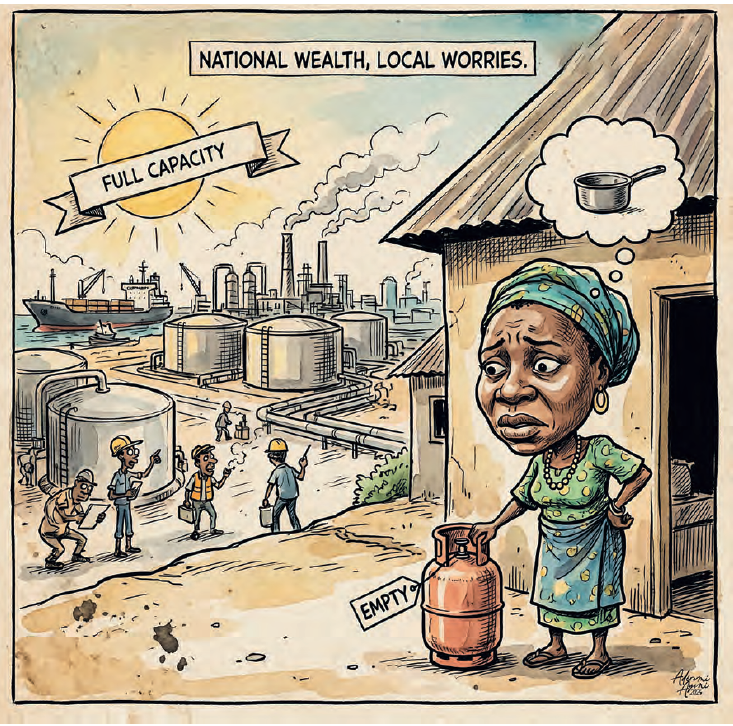
Nigeria sits on one of the largest gas reserves in Africa, roughly 216 trillion cubic feet by government estimates, and it’s now pumping more than 7.5 billion cubic feet a day out of the ground. By any measure of raw supply, the country is rich.
Yet turn on a factory floor in Lagos or ask a family in Ogun state where their next tank of cooking gas is coming from, and the picture looks very different. The gas is there. Getting it to the people who need it is the problem, and increasingly, industry executives say that problem, not geology, will decide how Nigeria’s energy sector performs over the next decade.
“It is tempting to search for a single policy that transformed Nigeria’s domestic gas market,” said Audrey Joe-Ezigbo, chief executive officer of Falcon Corporation Limited, speaking this week at the second Association of Local Distributors of Gas Business Forum in Lagos. “In reality, no such singular reform exists.”
That forum, themed “From Gas Abundance to Gas Access,” drew distributors, regulators and financiers to a question that has hung over Nigeria’s gas sector for years: why does a country with this much gas still struggle to deliver it?
The gap by numbers