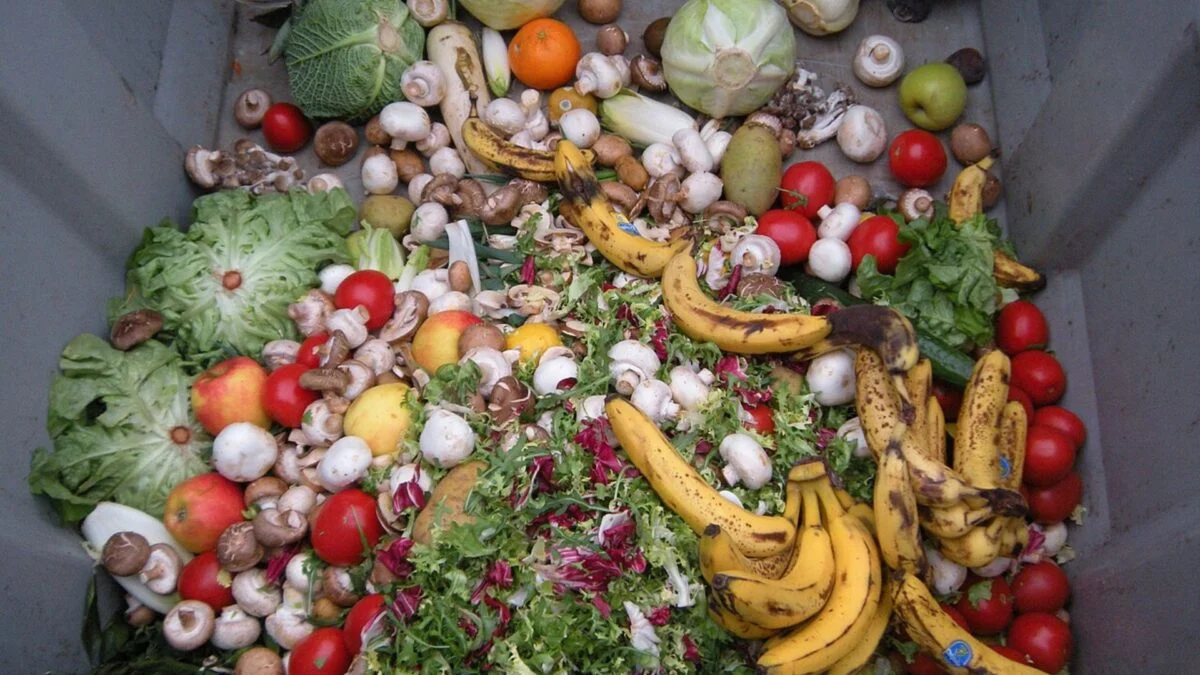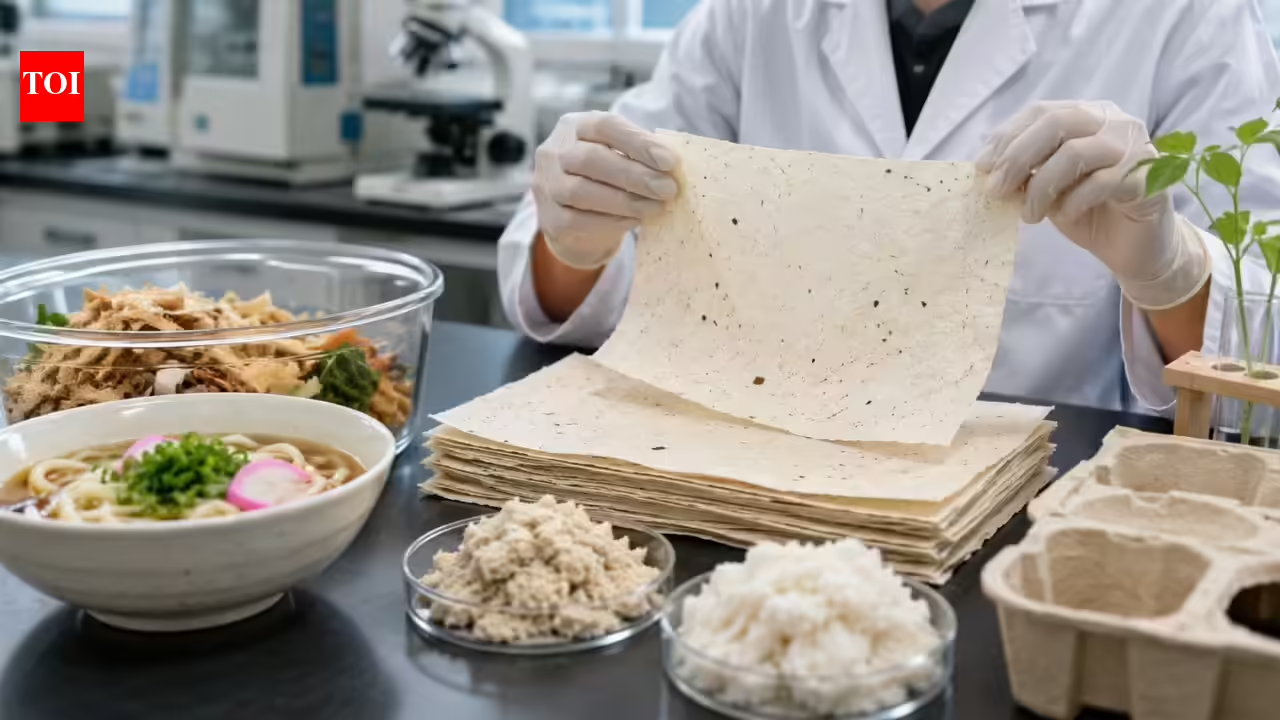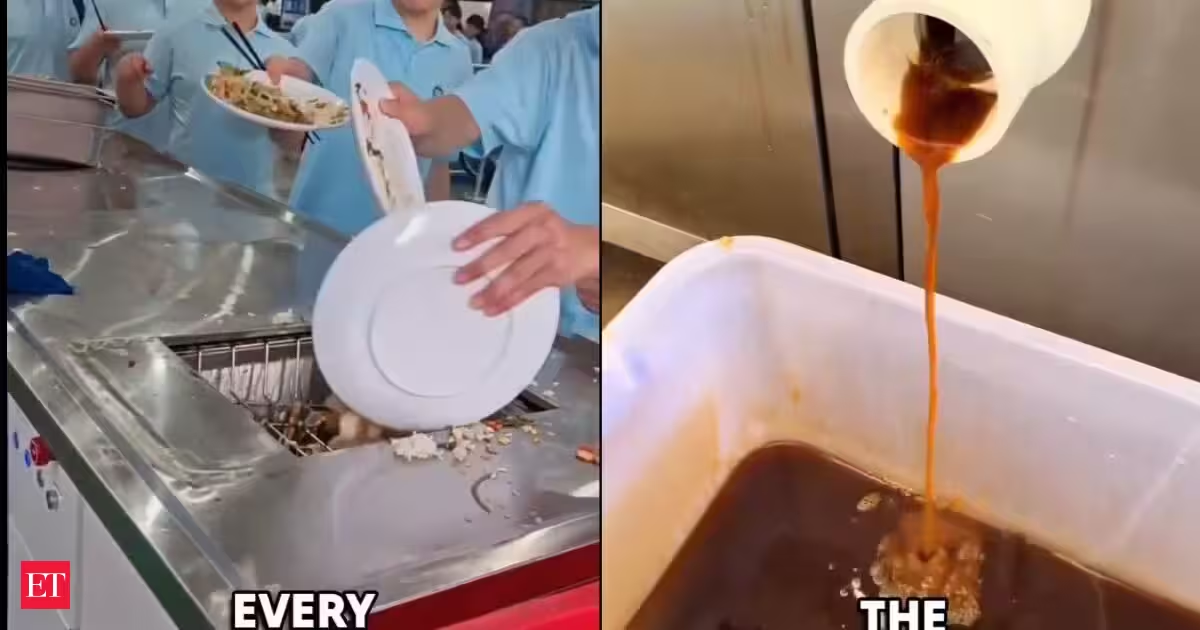
A video from China showing a novel approach to managing food waste in school canteens has gained attention on social media. The clip shows students depositing leftover food into a specialised machine instead of throwing it into bins. The system processes food scraps to recover oil for biodiesel production and converts the remaining organic waste into compost, promoting the reuse of discarded food. The video, shared on X by user Massimo, shows students placing leftover rice, vegetables, meat and other food scraps into the machine after finishing their meals. The process begins with the machine crushing the waste into a thick slurry, making it easier to separate its components. The system then extracts oil from the mixture, which is collected and used as a raw material for producing biodiesel. The remaining organic matter undergoes bacterial fermentation, which breaks it down over time and transforms it into compost suitable for improving soil quality.— Rainmaker1973 (@Rainmaker1973) How food waste becomes biodiesel Biodiesel is a biofuel produced from natural oils and fats rather than crude oil. It is considered an alternative fuel as it uses renewable sources and allows waste materials to be repurposed. In this system, oil recovered from leftover food that would otherwise be discarded is reused for biodiesel production. The process helps create a cycle where waste is collected, processed and converted into a valuable resource. Compost adds value to leftover food The organic waste left after oil extraction is not discarded. Through fermentation with bacteria, the material is converted into compost that can be used to enrich soil. The approach reduces the amount of food waste sent to landfills while creating useful products from discarded material. The viral video has drawn attention for demonstrating how a simple change in waste management practices can help recover resources from everyday food leftovers.
China school canteens turn food waste into biodiesel, compost with this smart machine; watch video
A novel system in Chinese school canteens processes leftover food into valuable resources. Students deposit food scraps into specialized machines after finishing their meals. The system extracts oil for biodiesel production and converts organic waste into compost. This innovative approach repurposes discarded food, reducing landfill waste significantly. The process creates a sustainable cycle from waste collection to resource conversion.
301 words~1 min read