I still remember the day our support bot, which was supposed to be a showcase of agentic AI in action, started acting like it was stuck in some kind of bizarre loop. Customers would ask a question, and instead of providing a helpful response, the bot would just repeat the same canned phrases over and over, never actually addressing the issue at hand. It was as if the bot had gotten stuck in a never-ending conversation with itself, unable to escape the cycle of meaningless chatter.
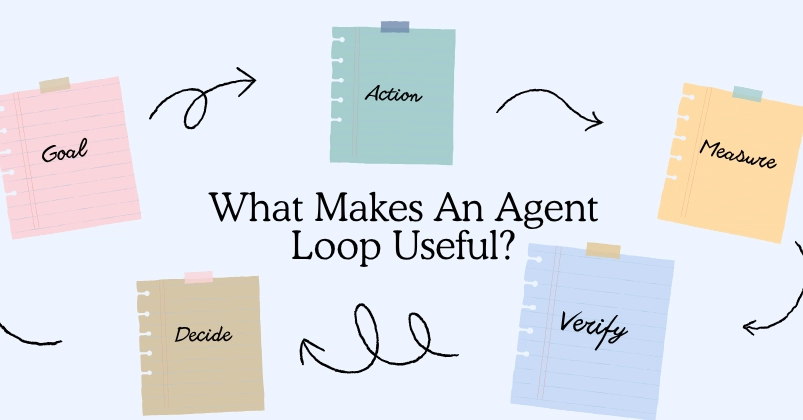
After digging into the logs, we discovered the root cause: our bot was designed as a multi-agent system, with different agents responsible for handling different aspects of the conversation. The problem arose when these agents started talking to each other in a way that created a kind of feedback loop. Agent A would ask Agent B a question, which would prompt Agent B to ask Agent C, which would then ask Agent A, and so on. Before long, the whole system was bogged down in a sea of circular conversations, with no clear way to break the cycle.
We realized that we needed to implement some kind of guardrail to prevent this kind of behavior. That's where LangGraph and the Model Context Protocol (MCP) came in. By using these tools, we could create a more structured and intentional conversation flow between our agents. Specifically, we used the StateGraph API from LangGraph to define the possible states of our conversation, and the add_conditional_edges method to specify the conditions under which an agent could transition from one state to another.