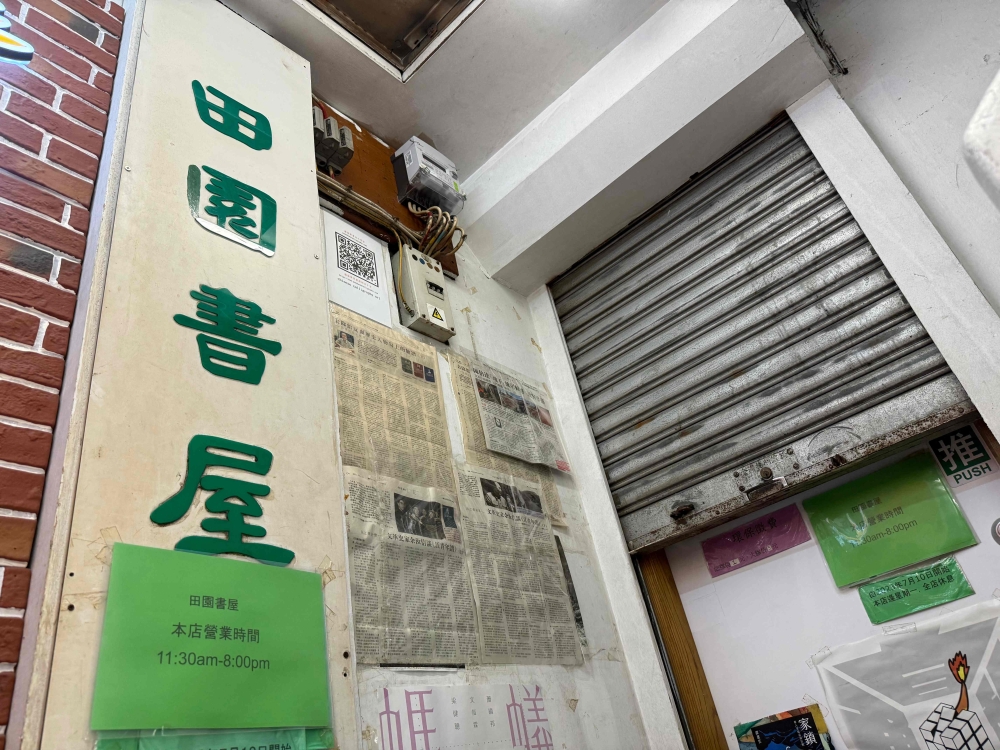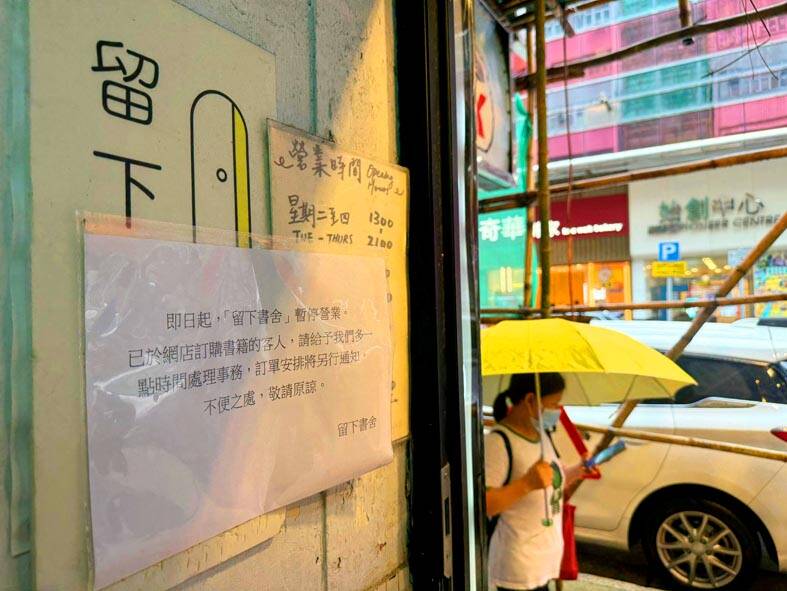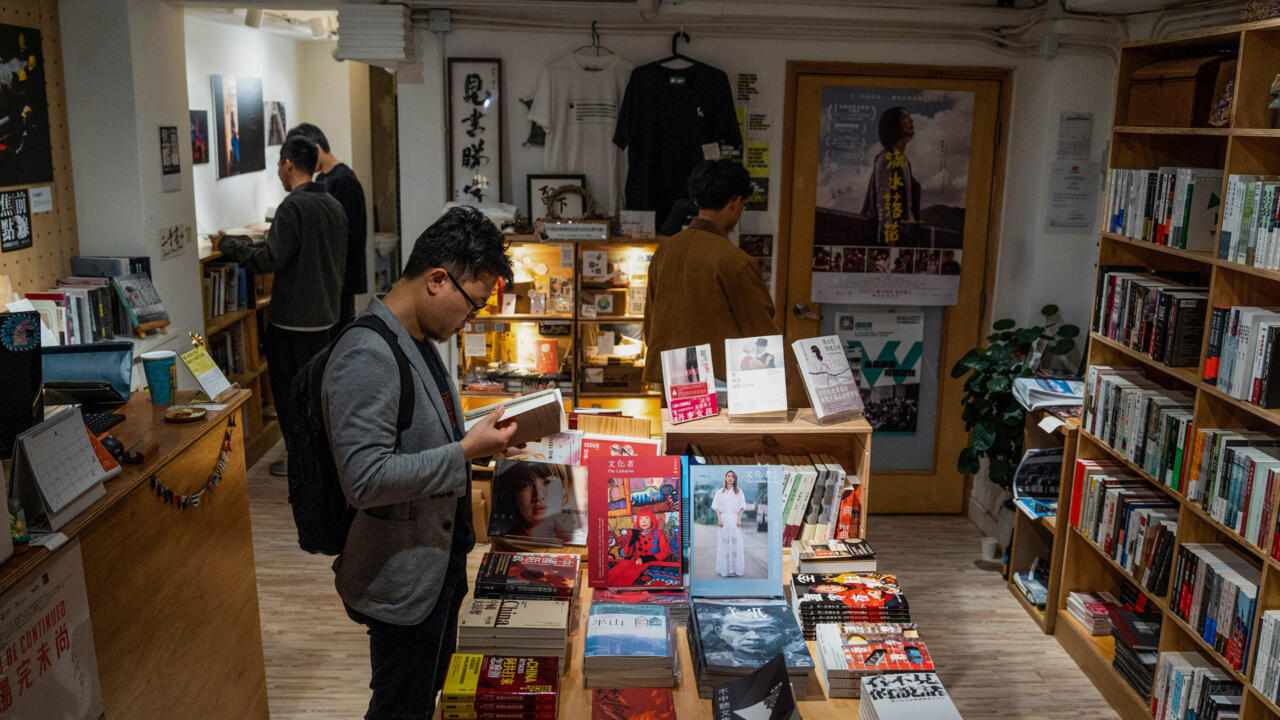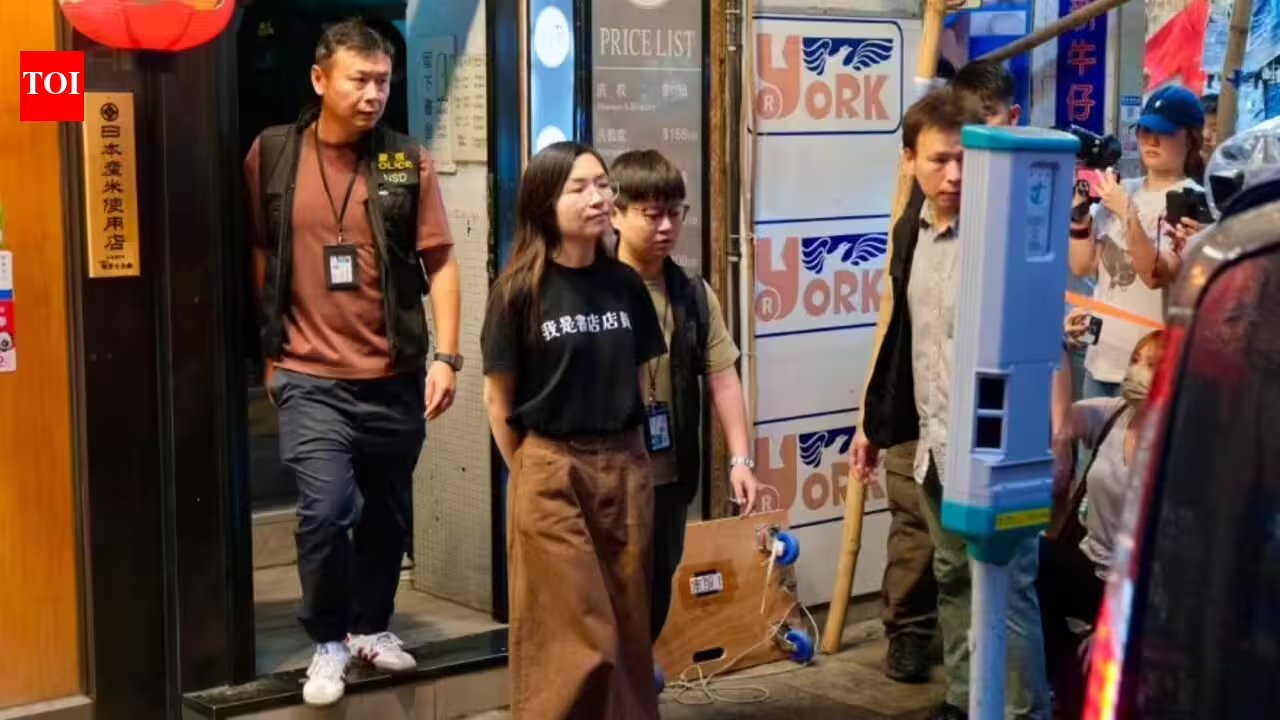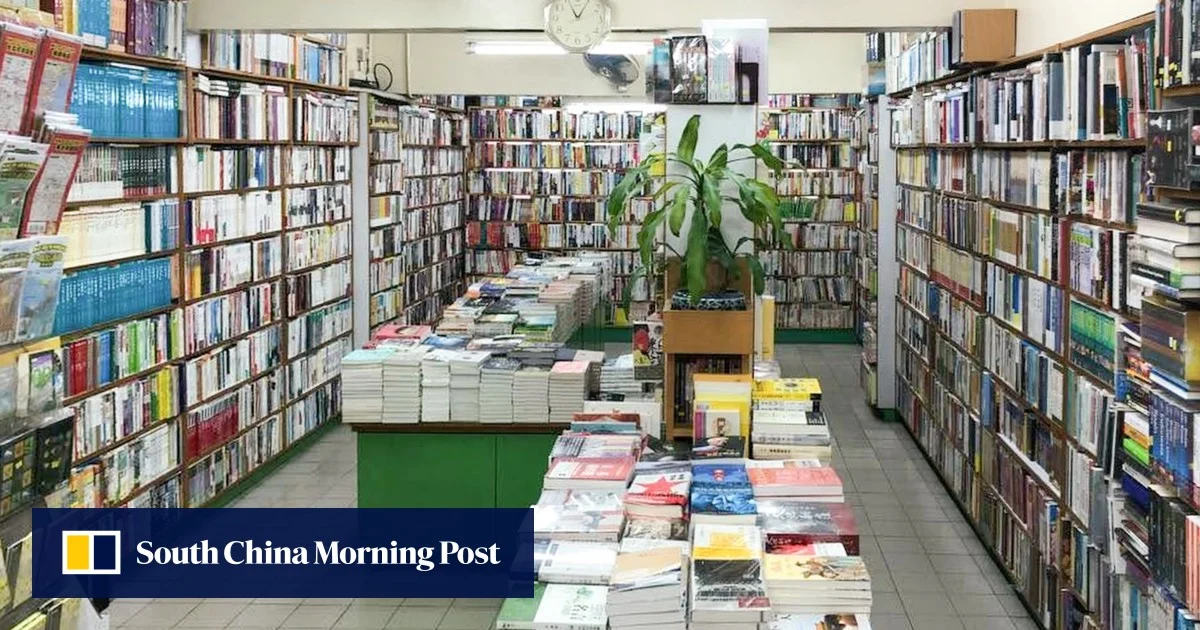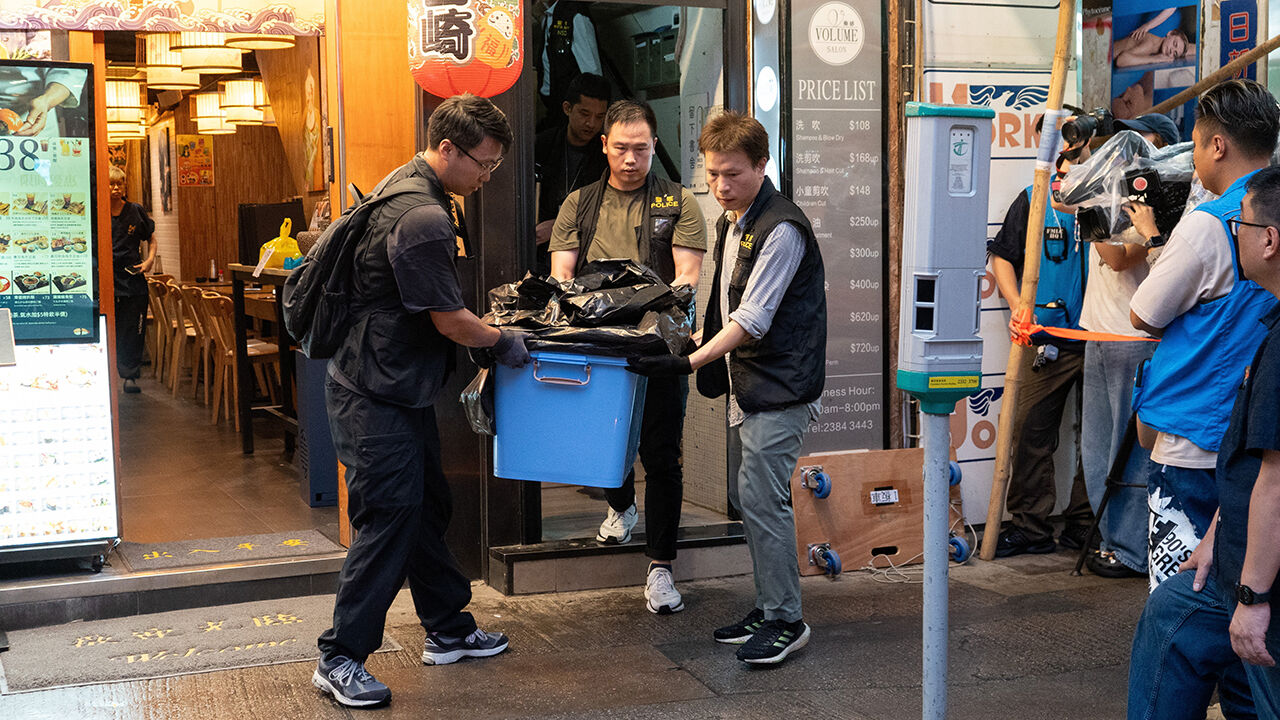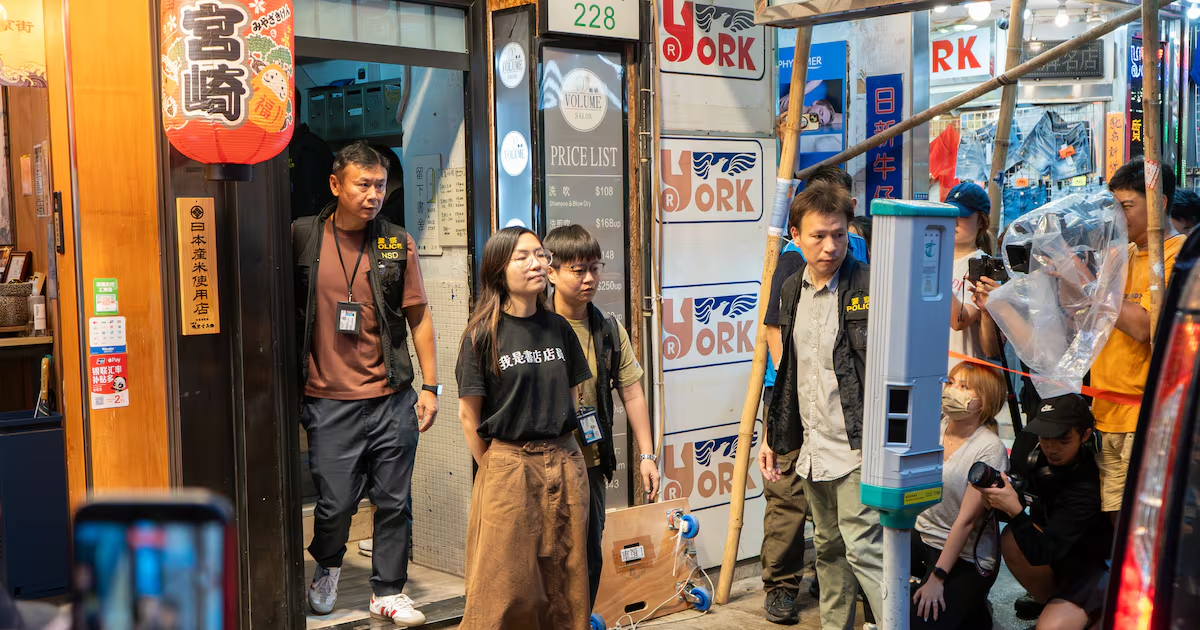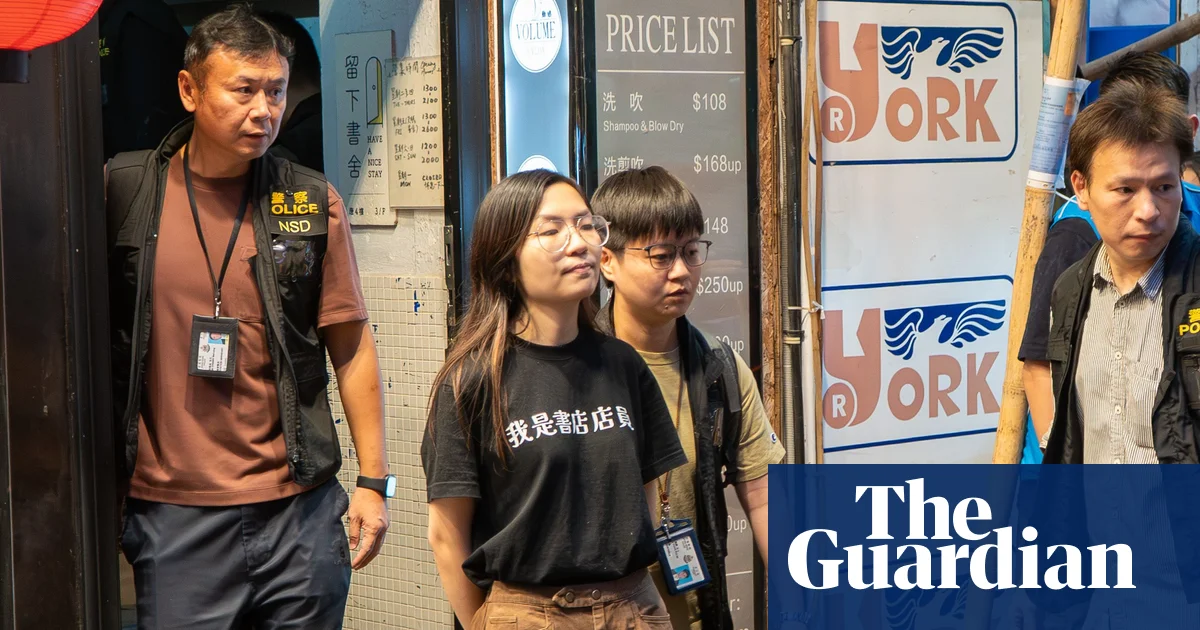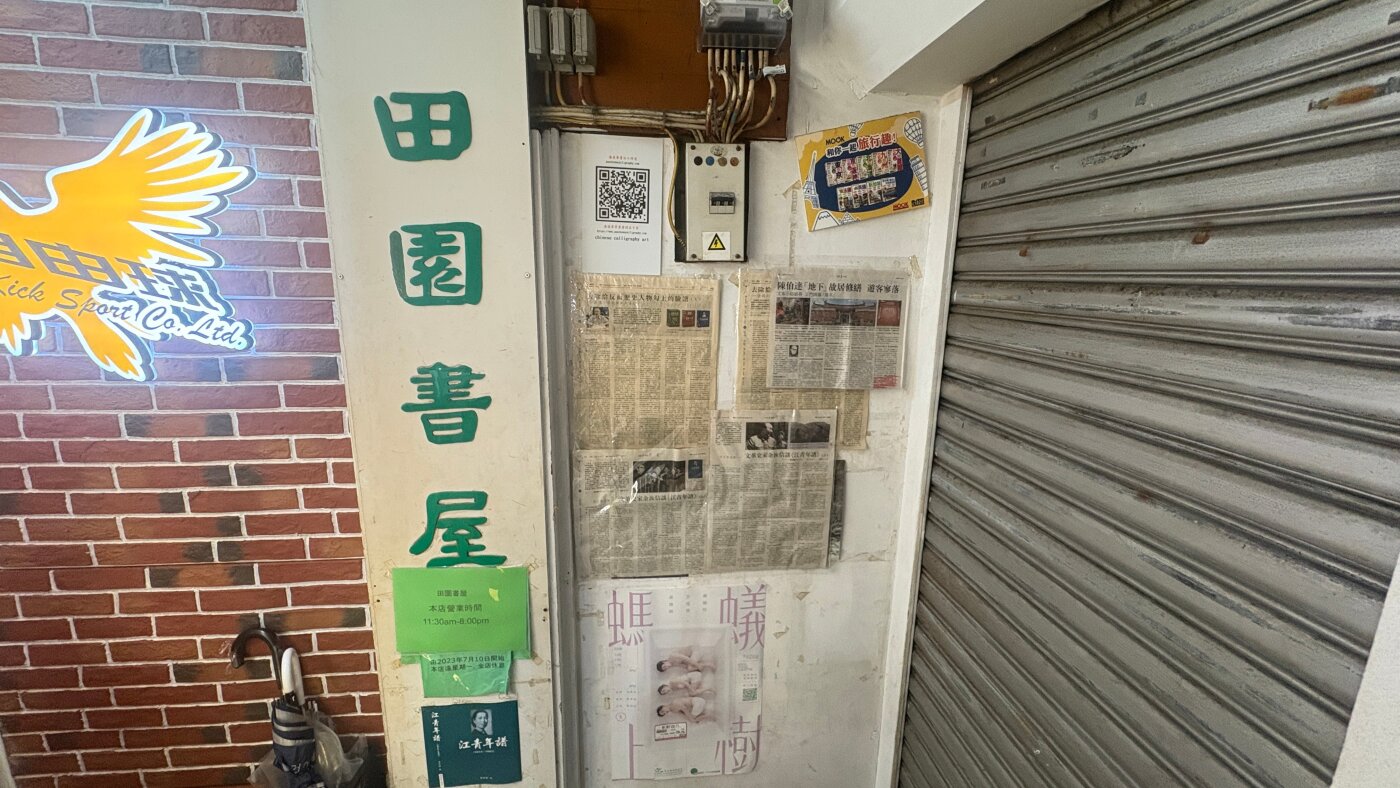
The typhoon had passed but it was still raining heavily when Keung and I started queuing under some bamboo scaffolding to get into a small, brightly lit restaurant that specialised in roast duck at low prices. The line moved quickly and we were soon shuffled into a couple of chairs at a round table we shared with two women in their 20s who were wearing orange and white school uniforms and pink wigs with large, tufted fox ears.While Keung turned the heavy, laminated pages of the menu, the schoolgirls and I looked up at the door as two figures walked in wearing silver hazmat suits and carrying machine guns. The man behind them was carrying a long sword which he held upwards in front of his face and the three of them sat down together a couple of tables from us.“It’s the anime convention,” Keung muttered in my ear as he pointed at a picture of some goose and rice on the menu.This year’s Ani-Com & Games Hong Kong was the 27th and the biggest yet, with hundreds of vendors and exhibitors occupying three halls in the city’s Convention and Exhibition Centre and attracting tens of thousands of visitors. Events like this are an important contributor to Hong Kong’s economy, driving up hotel occupancy and room rates and helping to support a hospitality sector that is struggling, especially at weekends.Participants in cosplay outfits attend the annual Ani-Com & Games exhibition in Hong Kong. Photograph: Peter Parks/AFP via Getty Images A Hong Kong native, Keung seldom dines out in the city, eating three meals a day on weekdays in the office canteen at the shipping company where he counts the days until he can retire in about 20 years’ time. Once or twice a month, he crosses over to Shenzhen in mainland China where dining and entertainment are between 50 per cent and 70 per cent cheaper.“It’s cheaper and better. They cook in pork fat over there and it makes everything taste better,” he said.One reason everything is more expensive in Hong Kong is that it has its own currency, the Hong Kong dollar, which is pegged to the strong US dollar. The currency is among a number of important ways the former British colony remains different from the mainland, along with its own central bank, common law system and local legislature.Like many people in Hong Kong, Keung still refers to the mainland as China but although he does not criticise the pro-democracy demonstrations that shook the city in 2019, he told me he did not join them.“A lot of people here don’t like China but I’m not like that,” he said.[ T-shirt slogan speaks volumes in Taiwan as Hong Kong raids see book sales rocketOpens in new window ]Beijing crushed the protest movement when it imposed a national security law on Hong Kong in 2020 and many democracy activists were jailed or went into exile in the years after that. All pro-democracy parties have dissolved or been shut down, along with all independent media apart from a few small news sites that operate within careful limits and on a shoestring.For a while, it looked as if international outrage at Beijing’s actions could threaten Hong Kong’s place as the world’s third biggest financial centre after New York and London. But the banks and other financial services are flourishing again and Washington this month restored preferential trade treatment to Hong Kong, which it suspended after the crackdown on democracy in 2020.“The circumstances had changed in the president’s judgment,” secretary of state Marco Rubio said.Up a narrow staircase next to a shoe shop on a busy shopping street in West Kowloon, Greenfield Bookstore was thronged with browsers on Wednesday evening. The floor-to-ceiling shelves were packed tight with books, including many about Chinese history and politics that could not be sold in mainland China.That morning, the bookshop, which opened in 1976, had announced it would close at the end of its current lease following a raid by national security police two weeks ago.Greenfield Book Store announced this week that it would close after 50 years in business. Photograph: Catherine Lai/AFP via Getty Images “Thank you, everyone, for your support over the past 50 years since the shop opened. Thank you and take care,” it said on social media.Police raided Greenfield Bookstore and Have a Nice Stay, another independent bookshop, on the same day, seizing a number of books and arresting five people on suspicion of performing acts with seditious intent. The police said the suspects had displayed seditious items and sold seditious publications that could incite hatred against the authorities.The entrance to Have a Nice Stay Book Store this week. A sign announced it had ceased operations immediately. Photograph: Catherine Lai/AFP/Getty Images It may be a measure of the Hong Kong authorities’ lack of confidence in their public standing that even after all democratic opposition has been silenced, they feel the need to shut down two tiny, independent bookshops. Have a Nice Stay, which had already announced before the police raid that it would close at the end of August because of “unclear red lines” about which books it was allowed to sell, said this week that it would shut down immediately.A few days after the police raids on Greenfield Bookstore and Have a Nice Stay, the Hong Kong Book Fair opened at the convention centre. Booths that had been assigned to two other independent bookshops, Elmbook and Luck Win, which were disqualified from taking part, were turned into reading areas.
Hong Kong’s revival contrasts with crackdown on last remaining independent bookshops
As the financial hub regains confidence, police action against small booksellers highlights continuing limits on dissent
917 words~4 min read