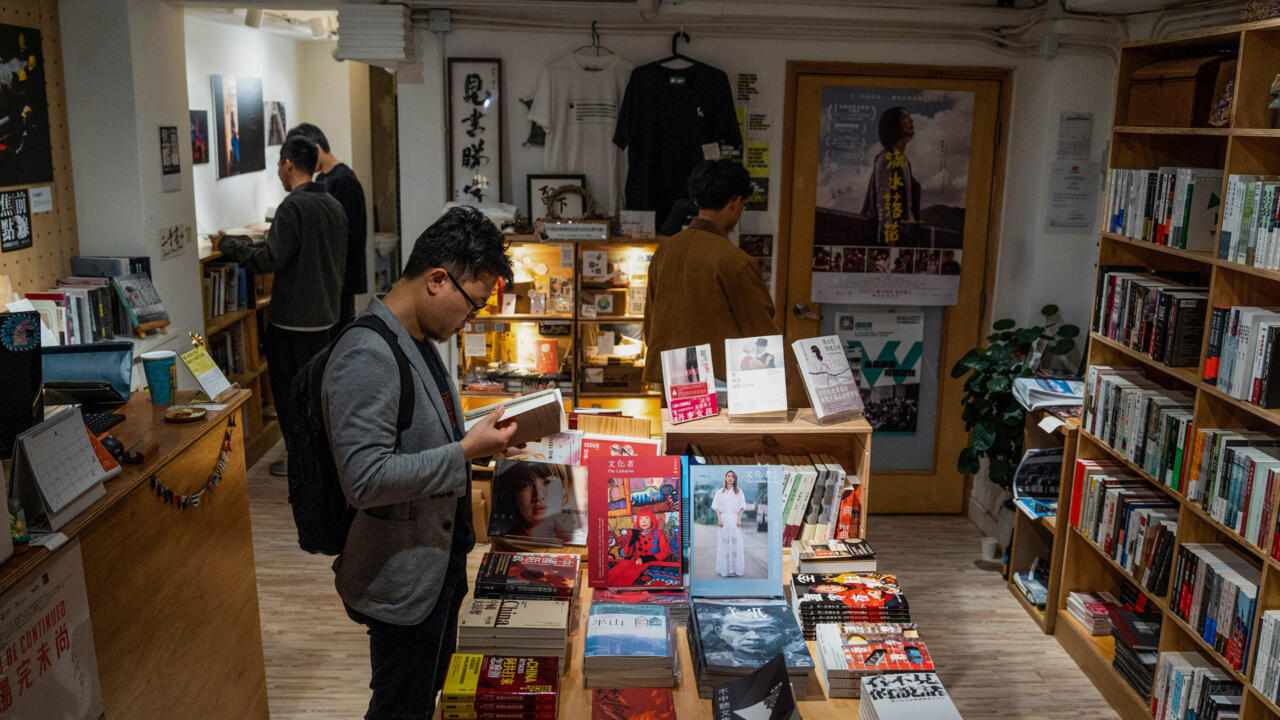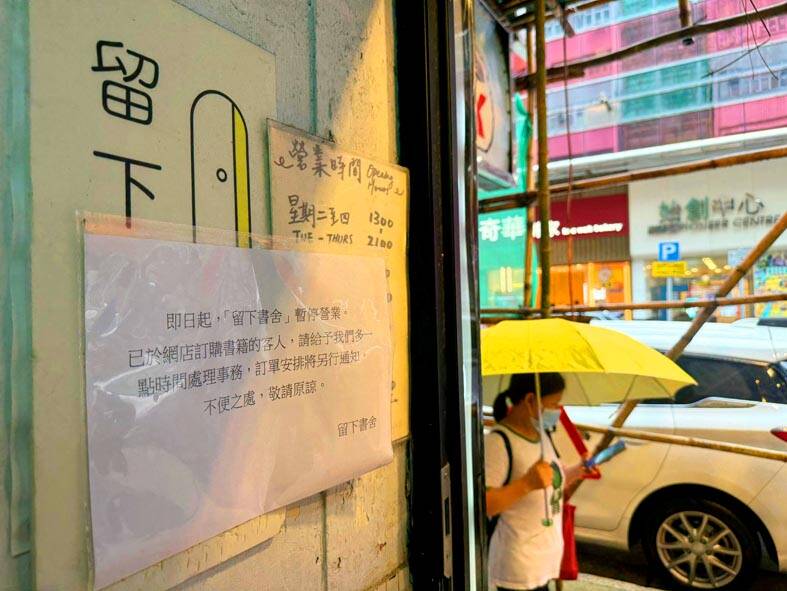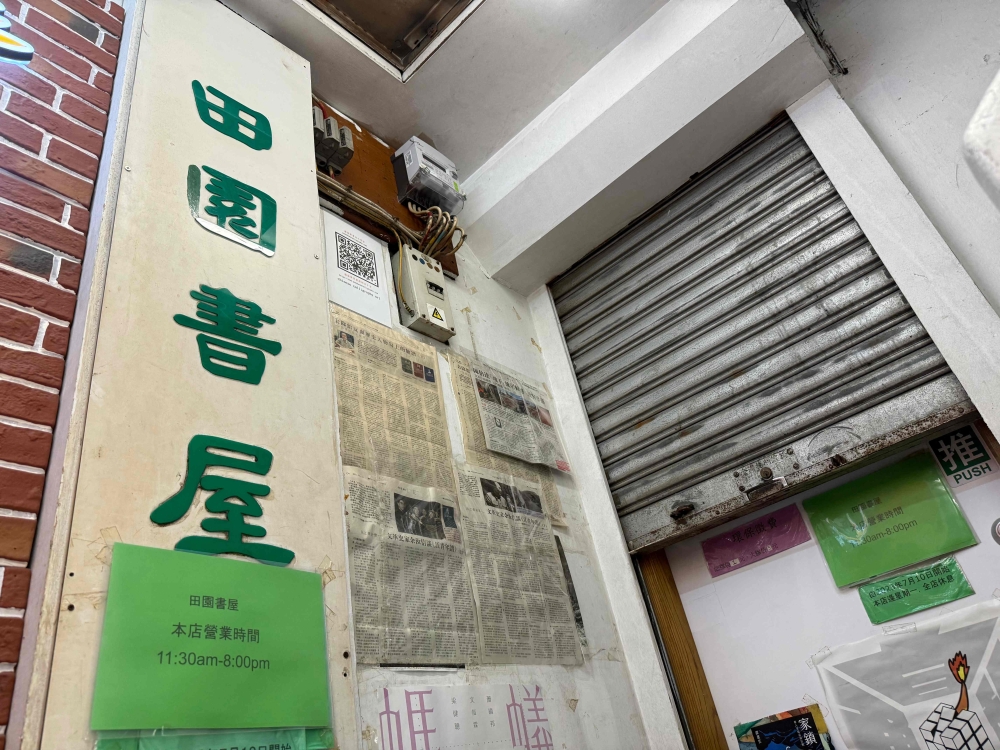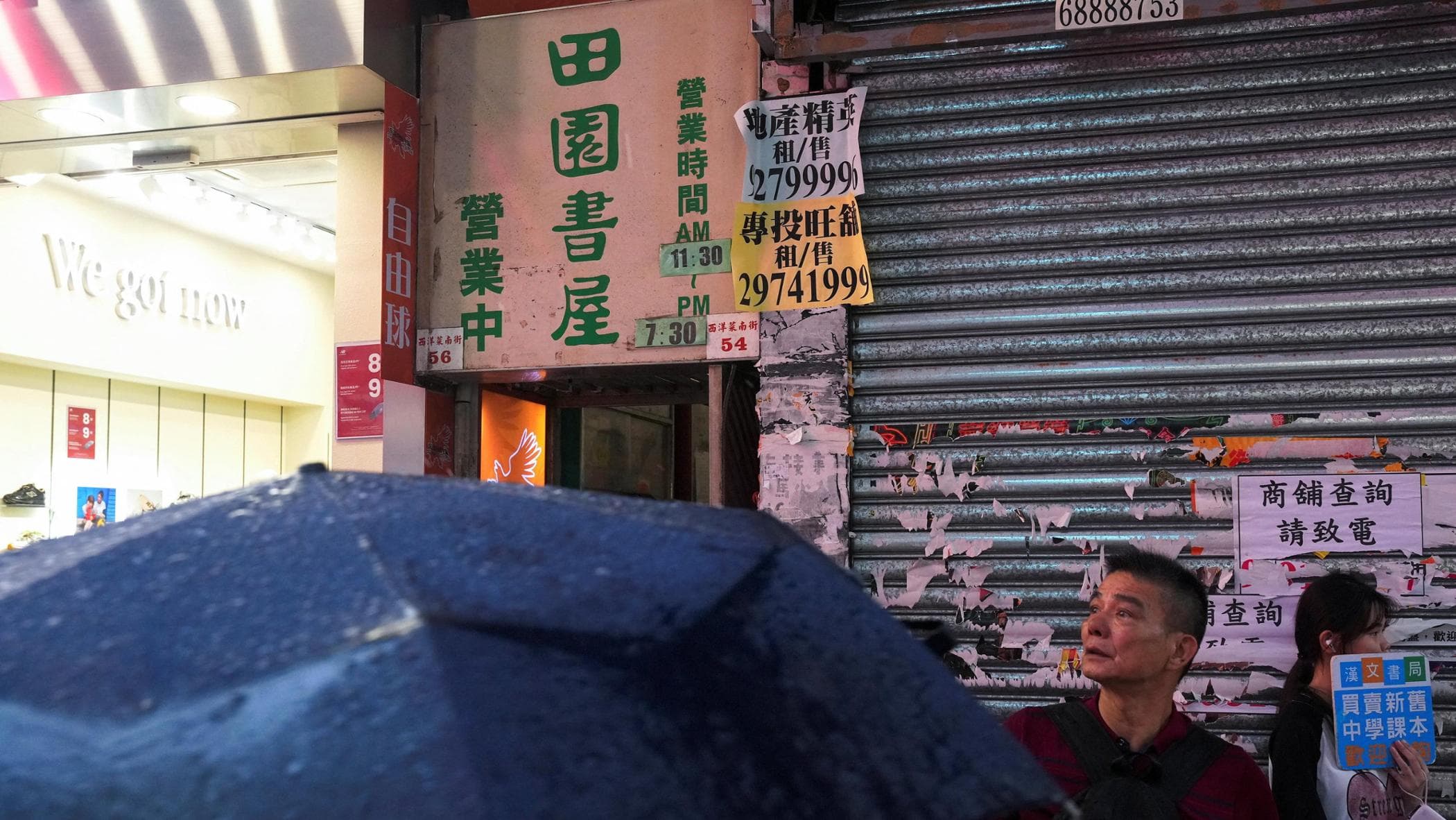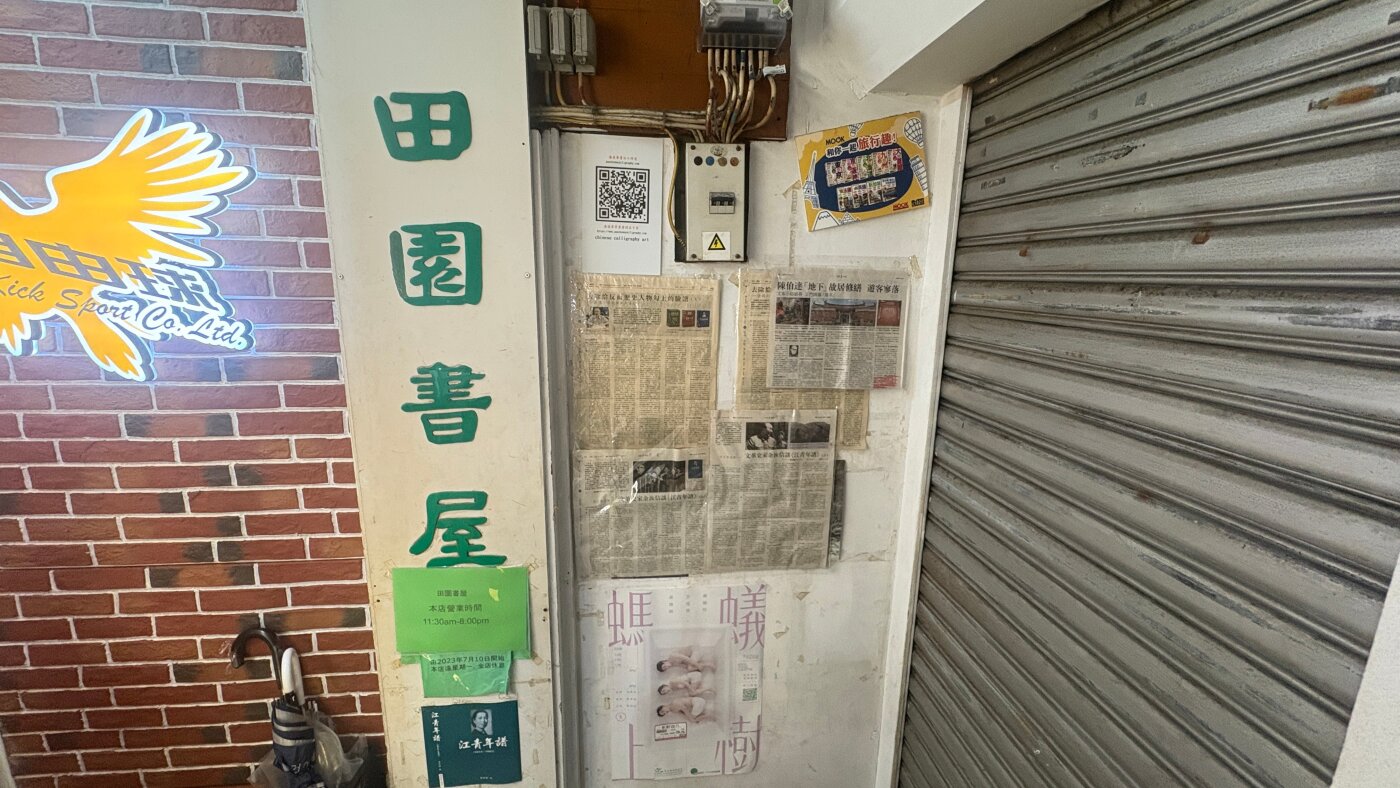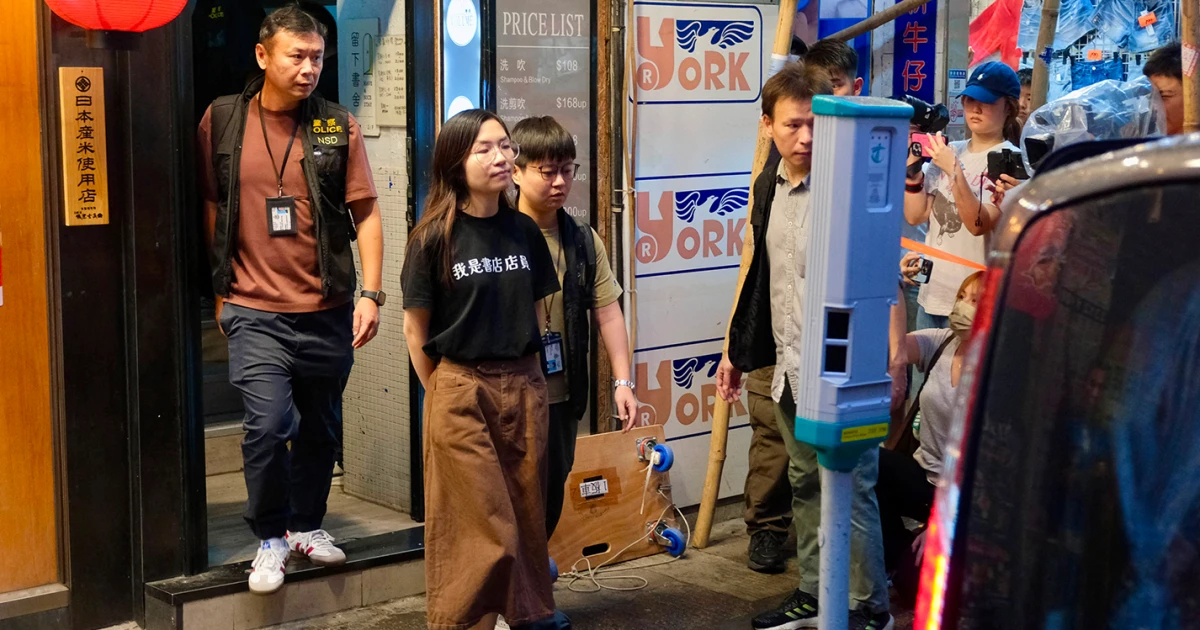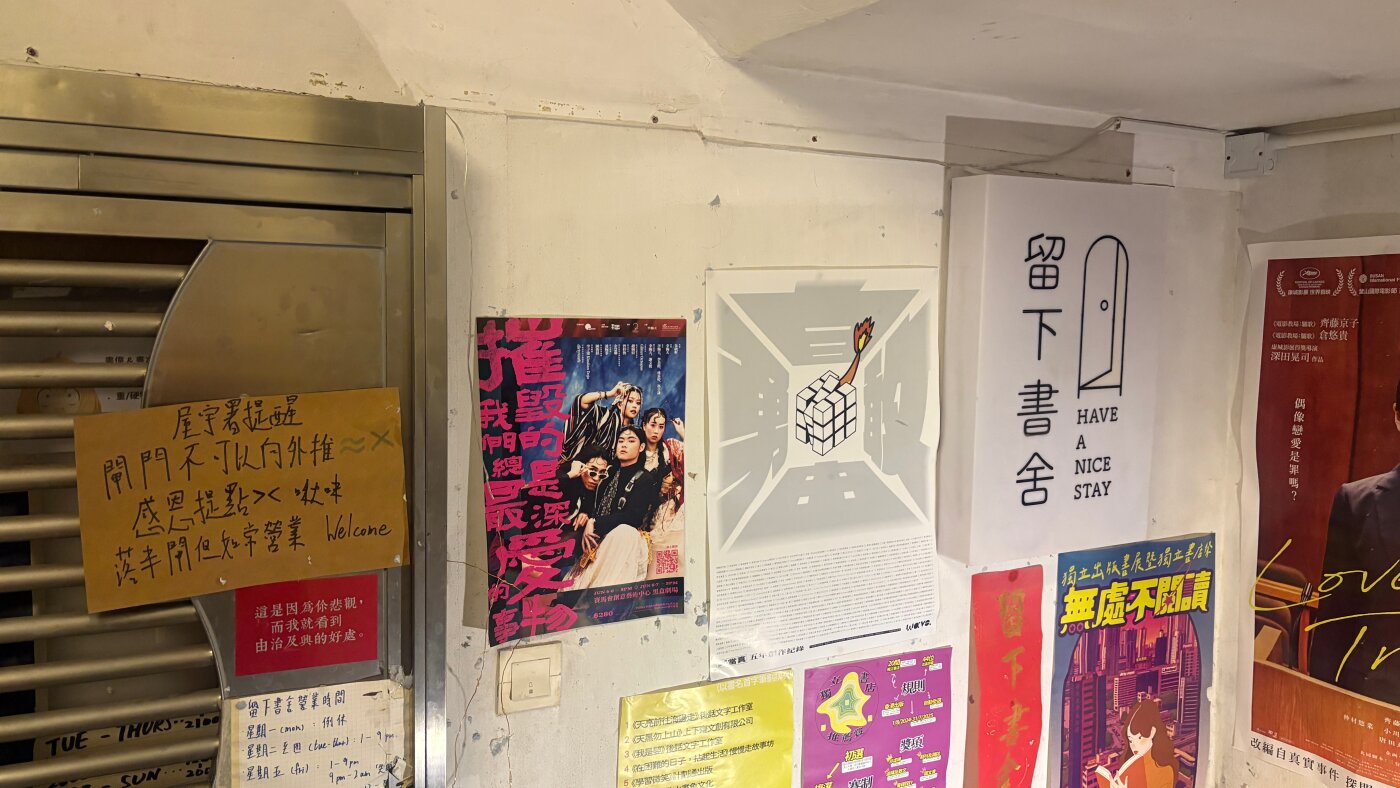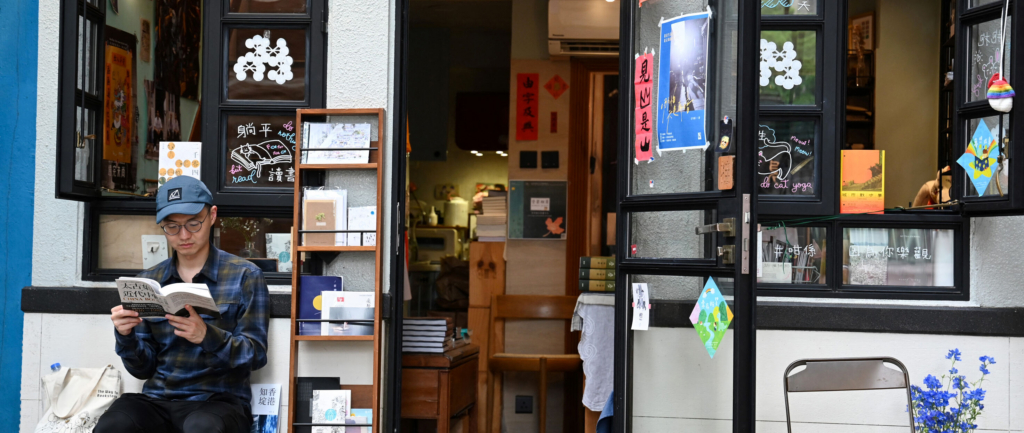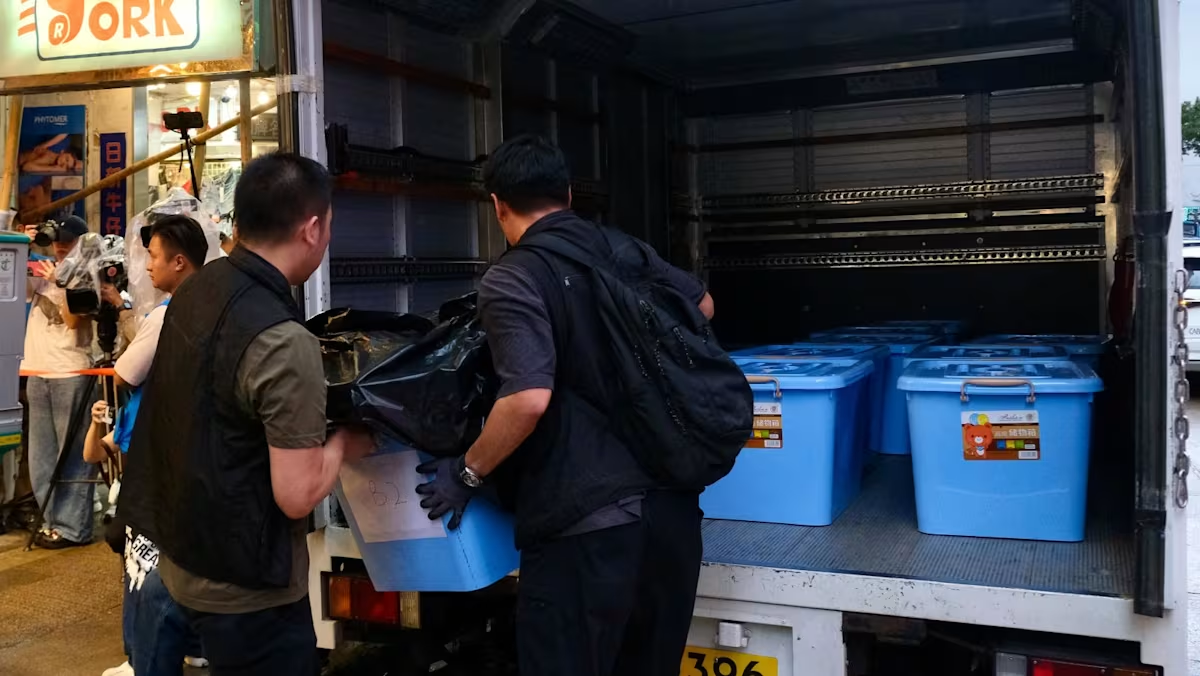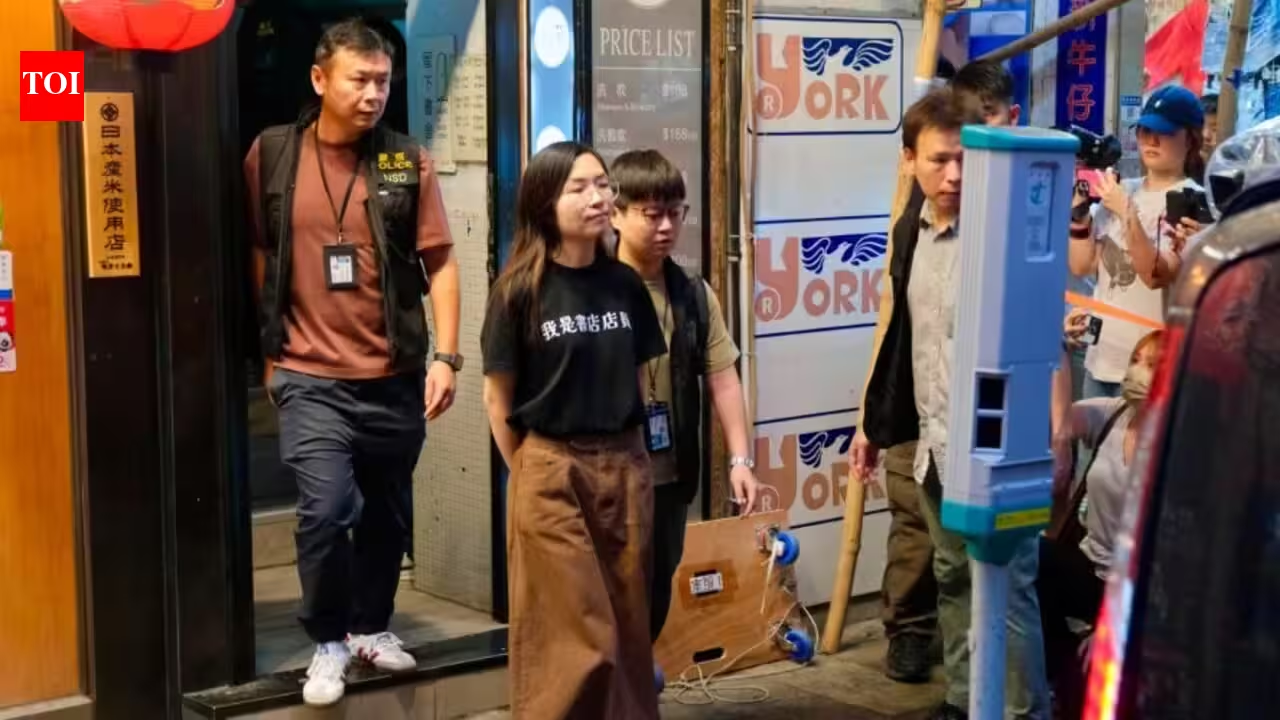
Since March, four bookstores have been raided and three arrests madeAs a Special Administrative Region of China, Hong Kong has long enjoyed greater autonomy than the mainland, allowing its independent Chinese-language publishing industry to flourish.Yet, a series of raids on independent bookstores since March has raised fresh concerns about the future of the city's independent publishing industry.In the latest such crackdown, on July 15, authorities raided two booksellers and arrested five people, including two men and three women. The group was arrested on suspicion of selling “seditious” publications under Hong Kong’s 2024 national security legislation.4 bookstores, 11 arrestsThe developments have also resonated in Taiwan, the self-governed island claimed by China, underscoring Hong Kong's enduring significance in the Chinese-speaking publishing landscape.The Hong Kong bookstore raidsAlthough Hong Kong retains its own government and legal system, Beijing exercises sovereignty over the territory and has steadily expanded its political control. Hong Kong, a former British colony, returned to Chinese sovereignty in July 1997 under the terms of the Sino-British Joint Declaration. It has since been governed as a Special Administrative Region under the “one country, two systems” framework set out in its Basic Law.UK and China Joint Declaration on Hong KongBeijing’s imposition of the National Security Law in June 2020, followed by Hong Kong’s passage of its own Article 23 security legislation in 2024, further expanded the authorities’ powers.The three rounds of raids since March have been widely viewed by rights groups and critics as further evidence of Beijing's tightening control over Hong Kong.On March 25, police arrested the owner and three staff members of the Book Punch store for selling allegedly seditious publications.On June 24, two booksellers from Hunter Bookstore were arrested on similar charges.The latest to be raided were Have A Nice Stay and Greenfield Book Store. Founded by a group of former journalists, Have A Nice Stay had announced just the previous day that it would cease operations on August 30, citing financial difficulties and an elusive "red line." On July 29, Greenfield Book Store also announced it would cease operations due to expiry of lease without sharing any further details.How Beijing weaponises National Security LawThe arrests have intensified concerns among rights groups and members of the publishing community about mounting pressure on independent booksellers.Hong Kong’s independent publishing legacy - and its declineAccording to experts, Hong Kong was, for decades, the centre of independent Chinese-language publishing. Books banned in mainland China were written, published and sold in the city, making it a vital source of uncensored Chinese-language literature.Official data released in July 2003, six years after Hong Kong's control was transferred to China, showed that the number of publishing companies remained above 4,500 each year between 1992 and 2000 before falling to 3,950 in 2001.By 2024, Hong Kong had 1,070 publishing establishments, down around 73% from the 3,950 recorded in 2001.Employment in the publishing industry has also declined sharply, from 38,856 people in 1992 to just 12,040 in 2024—a drop of 69%.Experts attribute the decline to Beijing’s tightening control over Hong Kong, further reinforced by the National Security Law, as well as earlier incidents such as the disappearance of booksellers linked to Causeway Bay Books in 2015 and similar action against other independent publishers.The latest raids, therefore, suggest that the pressure on Hong Kong's independent publishing industry is far from over, raising fresh questions about its future.The undefined ‘red line’ in Hong KongThe 2026 raids have once again drawn attention to an enduring question in Hong Kong's publishing industry: where is the elusive "red line" invoked by Have A Nice Stay, one of the bookstores raided this year?Authorities have not disclosed which publications formed the basis of the operation. Responding to questions after the raids, Hong Kong's Secretary for Security, Chris Tang, said booksellers had a “responsibility to ensure the books they sold did not endanger national security.”"If you are a bookseller, you have the responsibility to make sure the books you sell won't endanger national security. We will not let criminals off the hook like this," Tang was quoted by AP as saying.It’s equal to, for example, when you are selling food, you need to ensure the food won’t cause a stomach ache and is not either poison or illegalChris Tang, Hong Kong's Secretary for Security, after July 15 raids and arrestsYet, in the March crackdown, Book Punch store was targeted for selling, among other publications, a biography of jailed media tycoon Jimmy Lai, a prominent critic of the Beijing regime—one of the publications reportedly scrutinised during the police action.In 2014, Hong Kong publisher Yiu Mantin was sentenced in mainland China to 10 years in prison on a smuggling charge while preparing to publish an unauthorised biography of Xi Jinping. His supporters and press-freedom groups regarded the prosecution as politically motivated.An Amnesty International statement issued after the arrests described the ambiguity surrounding the "red line" as "intentional.""The growing uncertainty over so-called red lines for booksellers leave publishers and writers guessing which titles could lead to criminal investigation, arrest, or closure. Such ambiguity is intentional: fueling fear and self-censorship, with devastating consequences for freedom of expression," the statement read.Hong Kong has become a place where you can be criminalised simply for what’s on your bookshelf. The national security framework is being weaponised to silence dissenting voicesAmnesty International on Hong Kong bookstore raidsTaken together, the four cases suggest that the question is no longer limited to what can be published, but extends to what can be stocked and sold. For Hong Kong's independent publishing industry, the uncertainty itself has become part of the story.Why Taiwan is paying attentionOver the years, Taiwan has emerged as a major centre of Chinese-language publications critical of Beijing. Therefore, the reverberations of the arrests, particularly those in July, were felt beyond Hong Kong, drawing particular attention across the Taiwan Strait.The response reflected Taiwan's long-standing ties to Hong Kong's independent publishing industry and the island’s growing role as a home for uncensored Chinese-language books.One image, in particular, resonated across Taiwan. One of the women arrested during the July 15 operation was wearing a T-shirt bearing the simple slogan, "I am a bookstore employee," as police escorted her away. The phrase quickly spread across Taiwanese social media, with booksellers, activists and lawmakers using it to express solidarity with Hong Kong's independent publishing community. Taiwan President Lai Ching-te also weighed in, saying that "ideas and words should never be silenced by political pressure."The arrests also triggered a surge in demand for “Let Only Red Flowers Bloom: Identity and Belonging in Xi Jinping's China” by journalist Emily Feng, after reports suggested it may have been among the books linked to the investigation for the latest raids. Bookstores across Taiwan quickly sold out, prompting the publisher to order an emergency reprint. Some readers said the controversy itself had prompted them to seek out the book, while the publisher described the buying spree as an expression of support for democracy and freedom.The episode underscored Taiwan's growing importance in the Chinese-language publishing landscape. As political and legal pressures reshape Hong Kong's publishing industry, Taiwan has increasingly emerged as a destination for publishers, books and readers seeking a space for works that may face restrictions elsewhere in the Chinese-speaking world.Future of independent Chinese-language publishing in Hong KongDespite retaining a legal system distinct from mainland China, Hong Kong has steadily slipped in global media freedom rankings as Beijing's tightening control and the uncertainty surrounding the authorities’ undefined "red line" have increasingly reshaped the city's media landscape, with the independent publishing industry among the sectors most affected.For instance, Hong Kong ranked 140th out of 180 countries and territories in the latest RSF World Press Freedom Index, compared with 18th when the index was first published in 2002, reflecting the broader changes that have accompanied growing pressure on the city's independent publishers and booksellers.The authorities’ undefined "red line" makes it difficult for Hong Kong's publishers and booksellers to judge what may invite official scrutiny, encouraging caution long before any book reaches a shelf. Whether that uncertainty becomes the defining feature of the city's Chinese-language publishing industry—or whether publishers find new ways to adapt—may ultimately shape its future as much as any single law or police action.
China’s expanding 'red line': Why Hong Kong’s independent bookstores are under pressure
As a Special Administrative Region of China, Hong Kong has long enjoyed greater autonomy than the mainland, allowing its independent Chinese-language publishing industry to flourish.
1,358 words~6 min read