Academia
Provinces know their own resources, their needs and their communities in ways no minister in Jakarta can.
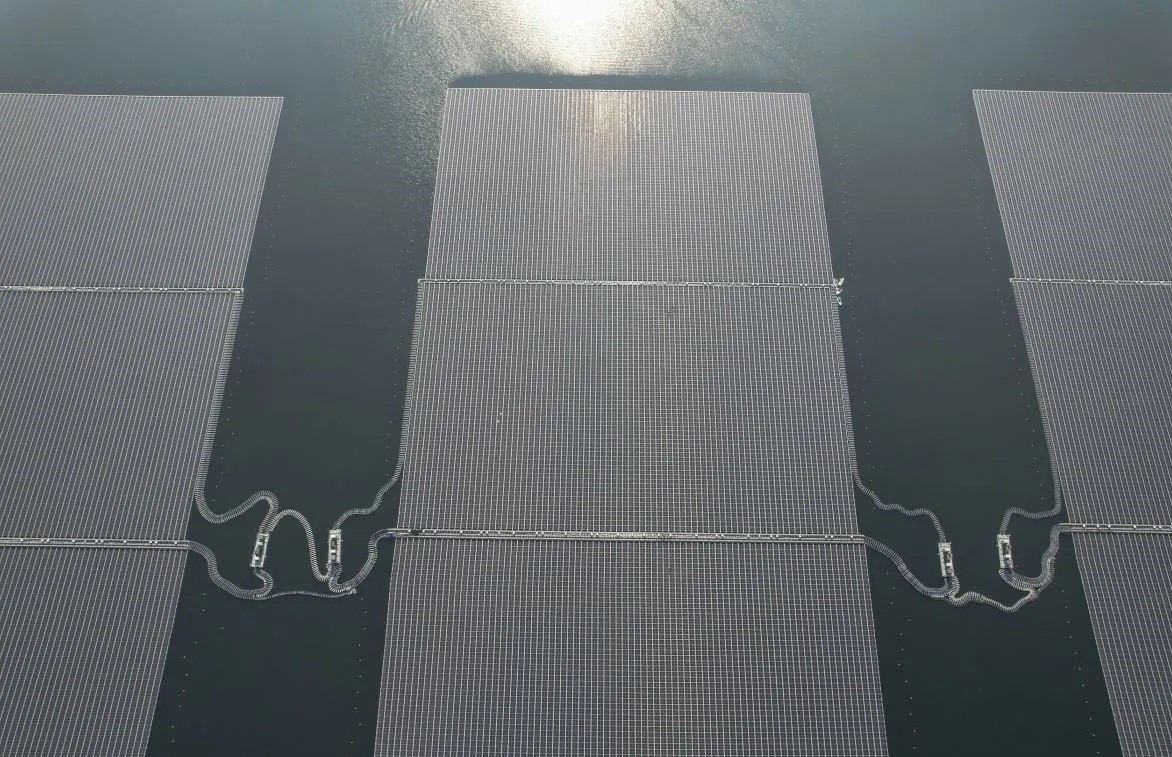
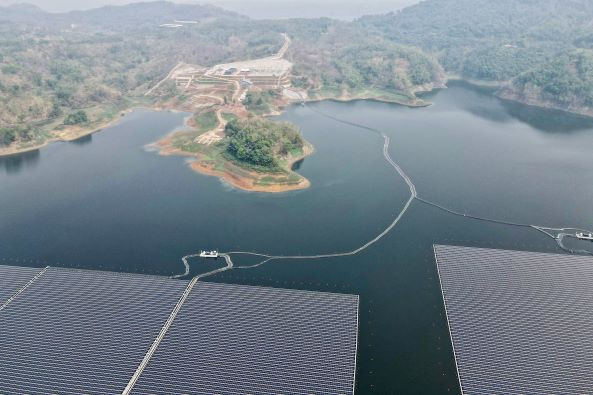
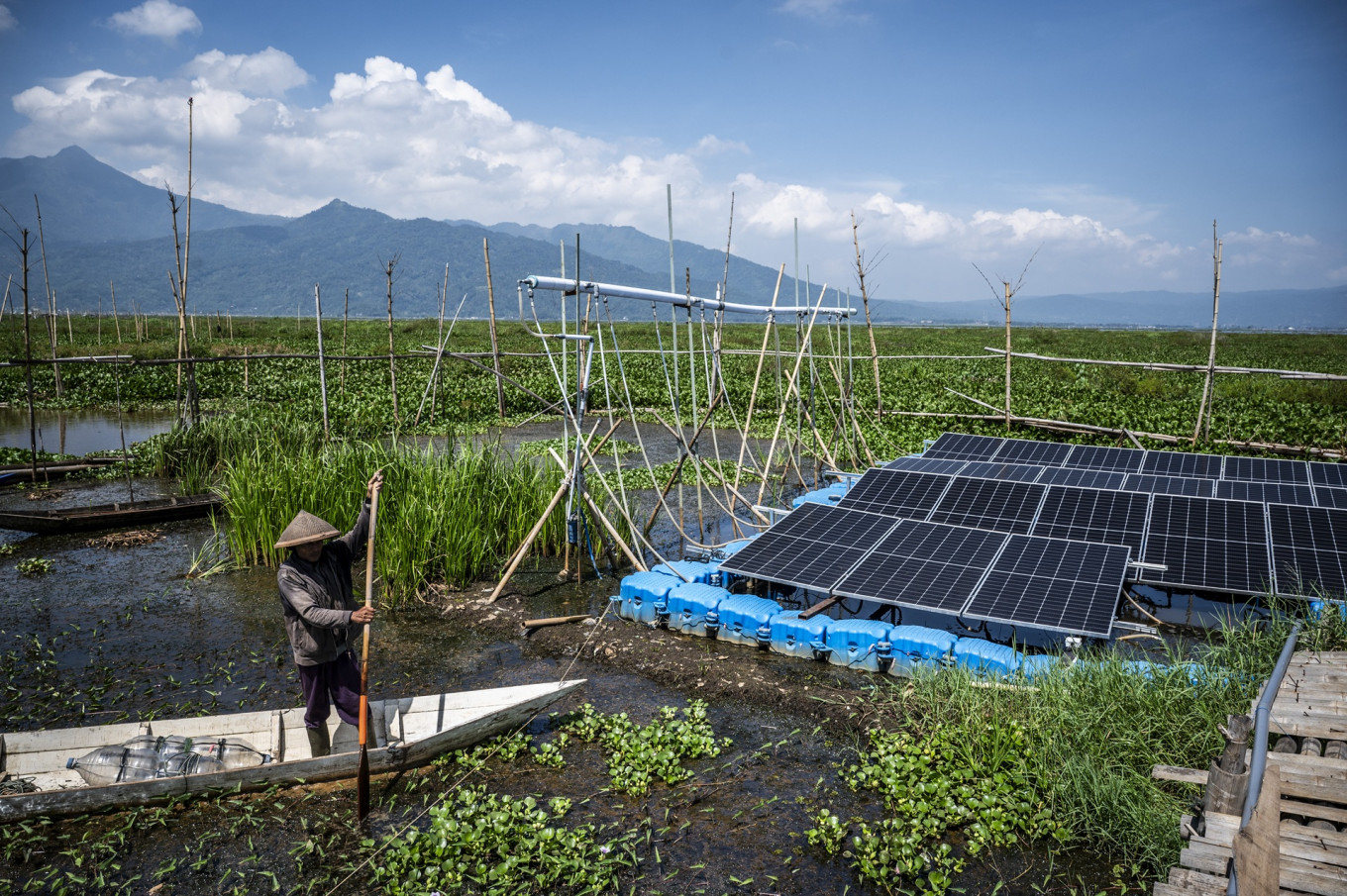
A farmer stands on a boat passing through solar panels installed as part of the Rawa Pening floating solar photovoltaic plant on Oct. 12, 2025, in Tuntang, Semarang regency, Central Java. (Antara/Aprillio Akbar)
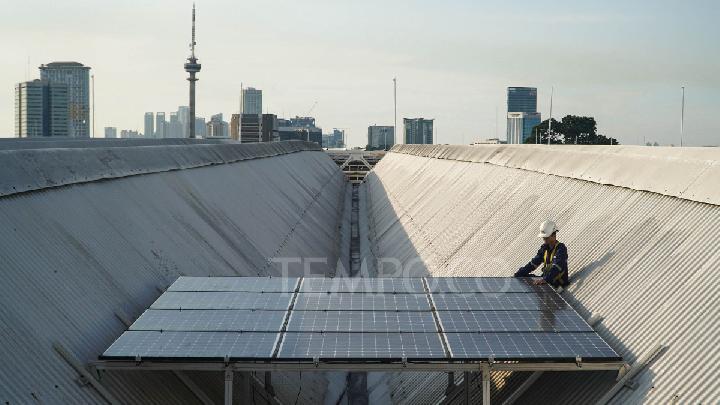
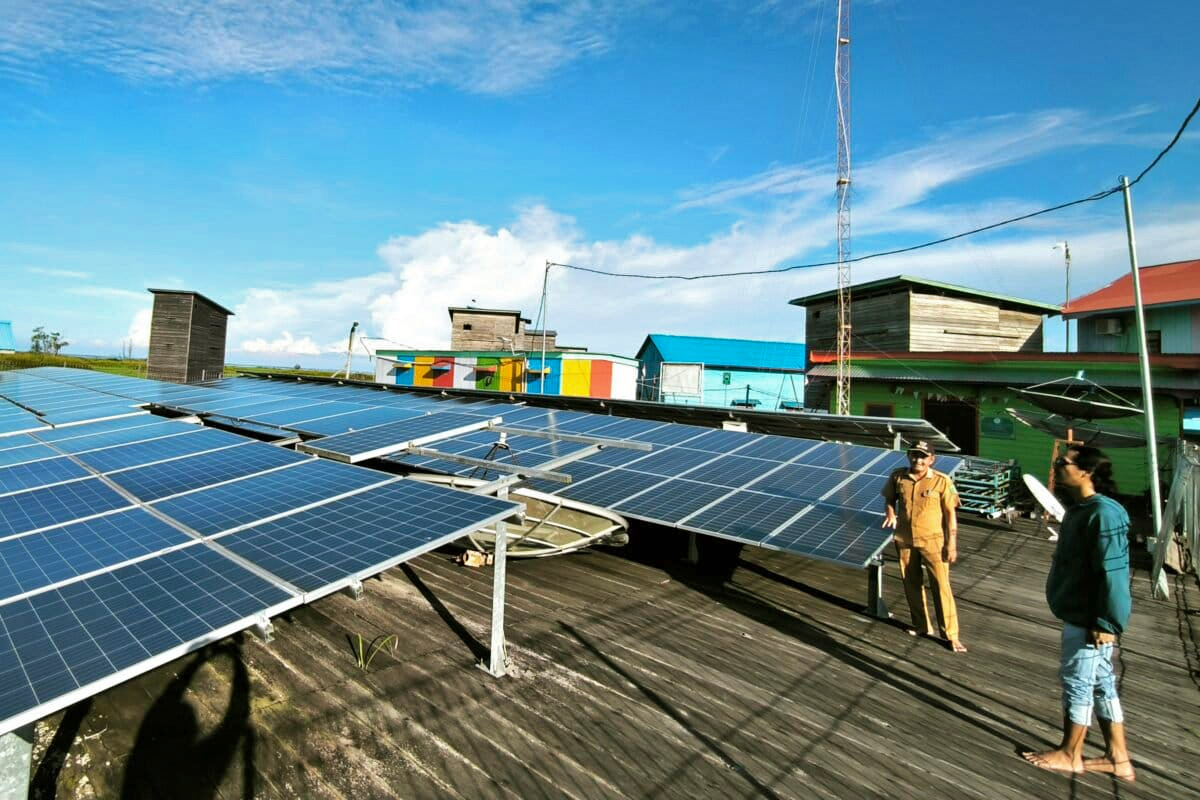
President Prabowo Subianto has set a target of 100 GW of solar power within two to three years, building on the 100 GW ambition the previous administration announced last year. Under the initial plan, 80 GW of decentralized solar, a 1 MW each will go into 80,000 villages, each paired with a 4-MWh battery energy storage system (BESS) to keep supply steady. The remaining 20 GW will come from centralized, utility-scale solar.Reintroduced amid the Strait of Hormuz crisis, the program is meant to do far more than extend electricity supply for the Red and White Cooperatives (KDMP). By swapping diesel for solar and storage and adding large-scale and rooftop capacity, it aims to strengthen energy security, cut our reliance on imported fuel, and push jobs and investment out to provinces far from Java, meeting the energy transition goal. For the first time, energy security, economic development and climate action are not being pursued through separate strategies, but through a single one, delivered as a single program.