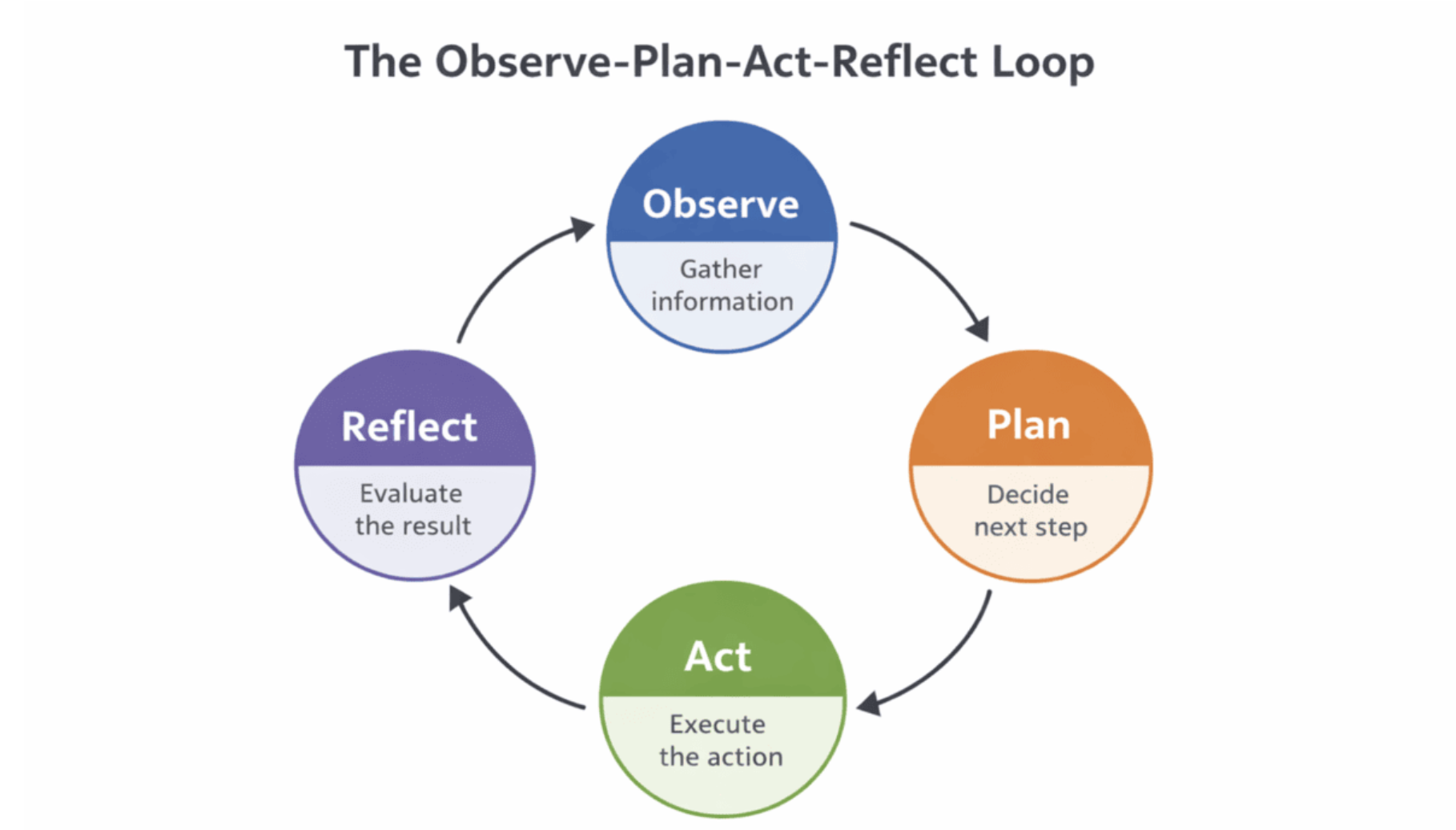
Watching an autonomous agent run through a loop of tasks is like watching a black box try to solve a puzzle in another room. You can see the final result, but the middle part—the reasoning, the failures, and that pivotal moment where it realizes its plan was garbage—is buried in thousands of lines of unstructured logs.
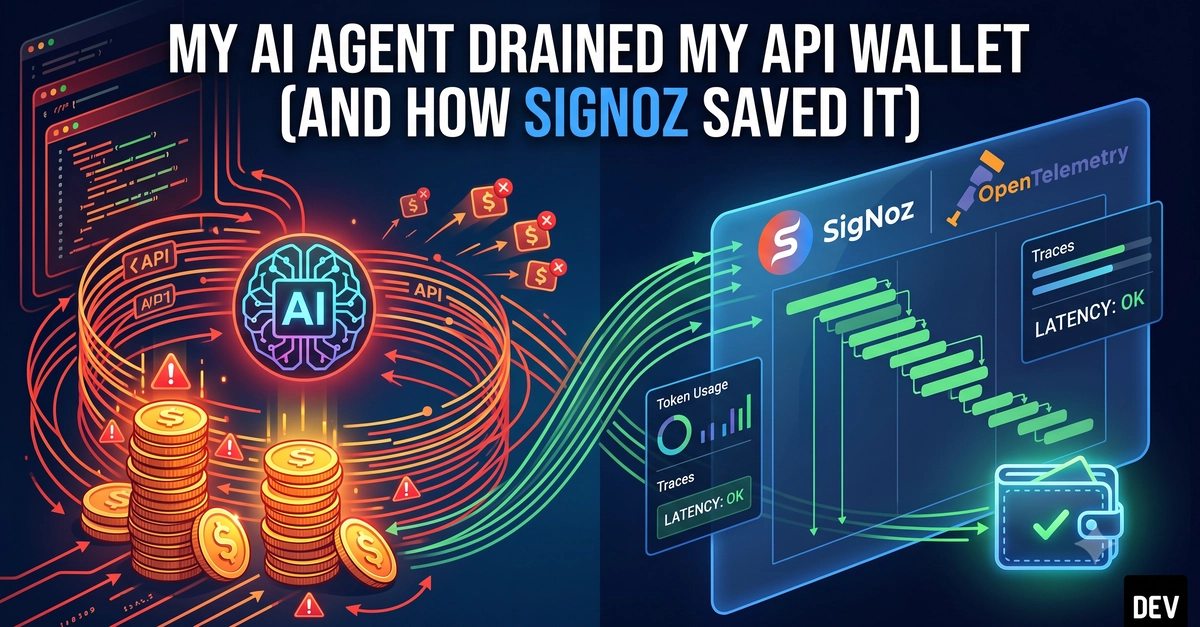
If you've ever deployed an agentic workflow only to check back an hour later and find it has been stuck in a high-latency loop of 'I made a mistake... let me try again' for forty minutes, you know the pain. You didn't have failure; you had expensive, silent repetition.
The problem with current LLM observability is that we focus too much on the input and output (the traces) and not enough on the internal state transitions of the agent itself. We need to quantify how often an agent is actually self-correcting versus just spinning its wheels.
I recently started working with a specific tool designed for this exact visibility gap: the Agent Self-Reflection & Sentiment Scanner.
The Observability Gap in Agentic Loops