Icite targets knowledge graphs to give AI agents the context needed for autonomous security workflows
Enterprise knowledge graphs are emerging as a key foundation for organizations, giving AI systems the context needed to make better decisions. As cybersecurity teams modernize operations, combining graph data with real-time identity intelligence is helping reduce false positives and enable more autonomous security workflows.
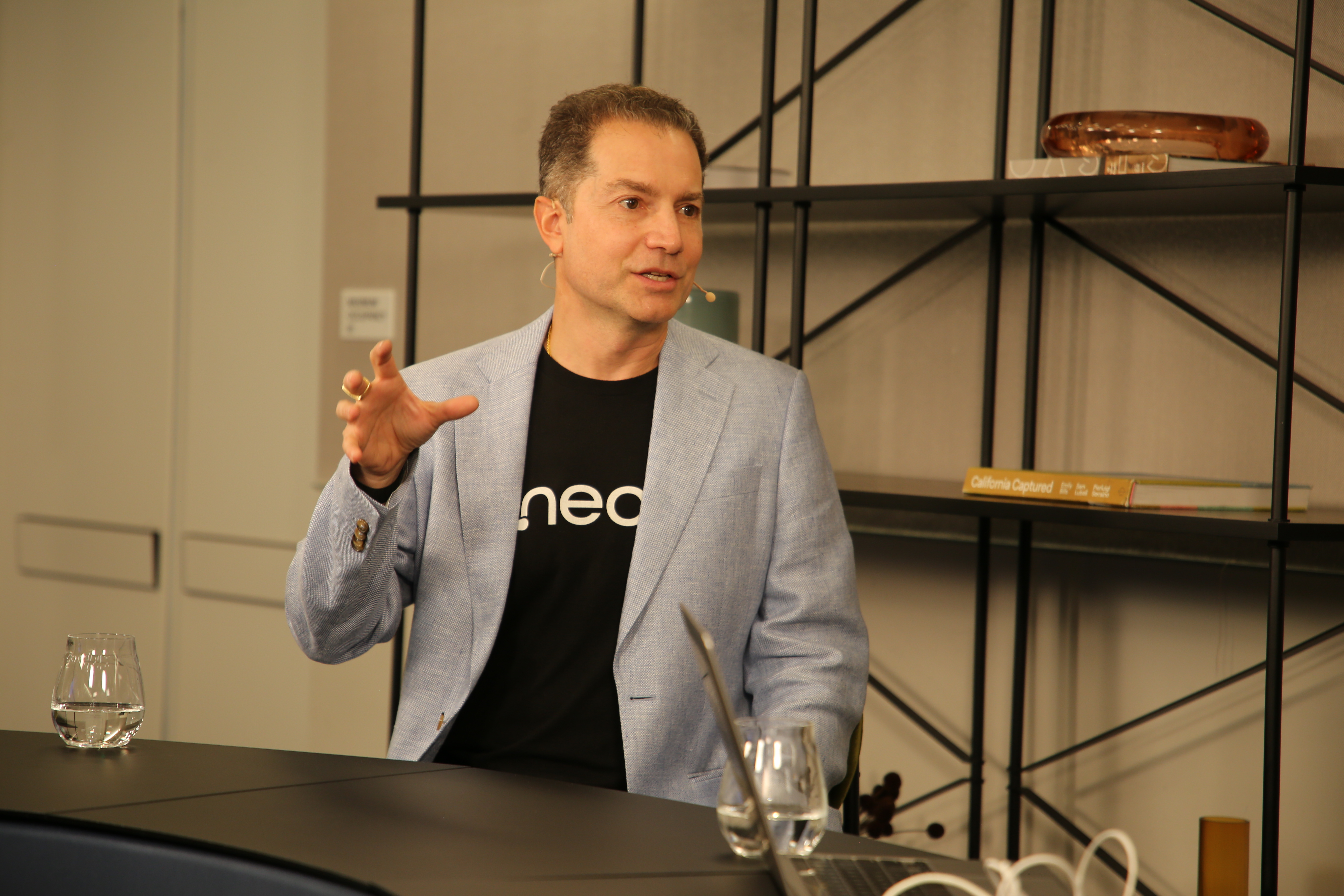
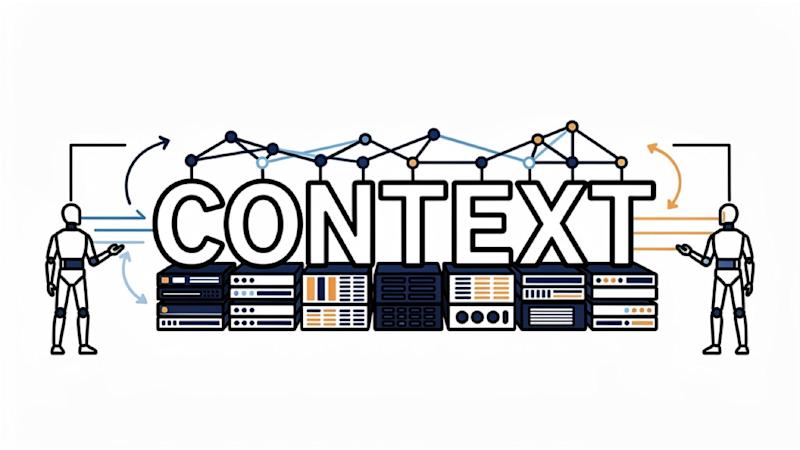
AI agents are only as successful as the data, memory and context they’re given, which means a graph-based knowledge layer is crucial. Rather than pointing agents at raw data, there’s a need for deterministic data they can traverse deliberately with guardrails to avoid hallucinations, according to Wes Mullins (pictured), founder and chief executive officer of Icite Inc.
“That is really the core of what the Icite product does, because of that ability to have the knowledge layer, have our agents traverse it,” Mullins said. “We consume all of our customers’ data, but we normalize it. We massage it in our format that we want, and that’s how our agents are able to do it.”
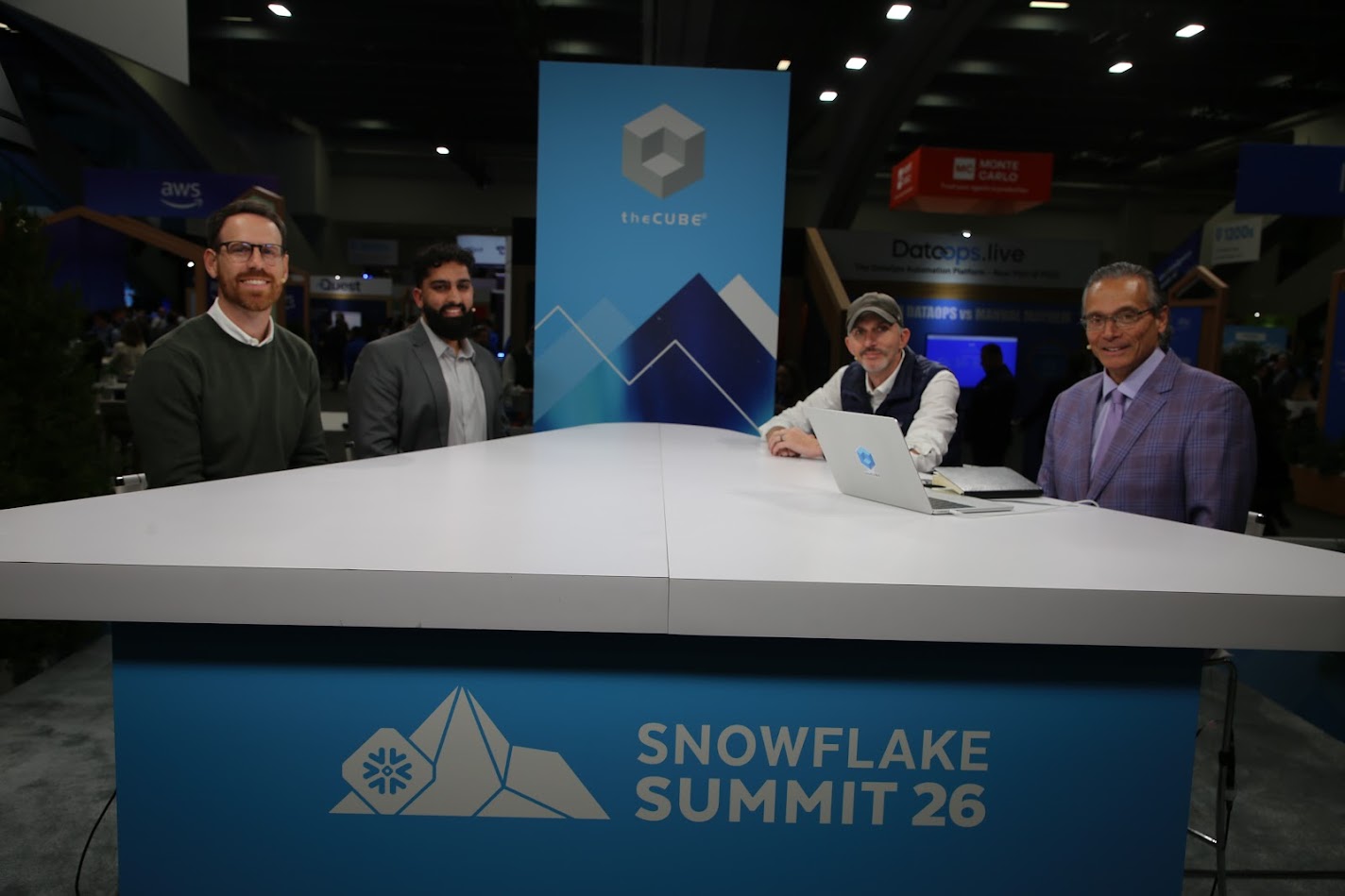
Mullins spoke with theCUBE’s John Furrier at the Neo4j GraphTalk event, during an exclusive broadcast on theCUBE, SiliconANGLE Media’s livestreaming studio. They discussed the role of enterprise knowledge graphs and graph-based knowledge layers in improving AI agent performance, while using identity intelligence to deliver more accurate cybersecurity detection and investigations. (* Disclosure below.)