Presented by Google CloudFor decades, enterprise data infrastructure focused on answering the question: “What happened in our business?” Business intelligence tools, data warehouses, and pipelines were built to surface historical trends and performance snapshots, revealing past sales figures, customer patterns, and operational metrics. These systems worked well when decisions were driven by dashboards and quarterly reports.But artificial intelligence has changed the game. Today’s most powerful systems don’t just summarize the past; they make real-time decisions. They go beyond static observation to dynamic reasoning -- not just answering what happened, but answering why they happened, what is likely to happen and, most critically, what action should be taken next.Enterprises are realizing that traditional architectures, even in the cloud, are not enough. AI needs more than access to data. It requires access to meaning and it needs to drive business outcomes for decision makers.That’s where knowledge graphs come in.The hidden layer that makes AI workThere is a deeper “semantic” layer that is fundamental to AI success. How do enterprises take their data assets and expose the context, relationships, and metadata that allows AI models to infer deeper reasoning?
AI Is rewriting the data playbook -- and knowledge graphs are page one
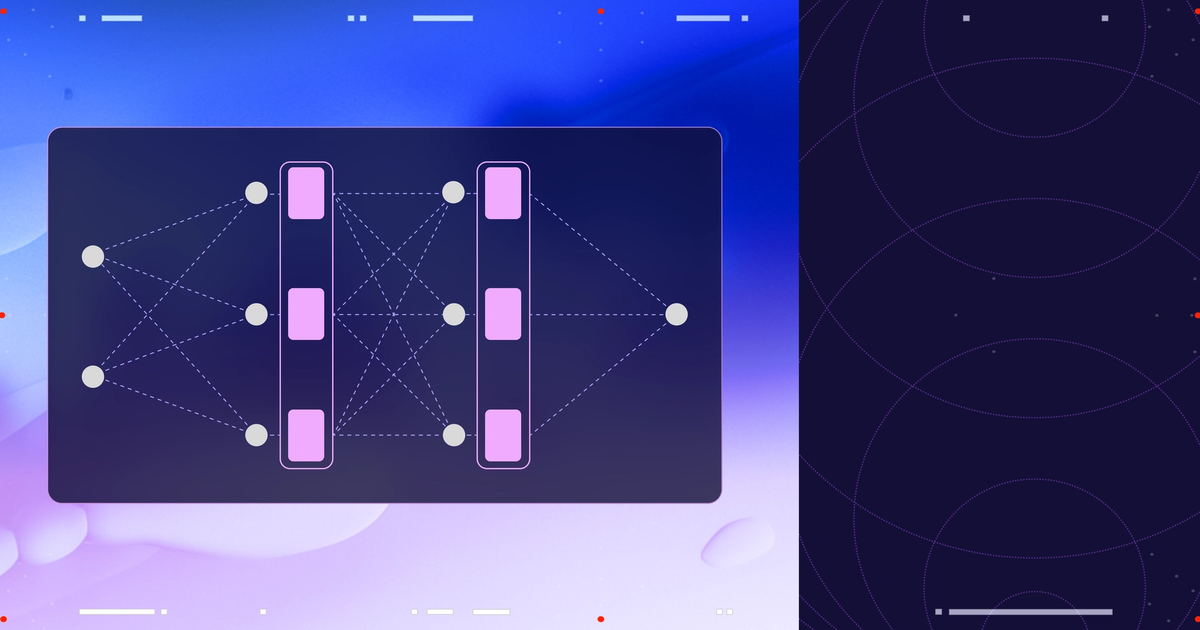
Unlike traditional databases, knowledge graphs organize information as nodes and edges, making them better for AI systems that reason & infer.
811 words~4 min read