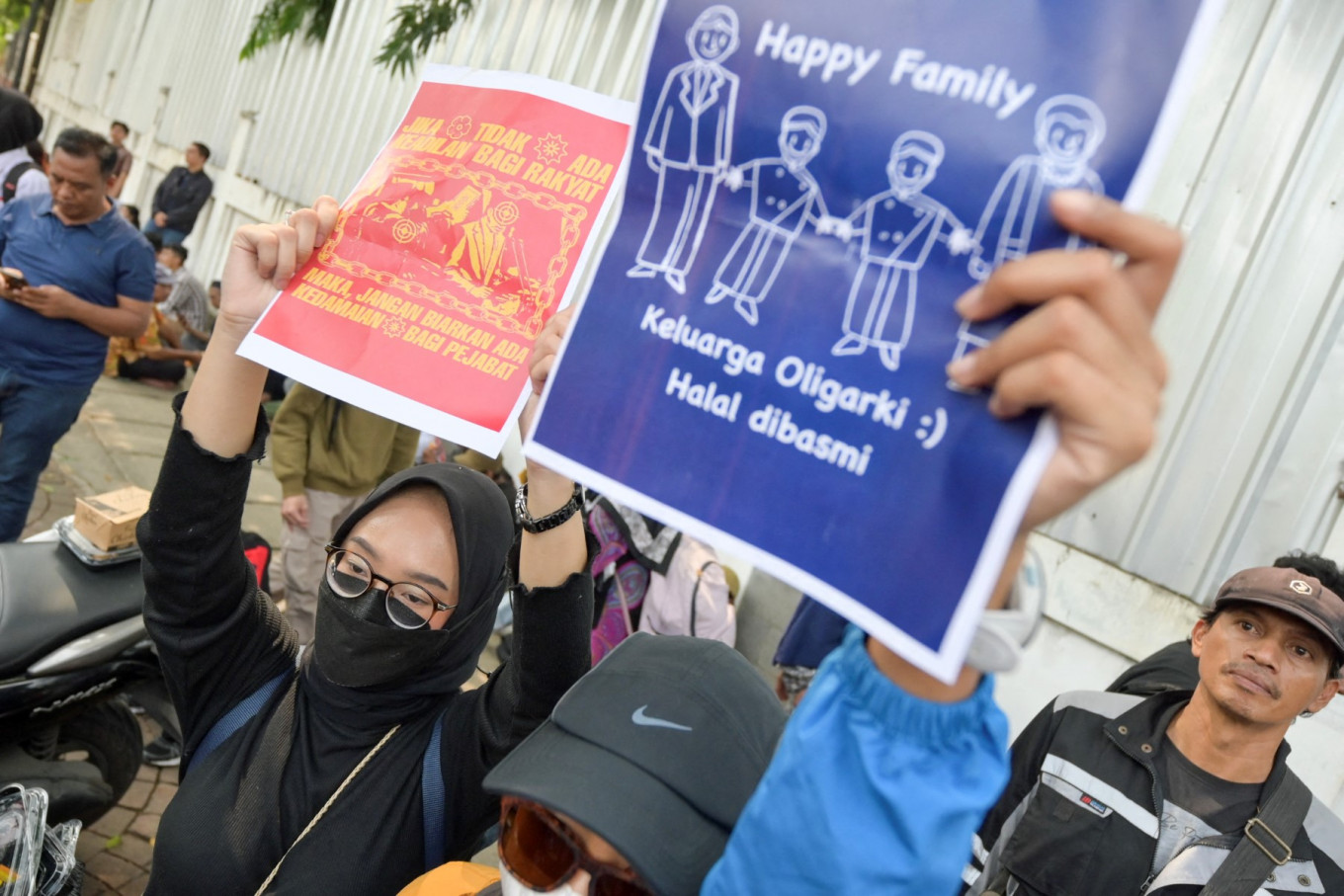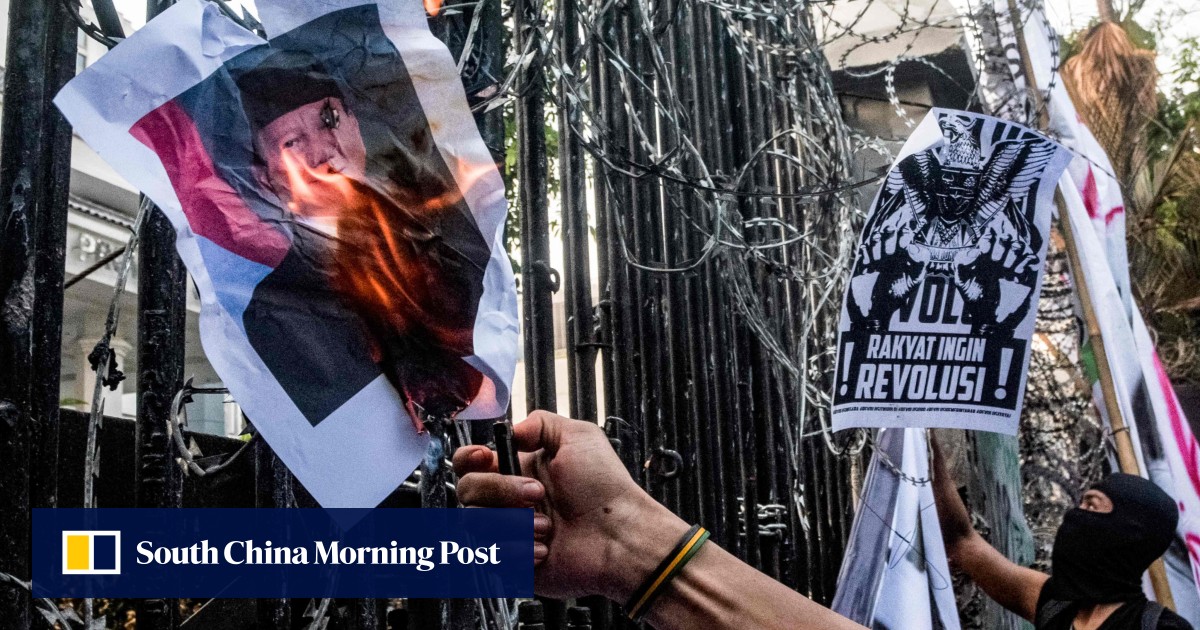
The revival of strongman politics in Indonesia is not driven by the agendas of individual presidents alone, but has been enabled by the evolution of its political parties in a personalistic direction since the stabilisation of democracy in the 2000s. These increasingly internally undemocratic parties weaken the broader democracy by reducing elite constraints and citizen accountability — while simultaneously normalising anti-democratic behaviour by seeking electoral advantage through polarisation and partisanship.
In this sense, Indonesia’s democratic backsliding, which turned into an authoritarianism revival, has been driven less by individual leaders alone than by the pragmatism of political parties themselves.
Indonesia’s problem lies not in the behaviour of a single personalist party, but rather that the party system as a whole has become dominated by ‘catch-all’ personalistic parties that prioritise short-term electoral gains and personalised leadership over programmatic clarity and institutional accountability.
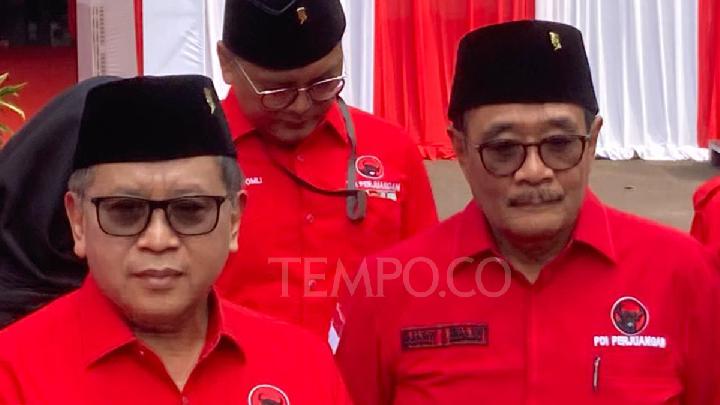
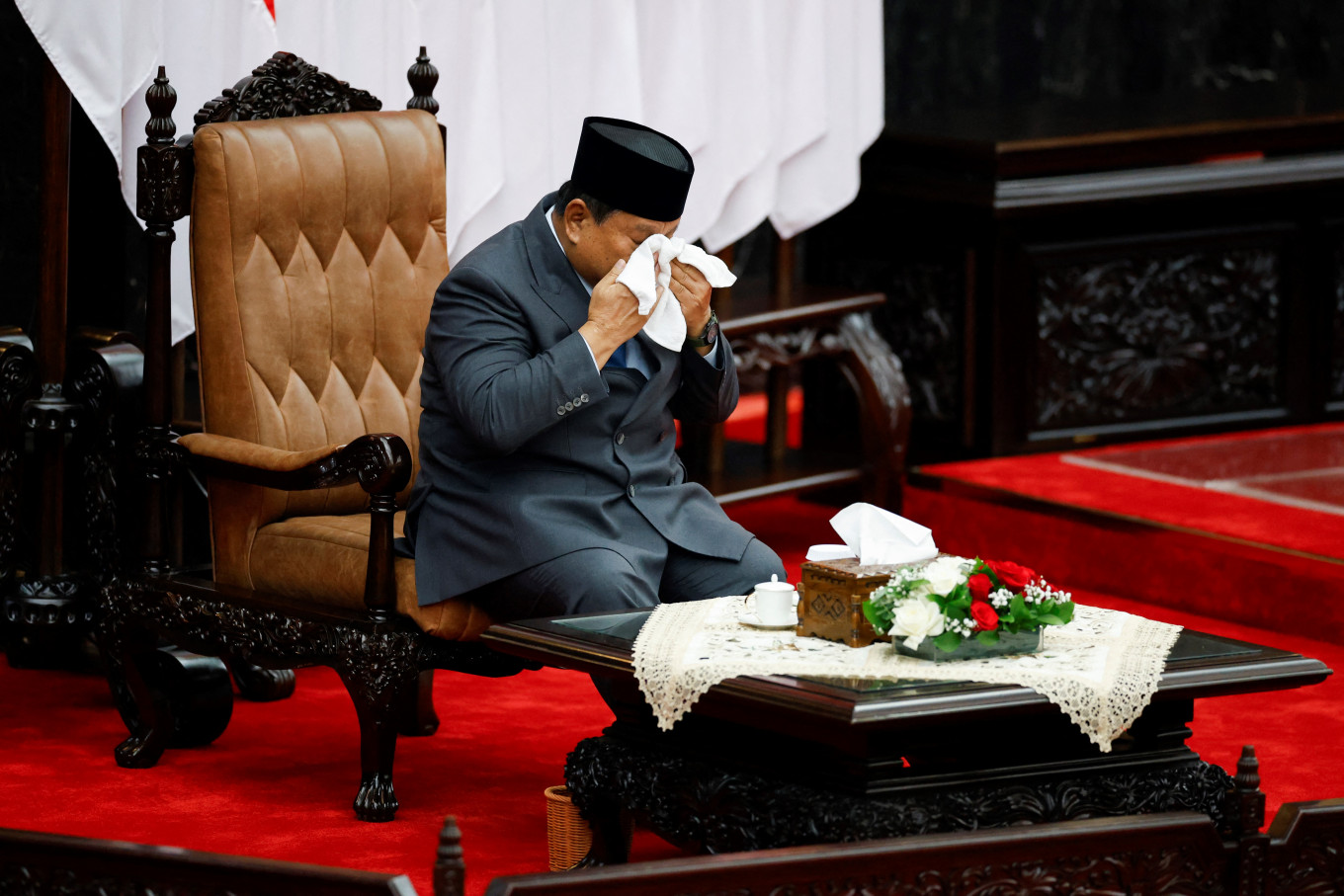
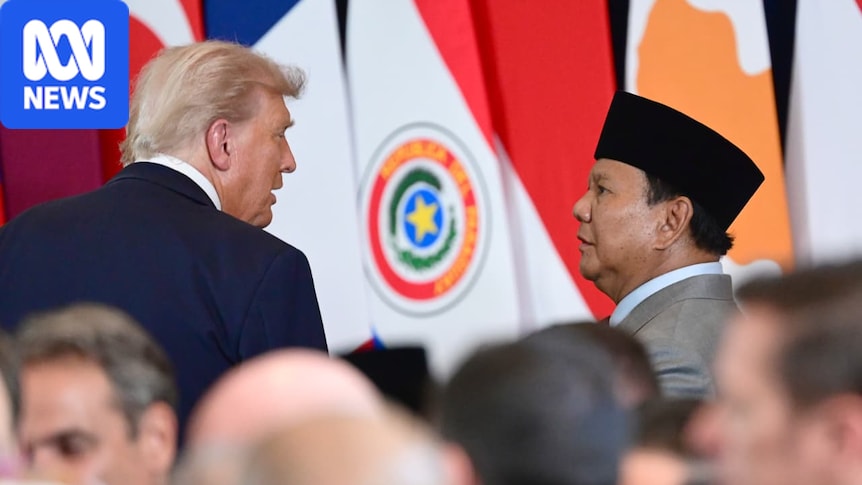
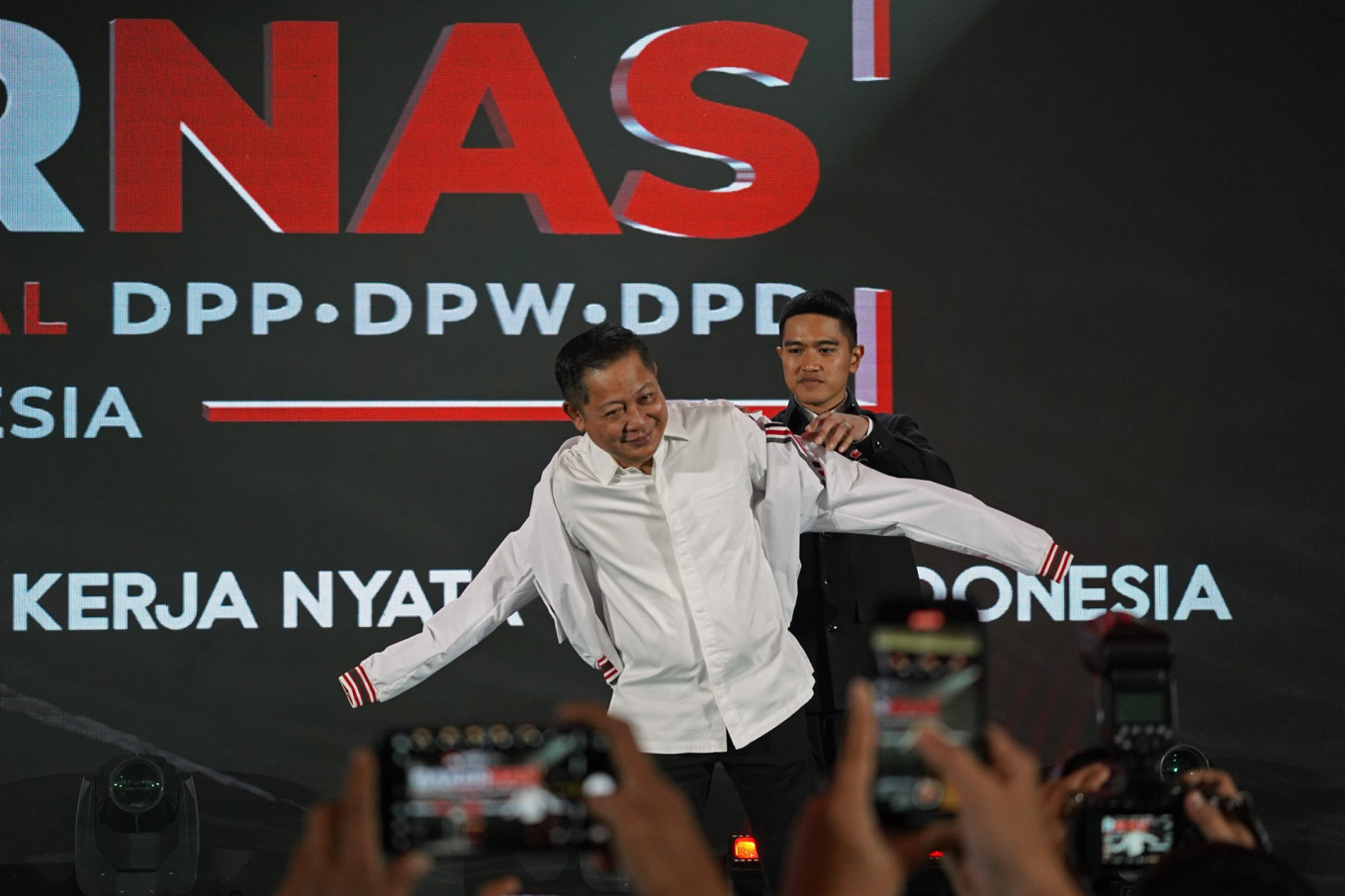
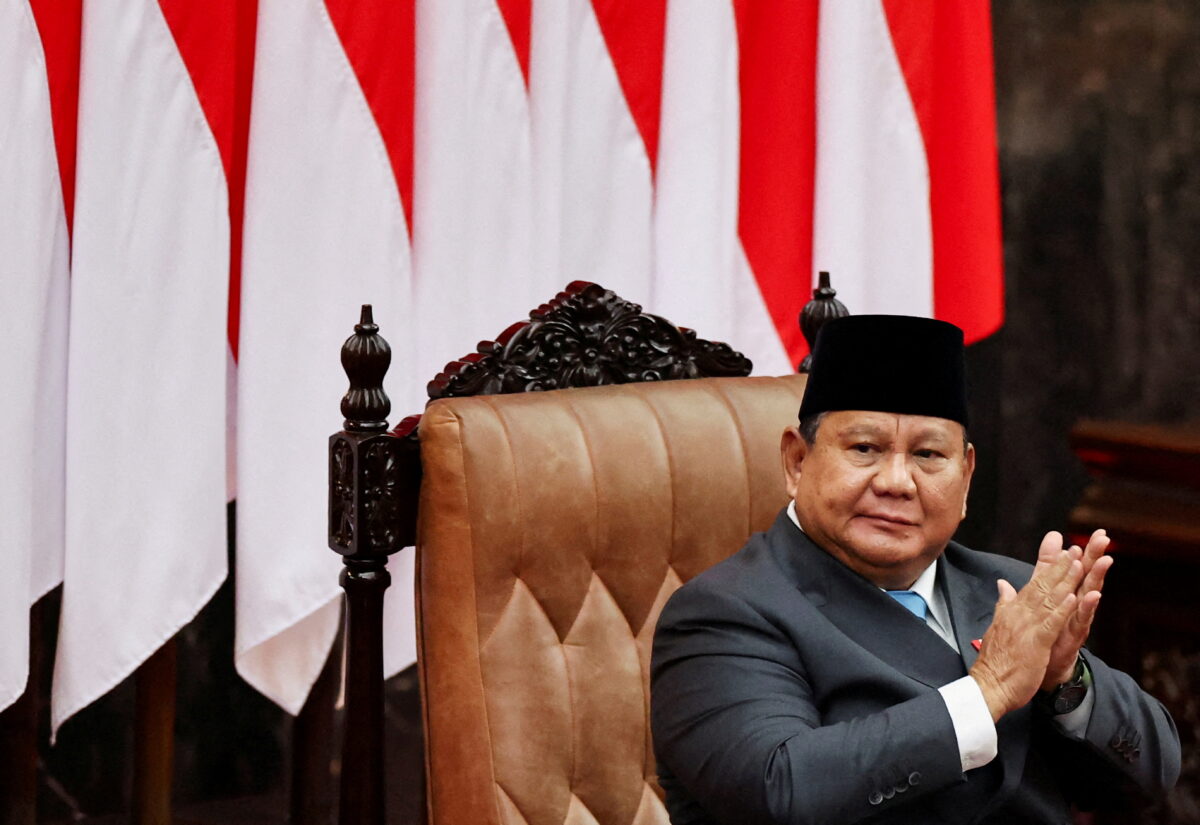
The Gerindra Party exists to serve President Prabowo Subianto. The Nasdem Party was built around tycoon Surya Paloh. The Democratic Party is inseparable from the family of former president Susilo Bambang Yudhoyono. Hanura was former military commander Wiranto’s vehicle. Former president Joko Widodo (or Jokowi) uses the Indonesian Solidarity Party as his political vehicle after dissociating from the PDI-P. The latter party is most closely identified with Sukarno-style ideology and anchored by a more prominent cadre structure and a social base. But even it has grown increasingly dynastic and personalistic under the leadership of former president Megawati Sukarnoputri and her daughter, Puan Maharani.