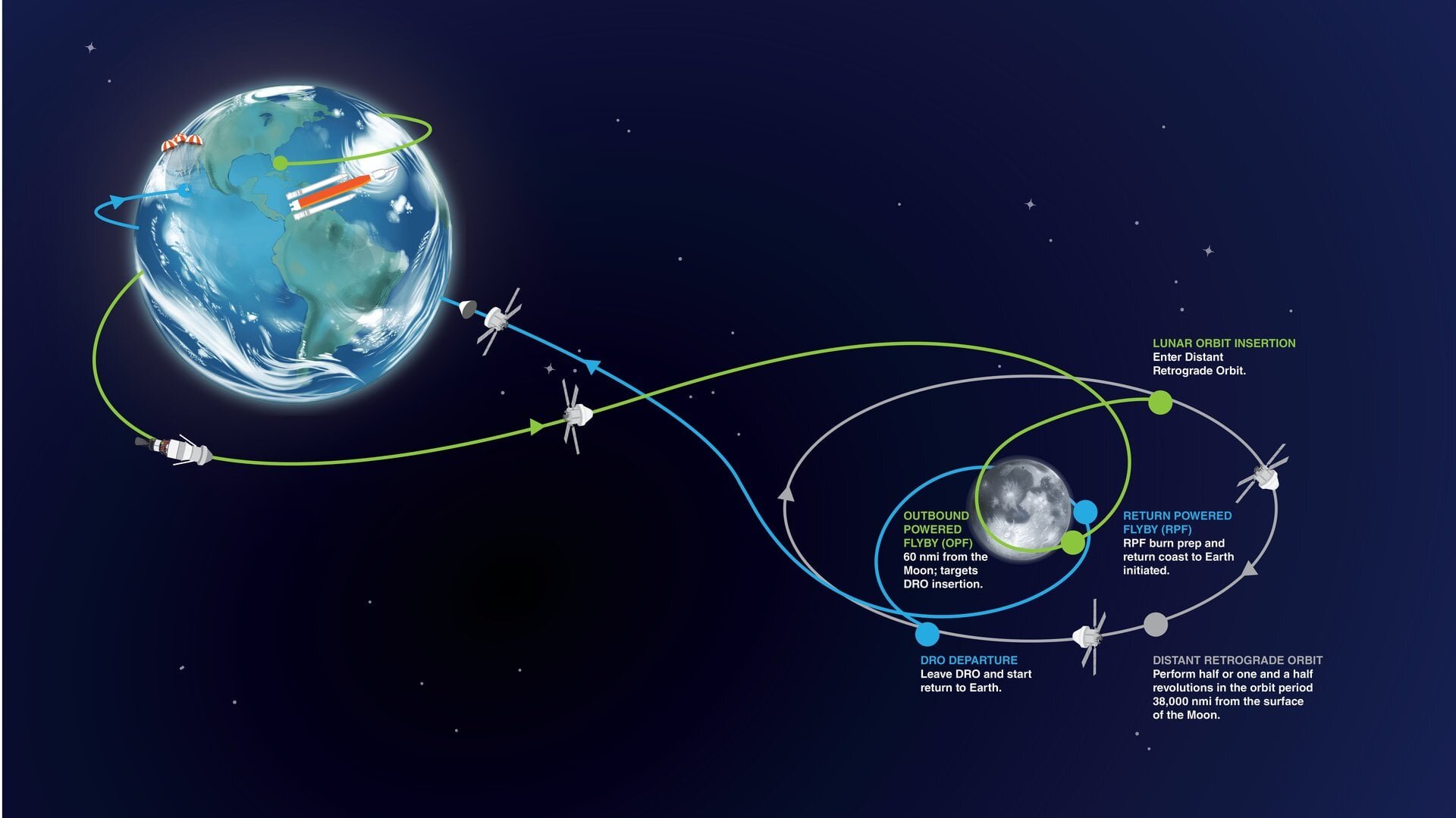
Diagram of the flight path and retrograde orbit of the Artemis I mission that took it around the moon. Credit: NASA
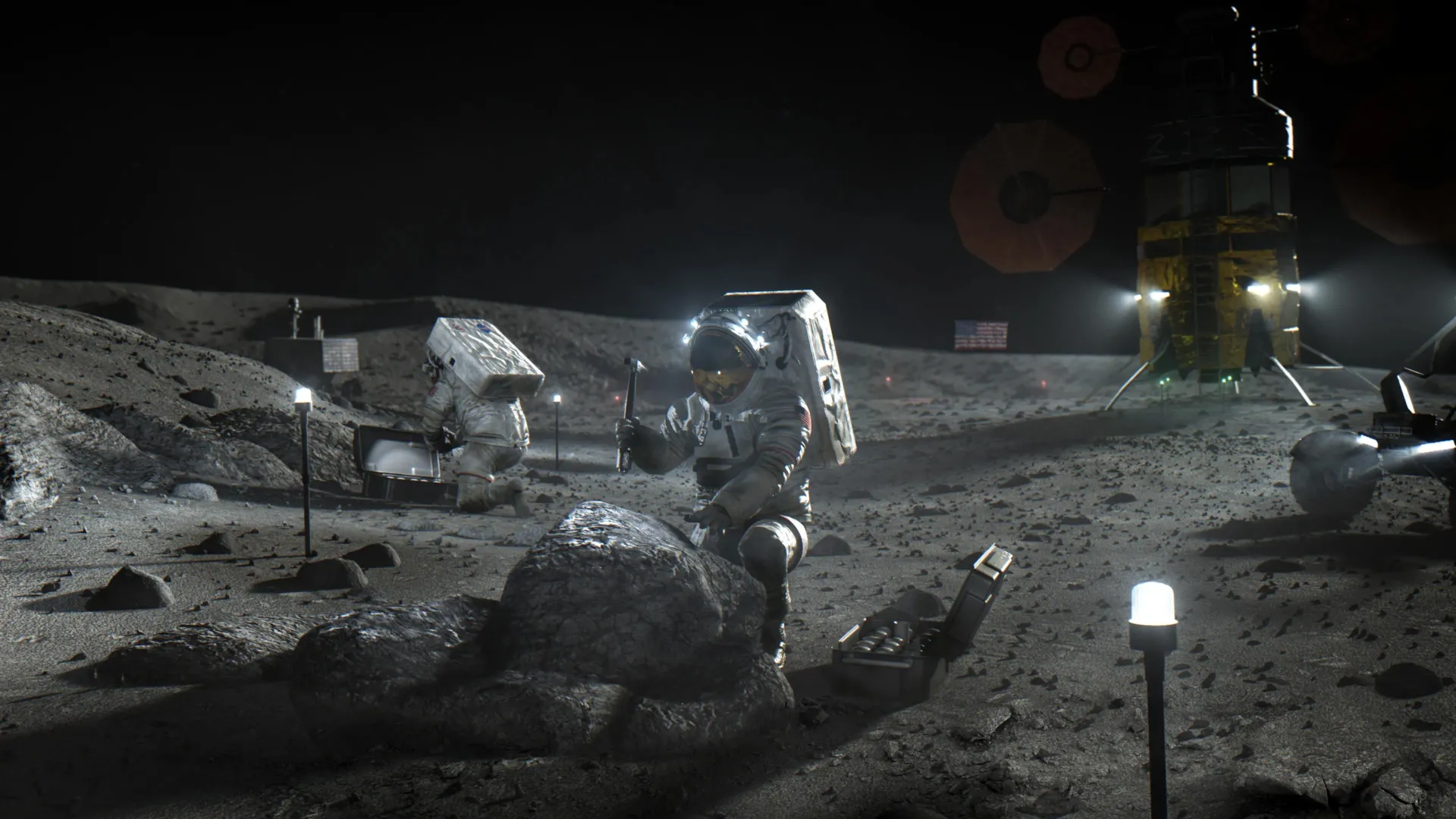
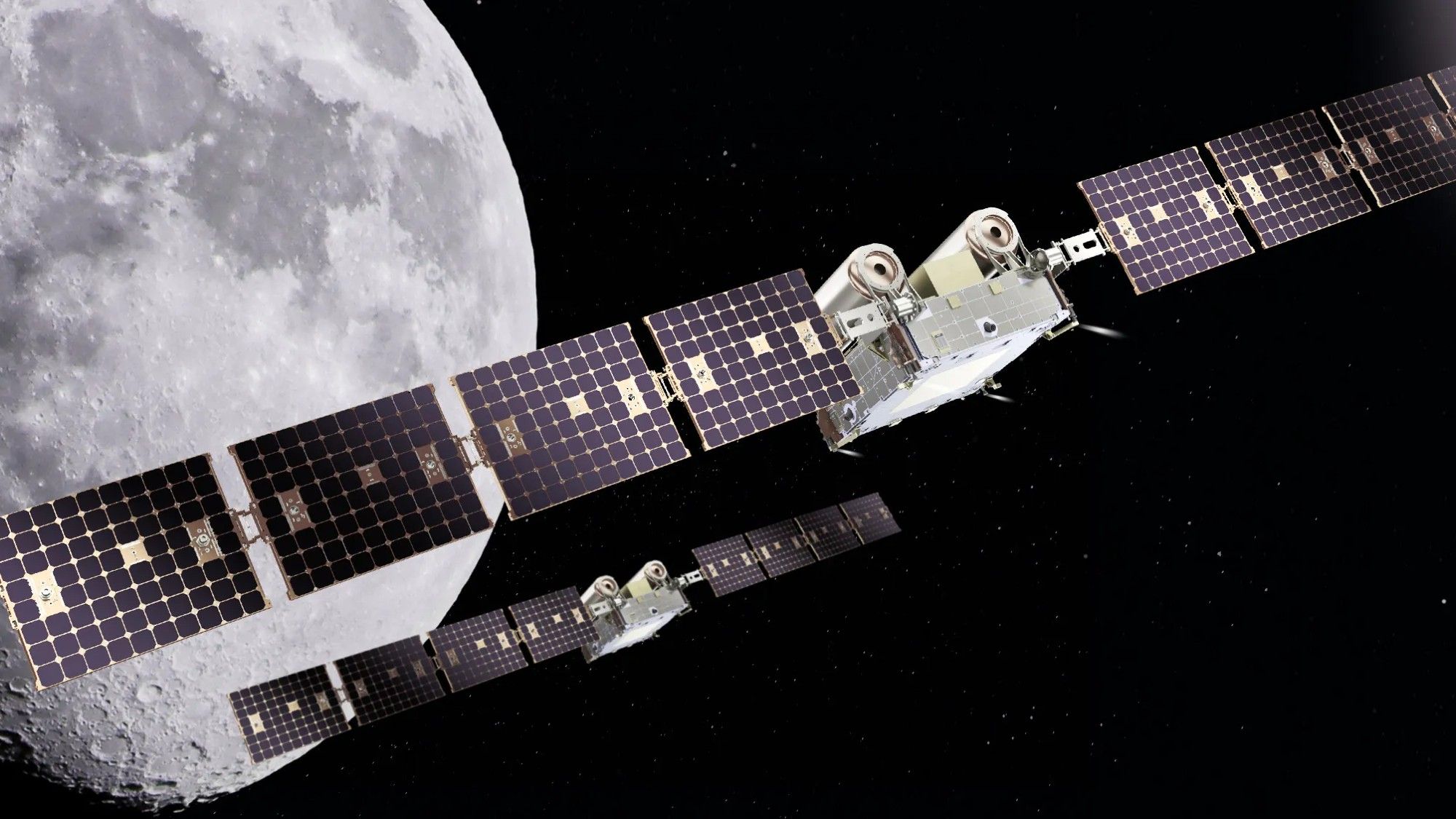
Cislunar space has become the focal point of considerable interest and strategic planning because of the many proposed missions to send crews to the moon in the next decade. These include NASA's Artemis program, China and Russia's International Lunar Research Station (ILRS), the European Space Agency's Argonaut program and others. The long-term goals of these programs include creating infrastructure between Earth and the moon that will facilitate continued exploration and even development.
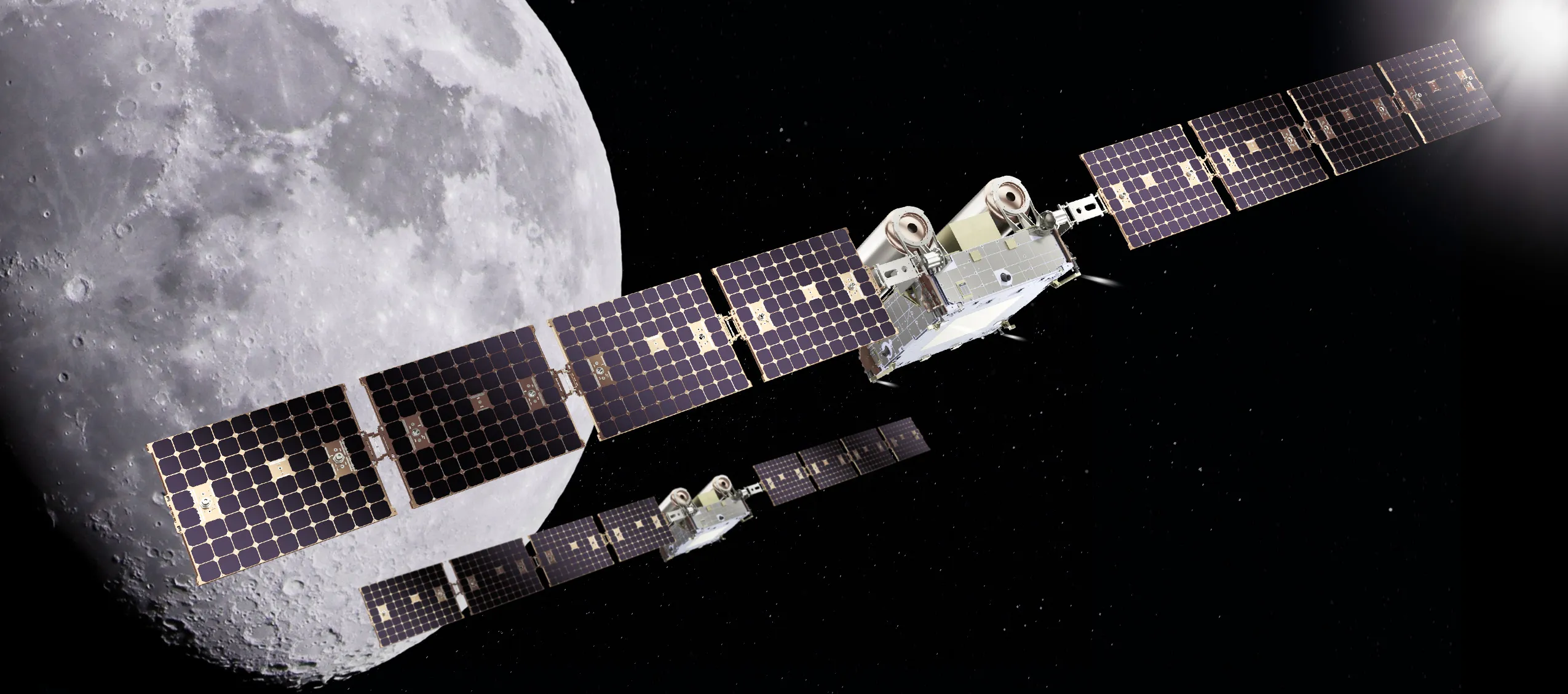
As a result, it is imperative to investigate the orbits of debris objects to determine whether any pose a collision risk. In a recent paper posted to the arXiv preprint server, a team of researchers from the Chinese Academy of Sciences (CAS) studied the dispersion of debris clouds from objects in distant retrograde orbits (DROs) following a collision. Their findings offer insight into debris evolution within the Earth–moon system that could lead to safety guidelines and mitigation strategies for future missions bound for the moon.
Lunar traffic is building fast
In recent years, international missions to the moon have surged, reflecting the growing presence of national and commercial entities in space. These include China's Longjiang-2 orbiter and more recent missions in the Chang'e program. There are also the Indian Space Research Organisation's (ISRO) Chandrayaan-2 and -3 orbiters, South Korea's Danuri orbiter, Israel's Beresheet lander and Japan's Hakuto-R Mission 1.