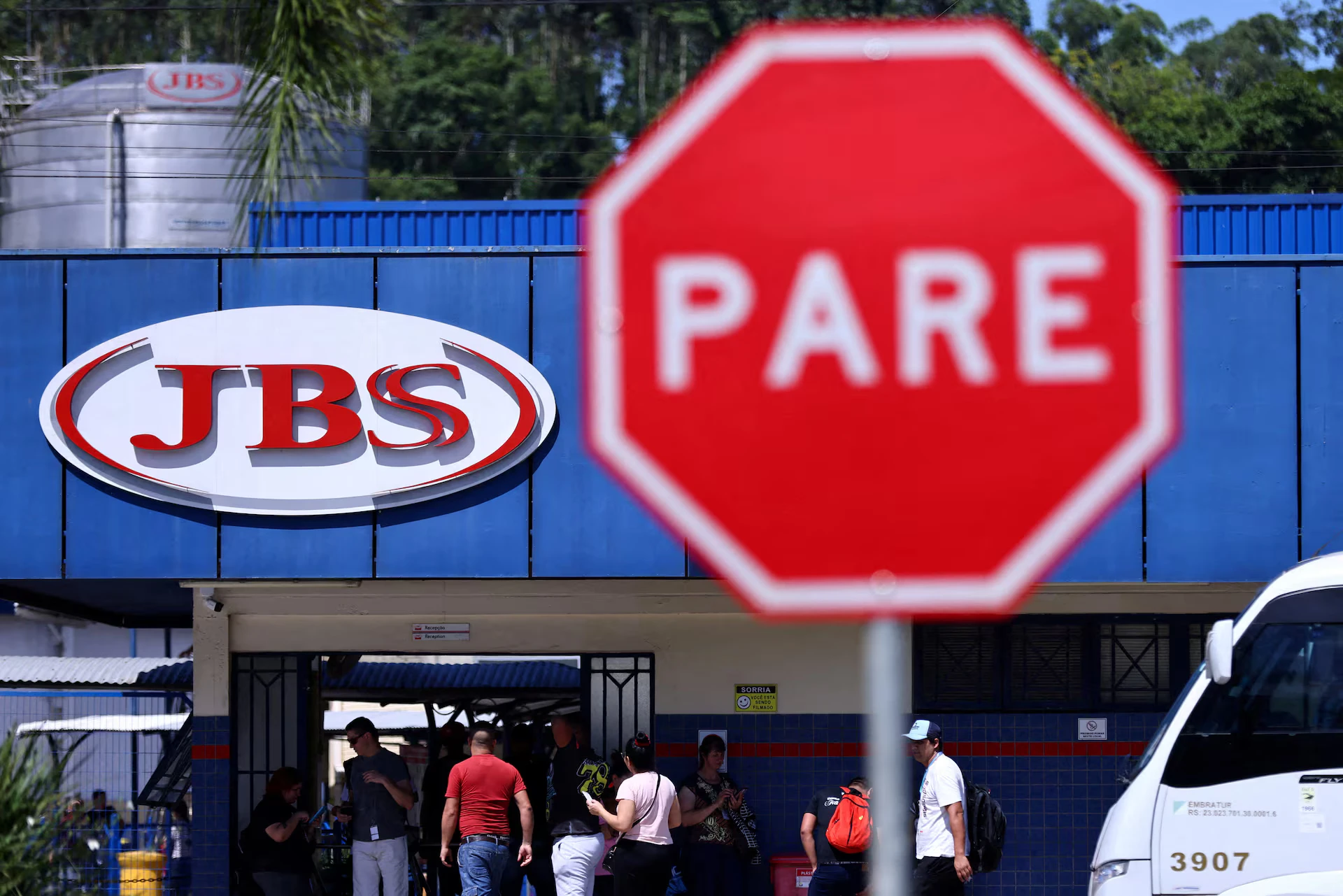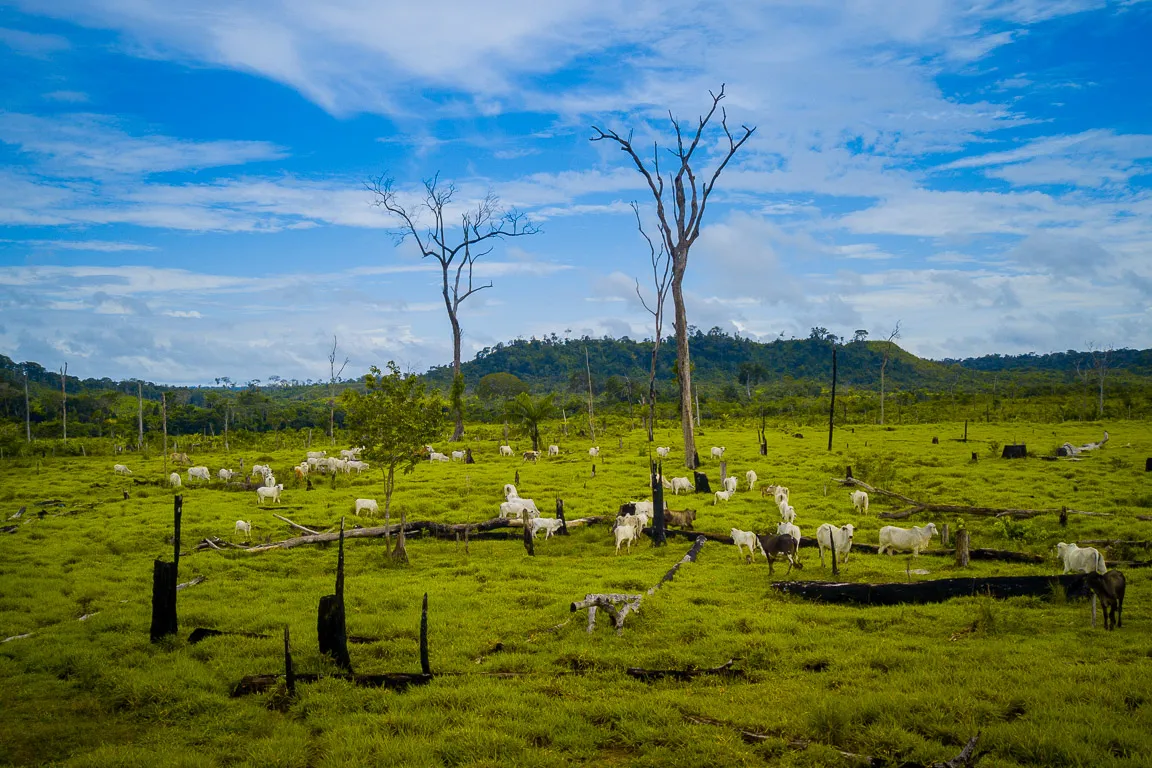
The world’s largest meat company is pursuing a $2.5 billion investment that could reshape Nigeria’s agricultural sector.Critics are calling for greater transparency about this plan and point to JBS’ legacy in the Amazon of deforestation, land grabbing, forced labor, invasions of Indigenous territories, intimidation and violence against small-scale farmers, among other concerns.“The central issue is not whether Nigeria should welcome investment, but whether a project of this scale will be subjected to the level of transparency, scrutiny, and due diligence needed to ensure that its benefits do not come with avoidable environmental and human rights costs,” argues an expert with Climate Rights International.This article is a commentary. The views expressed are those of the author, not necessarily of Mongabay.
Nigeria may soon become the site of one of the largest livestock investments in its history. JBS, the world’s largest meat company, is pursuing a reported $2.5 billion investment that could reshape parts of the country’s agricultural sector. The proposal has been welcomed by many for its potential economic benefits, but before it moves forward, Nigerians deserve clear answers about what it could mean for communities, land, water, and the climate.