The world’s largest meatpacker had a long journey to the U.S. stock market, one full of reports of greenwashing and corruption.After debuting on the NYSE, the company plans to use its new access to Wall Street capital to expand operations in the United States, Brazil and Australia.Recently, it’s broadening its global footprint, with new plants in Nigeria, Vietnam and Saudi Arabia.Critics warn of environmental risks with JBS’ expansion and say the new listing could lead to more scrutiny from the U.S. Congress and courts.
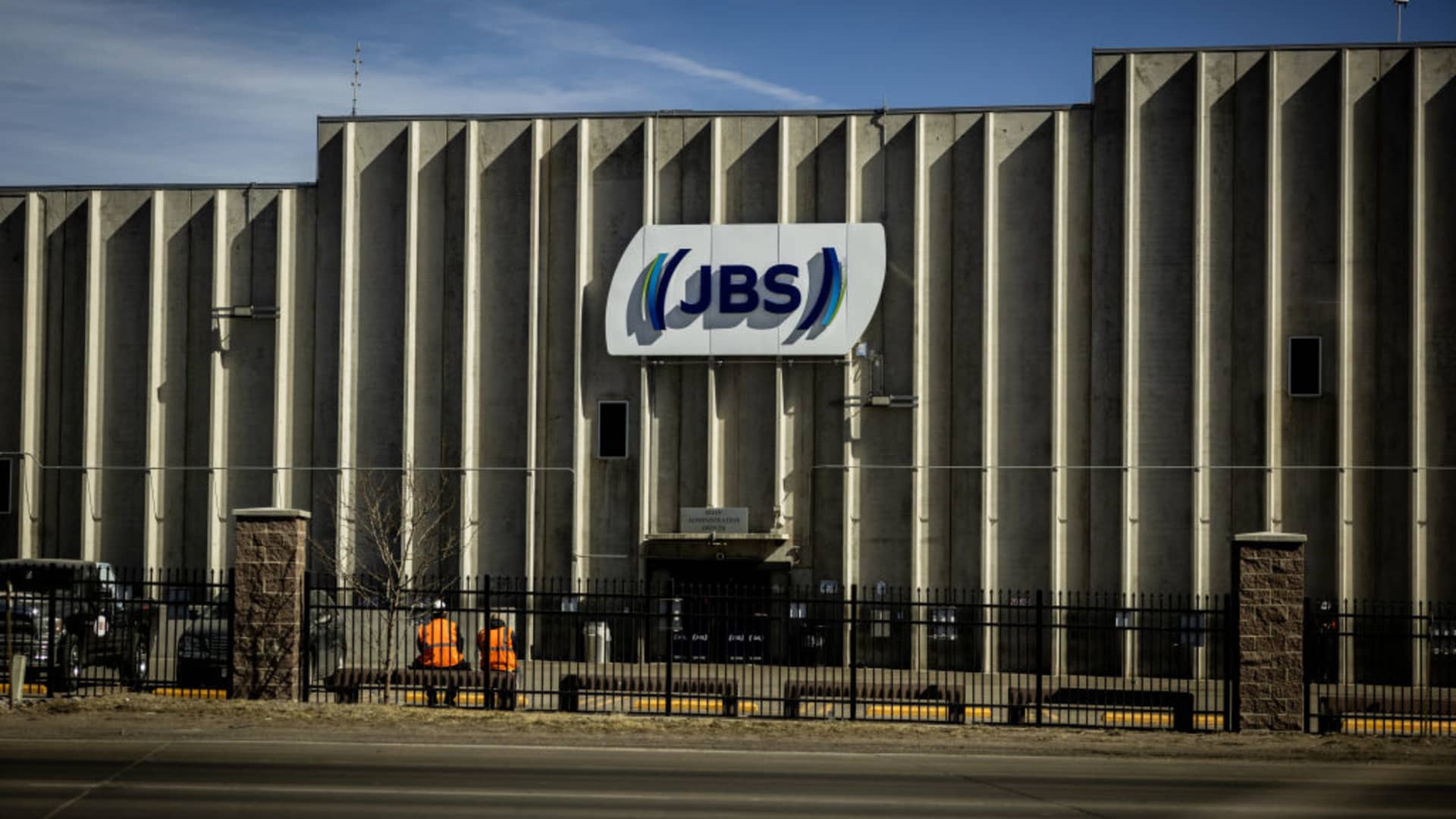
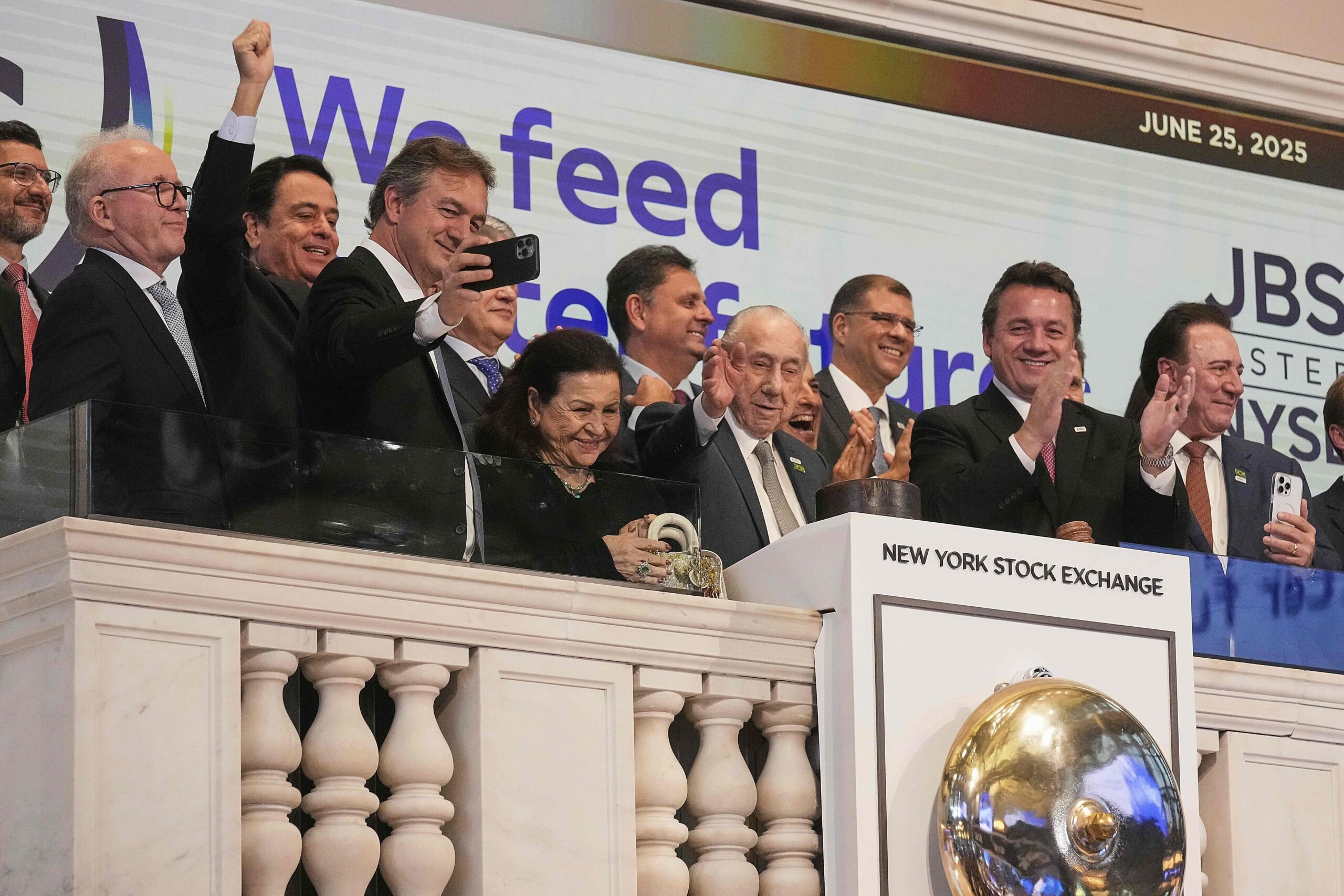
On June 25, JBS (NYSE: JBS) founder José Batista Sobrinho, also known as Zé Mineiro, rang the opening bell at the New York Stock Exchange (NYSE) to applause. The ceremony culminated a yearslong effort by the Brazilian meatpacking giant to achieve a dual listing on both the Brazilian and U.S. stock exchanges. The long journey that began back in 2009 was marked by environmental violations, corruption scandals and greenwashing allegations.
Finally reaching American investors, analysts say, marks a new era for the company under the direction of Sobrinho’s sons, the meatpacking brothers Joesley and Wesley Batista, who serve as the controlling shareholders, board members and executives. The listing will pave the way for considerable growth and expansion for the corporation, already the world’s largest meat producer by revenue. But the public offering will also generate greater scrutiny of its global operations.