Academia
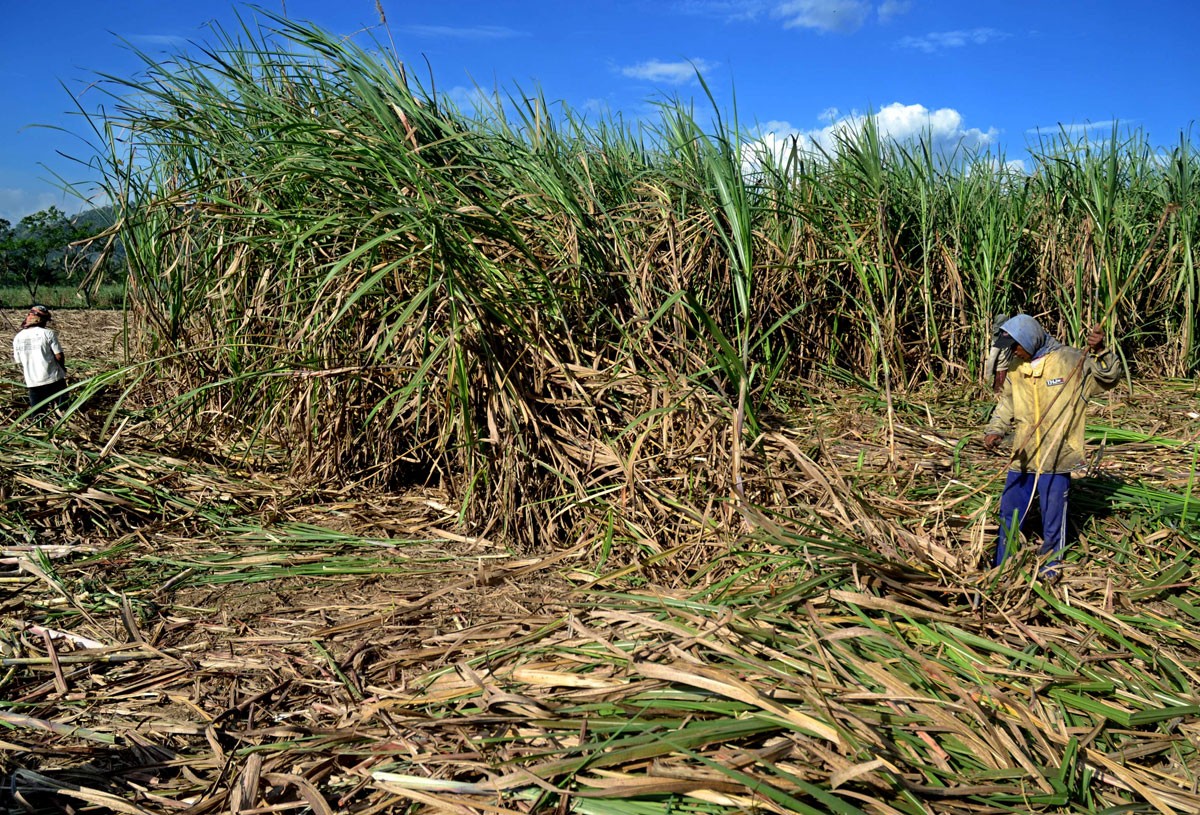
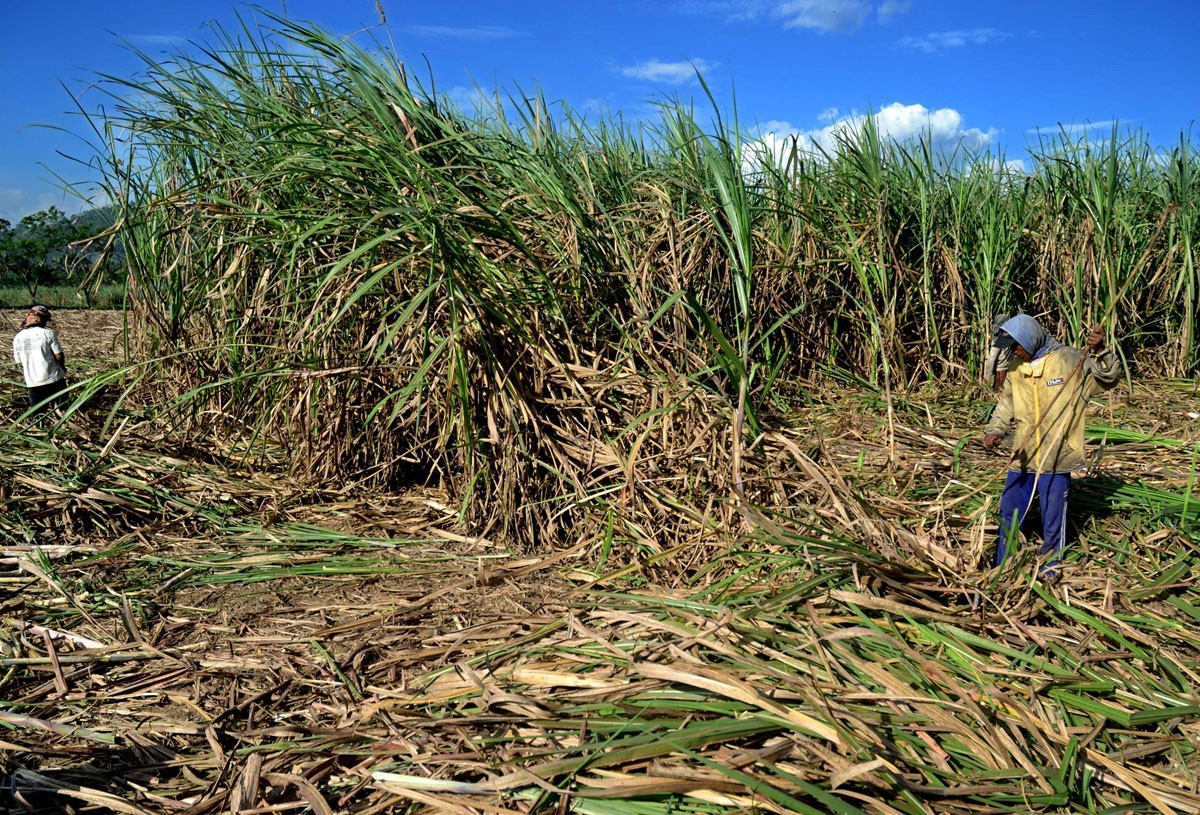
Field workers harvest sugarcane to have it ready for crushing in Purwosekar village in Malang, East Java. The cane will be sold either to brown sugar makers or large sugar factories, depending on its quality. Better quality cane will fetch a better price among brown sugar makers. (JP/Aman Rochman)
Indonesia is preparing to introduce E20, a gasoline blend containing 20 percent fuel ethanol, even as it continues to import sugar to meet domestic food demand. The initiative seeks to replicate the success of the country's biodiesel mandate by reducing reliance on imported gasoline while creating new demand for domestic agricultural commodities.Under the current roadmap, the government plans to introduce E10 by 2027 before increasing the blend to E20 as early as 2028. However, given Indonesia's limited bioethanol production capacity and the substantial upstream and downstream investments still required, the proposed timeline appears to reflect policy ambition more than industrial readiness.
Much of the government's confidence appears to draw on Indonesia's successful biodiesel experience. However, the comparison overlooks a fundamental difference in feedstock availability. The biodiesel mandate was built on an already mature palm oil industry that consistently generated production surpluses, allowing part of its output to be redirected to energy use without significantly disrupting existing markets.