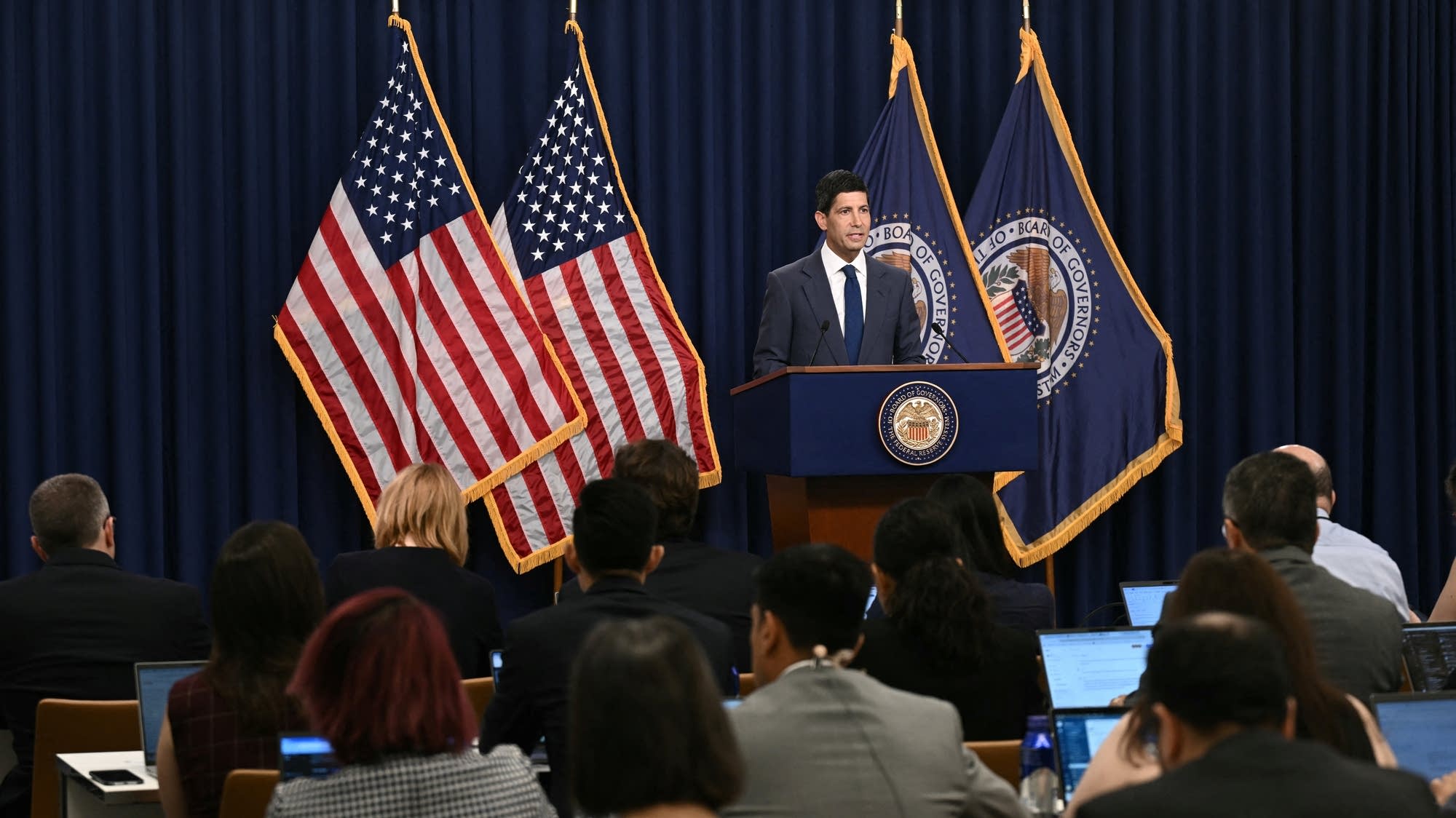
To help the Federal Reserve and everyone else who looks at these numbers have the most accurate data possible, the government updates its methodology every so often.This fall, the Bureau of Economic Analysis will change how inflation is calculated for certain categories and apply those changes retroactively to 2021. This means that years of inflation data will be revised slightly.Dr. Erica Groshen is a senior economics advisor at the Cornell University School of Industrial and Labor Relations and a former commissioner at the Bureau of Labor Statistics. She recently joined “Marketplace Morning Report” host Kimberly Adams to explain the changes. The following is an edited transcript of their conversation. Kimberly Adams: We get changes to how inflation is measured every year, but can you explain what's changing in particular this year in how the Bureau of Economic Analysis estimates inflation? Erica Groshen: The researchers, the analysts at BEA have been working all year long on looking at all the numbers, and they have come up with some ways to improve the numbers, and that is ongoing because these statistics are never one and done. The economy is changing, and the numbers are changing, and technology is changing, and data sources are changing. So every year the BEA has to make these adjustments. And so this year, they decided to change three different portions of this measure of inflation, and they are portfolio management and investment advice services, legal services, and computer software and accessories.Adams: Looking at the changes more broadly, why does it matter to regular consumers that these categories change?Groshen: These measures of what inflation is are part of what the Federal Reserve looks at when it sets interest rates, and so the Federal Reserve wants to make as good monetary policy as possible, and it relies on these measures for its judgments about what's going on — both in how much inflation there is, but also how much economic growth there is. So, when the dollar value of GDP goes up, it's really important to know how much of that is due to inflation and how much of that is due to the economy actually producing more and doing more. And that helps the Fed decide which is which, and then decide, does it need to raise interest rates or lower interest rates?Adams: There have been changes to economic data collection, staffing at the Bureau of Labor Statistics, and a lot of other changes under the Trump administration, in particular. How do these revisions coming every year as they do but fit in with this broader conversation about the accuracy of government data?Groshen: So these statistics are a public good, right? We pay for them together because we all benefit from having them. And the quality of the data is partially determined by how much money we're willing to spend on creating the data. So BEA has been under a lot of budgetary pressure for the past few years; there's also the impact of underfunding at the Bureau of Labor Statistics, which has also had declining inflation-adjusted funding for the past 15 years, and the underfunding at the BLS has an impact on all of these, so underfunding the source agencies to the BEA certainly has an impact on this, as well.
Why the Bureau of Economic Analysis is updating how it calculates inflation
The Bureau of Economic Analysis makes adjustments to inflation estimates regularly, but it comes at a time when the BEA is under budgetary stress.
544 words~2 min read