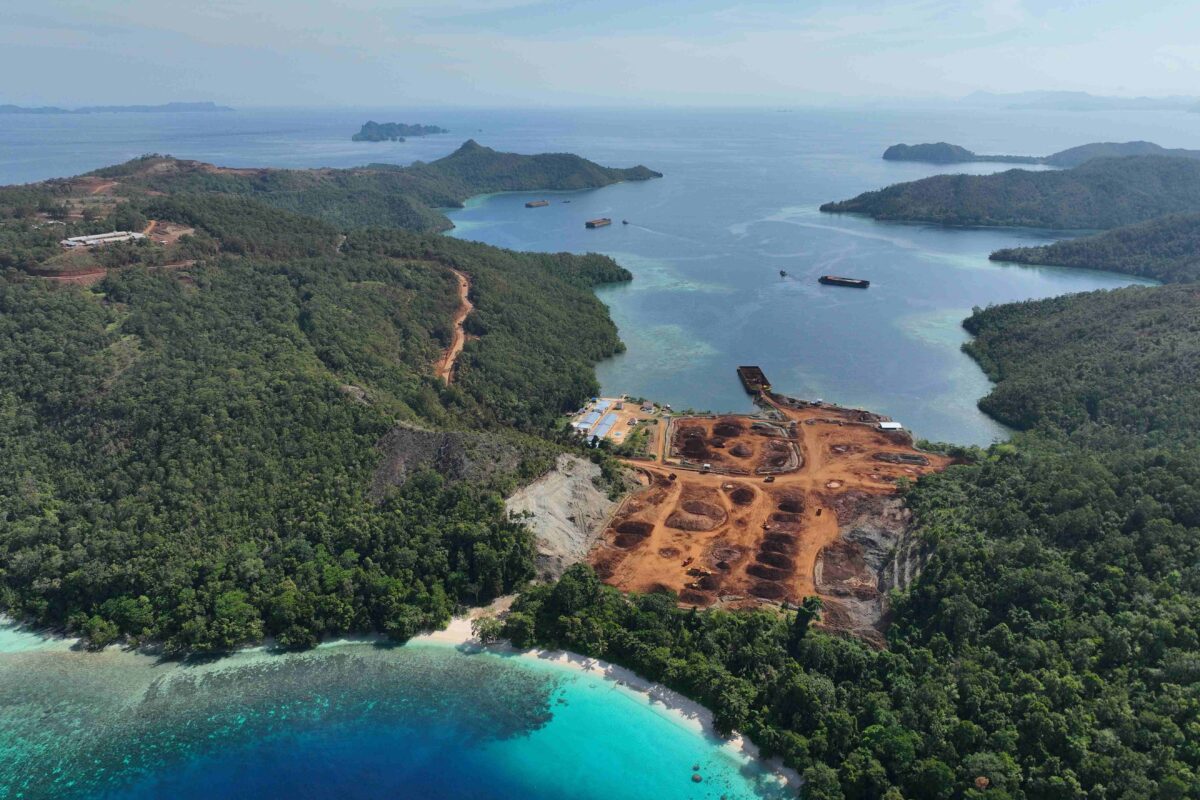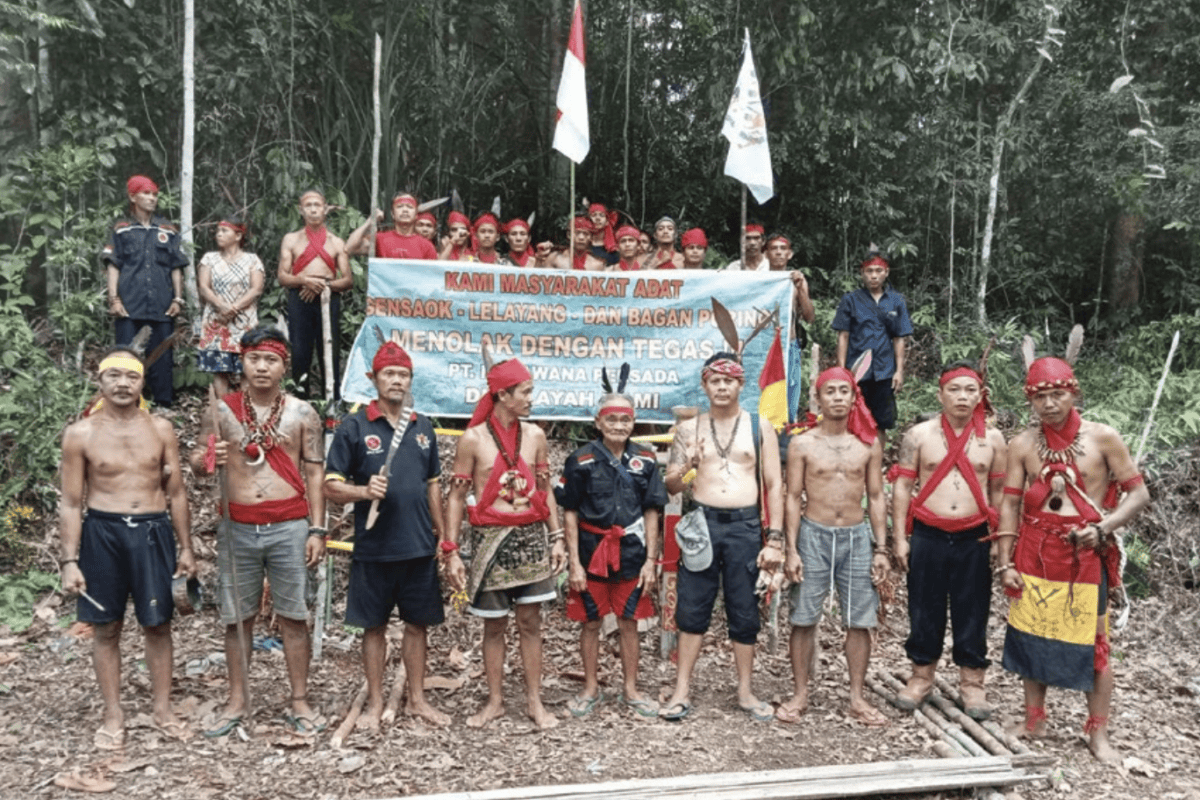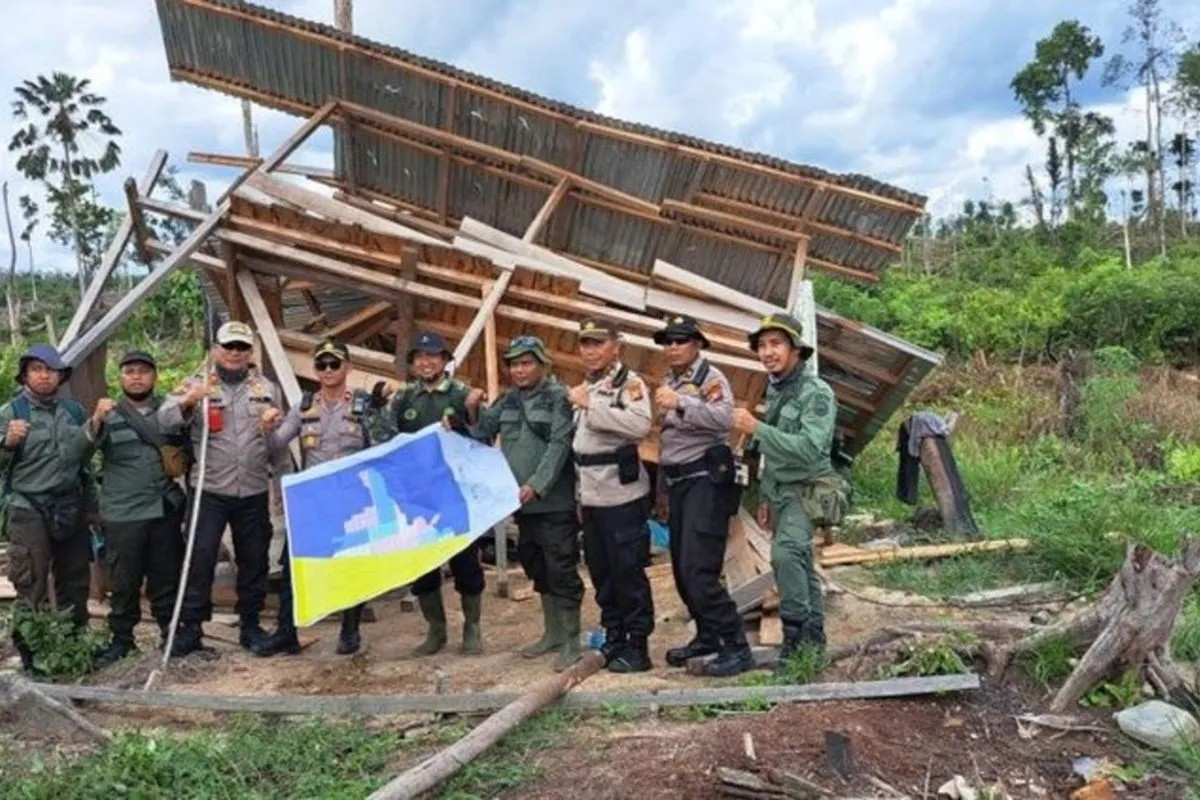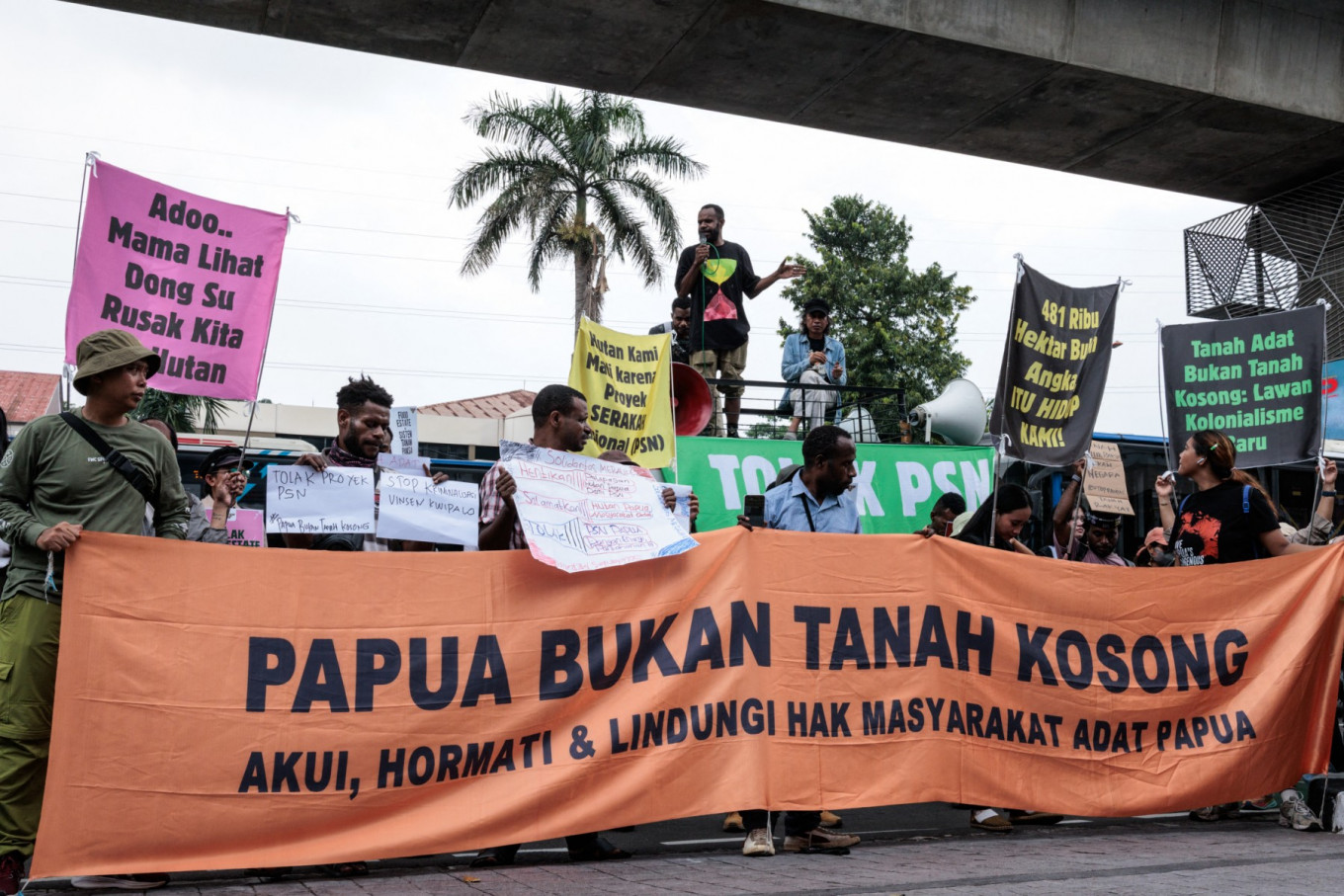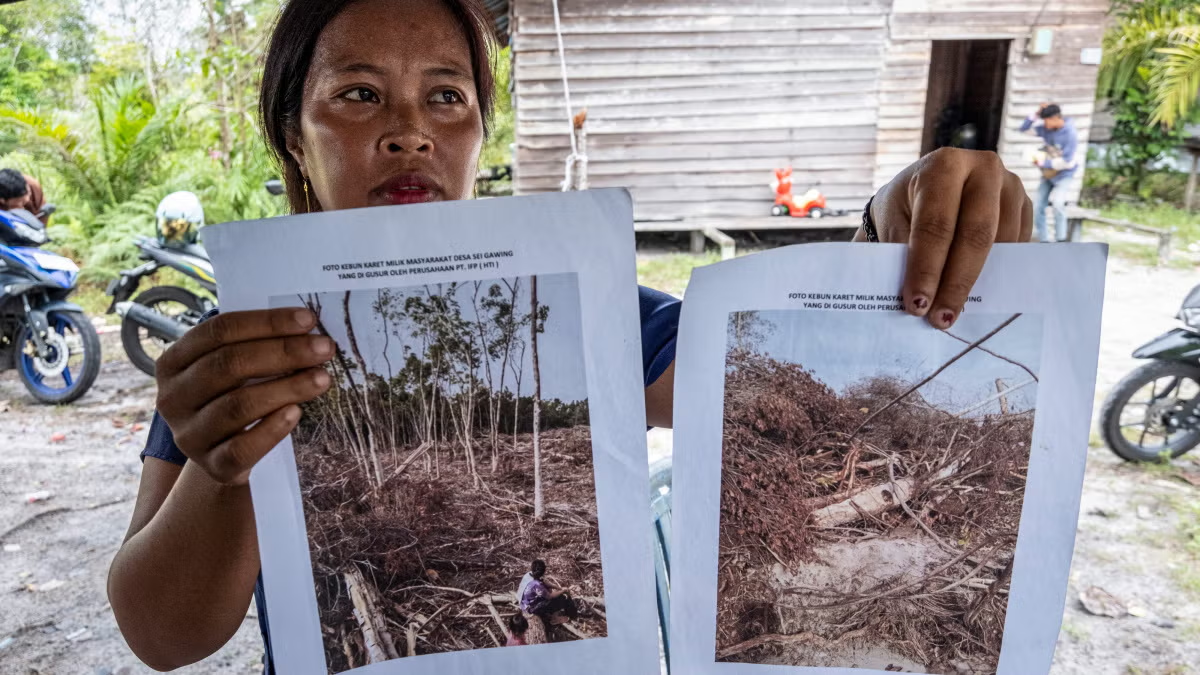
SummaryIn March 2024, six men in civilian clothes grabbed Sorbatua Siallagan, an elder of the Ompu Umbak Siallagan Indigenous clan in the Indonesian province of North Sumatra, when he and his wife were returning home after buying fertilizer. They bundled him into a van and drove away. His family and other villagers searched for the 65-year-old Siallagan for seven hours, fearing that he had been abducted, until they learned that he was being held at the regional police headquarters in Medan, some 160 kilometers from his home.The authorities initially charged Siallagan with theft and arson, alleging that he had burned eight eucalyptus trees belonging to PT Toba Pulp Lestari Tbk, a publicly traded company, and cultivated land belonging to the company. Siallagan’s arrest was just the latest incident in a decades-long dispute over 851 hectares of customary land that the community asserted the company had unlawfully acquired.During the trial at the Simalungun district court, Siallagan testified that he had been working on ancestral land, not burning forests nor occupying forested areas. The company spokesman said that Siallagan’s community did not appear on the list of 10 customary land claims submitted to them. In August 2024, the court found Siallagan guilty and sentenced him to two years in prison. On appeal, first the High Court and then the Supreme Court in June 2025 acquitted him, agreeing that ownership of the land was disputed.Siallagan told Human Rights Watch that while he was gratified by the Supreme Court ruling, he was disappointed that police and prosecutors had accused him of crimes he never committed. Hengky Manalu, one of Siallagan’s lawyers from the Indigenous Peoples Alliance of the Archipelago (AMAN), said that his arrest amounted to criminalizing Siallagan himself. “He is the one leading his community in their fight to defend their land,” Manalu said. “Such arrests are intended to deter other Indigenous communities from daring to resist.”Siallagan’s case exemplifies the risks to communities when they fight to protect their land from unlawful natural resource extraction. Indonesia is the world’s largest producer of palm oil, with companies clearing huge areas of forest and peatlands for oil palm plantations. Indonesia is also a major gold producer and the world’s biggest supplier of nickel, a key material for steel-making and electric batteries.While the Indonesian government claims that it is committed to responsible natural resource extraction, authorities, often acting on complaints from mining, plantation, and other company officials, or strategic lawsuits against public participation (SLAPP), have intimidated, threatened, and prosecuted Indigenous and other community leaders who fight for the right to ancestral land. The authorities have also targeted environmental and human rights defenders who defend these claims, or protest deforestation and pollution.This report examines the more than a dozen laws in Indonesia used to silence protest over environmental harm, and details 15 emblematic cases in which the authorities targeted community leaders and environmental and human rights defenders. These cases, in the public record, are further developed through 69 interviews with Indigenous people, villagers, environmentalists, and lawyers.Most cases in this report precede the current government of President Prabowo Subianto. However, his administration has failed to adequately address these abuses or take measures to bring about needed reforms.
Grabbed Land, Silenced Justice
The 70-page report, “Grabbed Land, Silenced Justice: The Persecution of Environmentalists and Indigenous Leaders in Indonesia,” documents how Indonesian police have responded to complaints filed by company officials or politicians by silencing Indigenous villagers who demand their customary land rights and the activists who defend them. The authorities have targeted environmental and Indigenous community defenders using the criminal code and other laws to bring charges ranging from defamation to “spreading communism” to silence protest over environmental harm.
22,343 words~102 min read