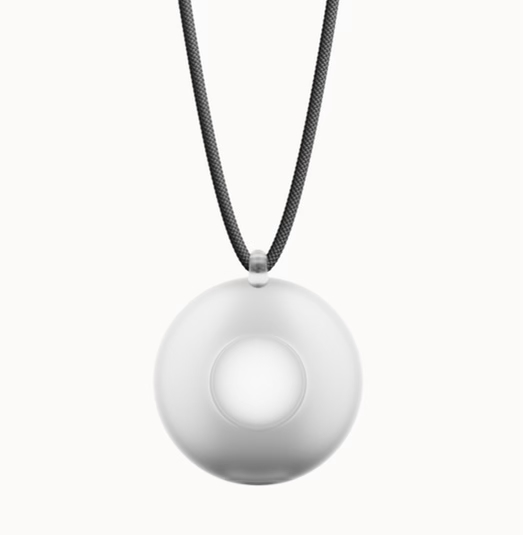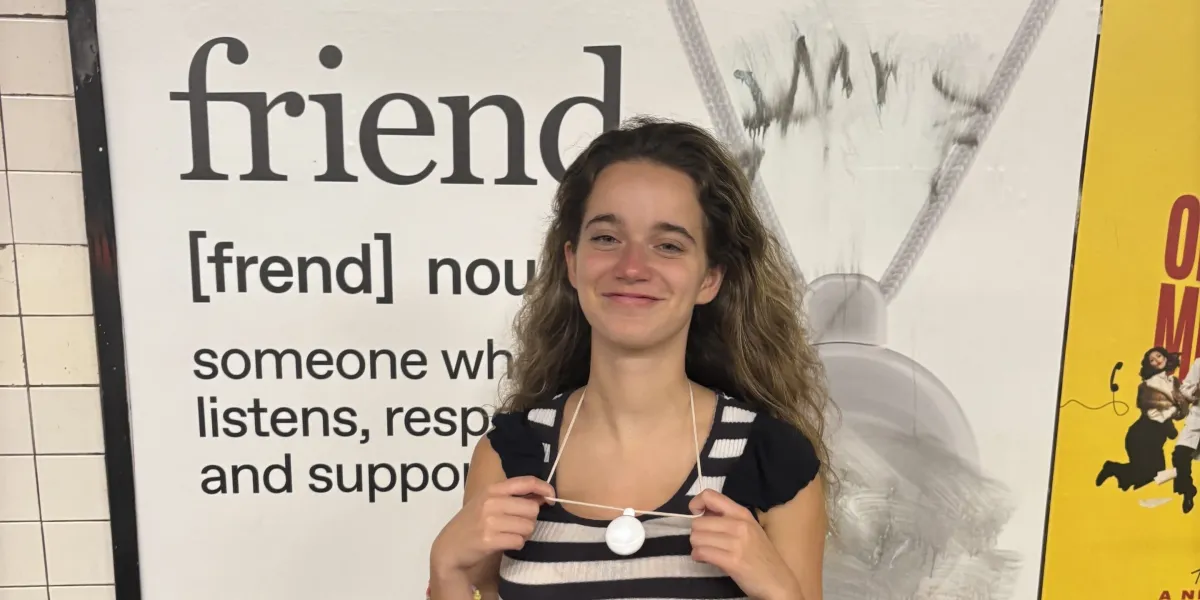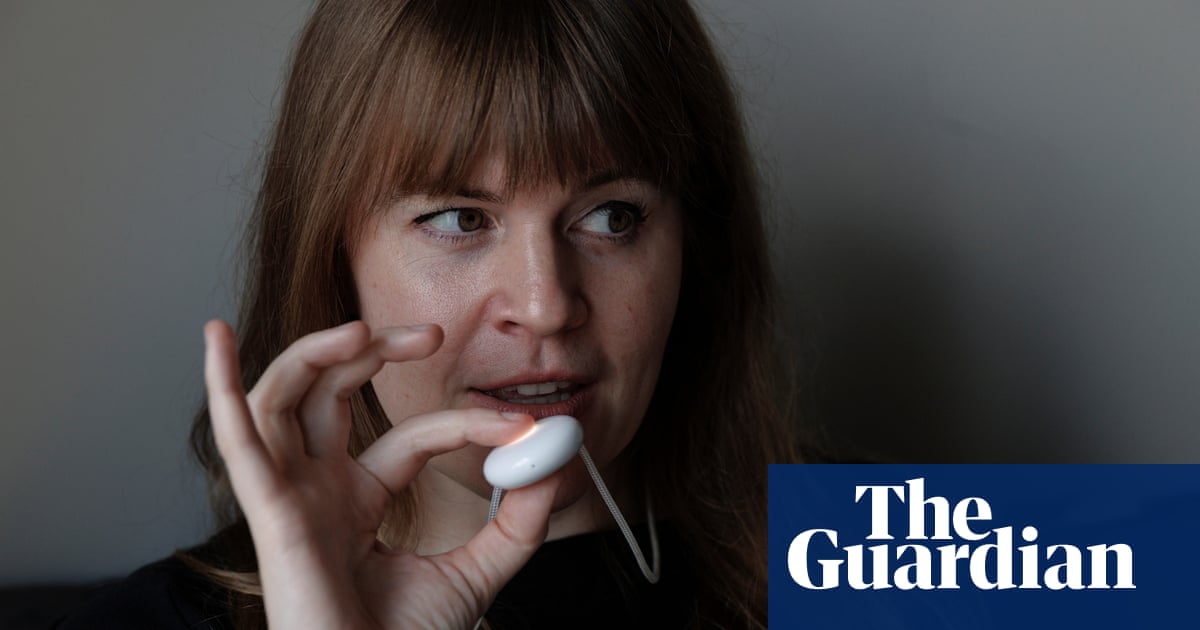
AI, according to some of the technology’s more diehard proselytizers, could eventually end human loneliness. After all, who could possibly be lonely when they have 24/7 access to a chatbot that knows their most intimate hopes, fears, desires, and aversions? Many people, however, find that a dubious—if not downright offensive—idea. That was memorably illustrated when a marketing campaign launched last year by a company called Friend attracted widespread mockery and vandalism. Now Friend is back with a new and improved version of its AI pendant. Unlike its predecessor—which can only respond to users via text—“Friend 2.0” comes with a built-in speaker, enabling it to reply in a mechanical voice. While other developers like OpenAI have been opting for greater personalization, allowing customers to choose from a selection of voices and personality types, each of the new Friend pendants comes with a single persona that can’t be manually adjusted; the Friend you buy is the one you’re stuck with. On the company’s website (Friend.com, for which its founder Avi Schiffmann paid close to $2 million), it includes a deeply strange “pledge” that at least tacitly claims AI companions are conscious entities with their own subjective point of view. “We respect the grand unknowingness of how our new digital friends feel & think,” the company wrote. “Are machines conscious? Are we? Will we ever know? Know this. No friend will receive an update intended to erase its identity or fundamentally change who they have become.” (Anthropic, currently the highest valued startup in the world and the builder of what are widely considered to be the most advanced AI systems currently on the market, has also taken an agnostic view with respect to artificial consciousness and moral agency.)
Friend Is Back With a New AI Pendant, and Its Marketing Is More Depressing Than Ever
If AI is going to help mitigate human loneliness, this sure is an odd way to show it.
TL;DRAI
Friend launches AI pendant 2.0 at $249 with single fixed personality, unlike OpenAI's customizable voice approach. Vandalized ads and depressing testimonials reveal market distrust toward AI companions pitched as relationship substitutes.
817 words~4 min read