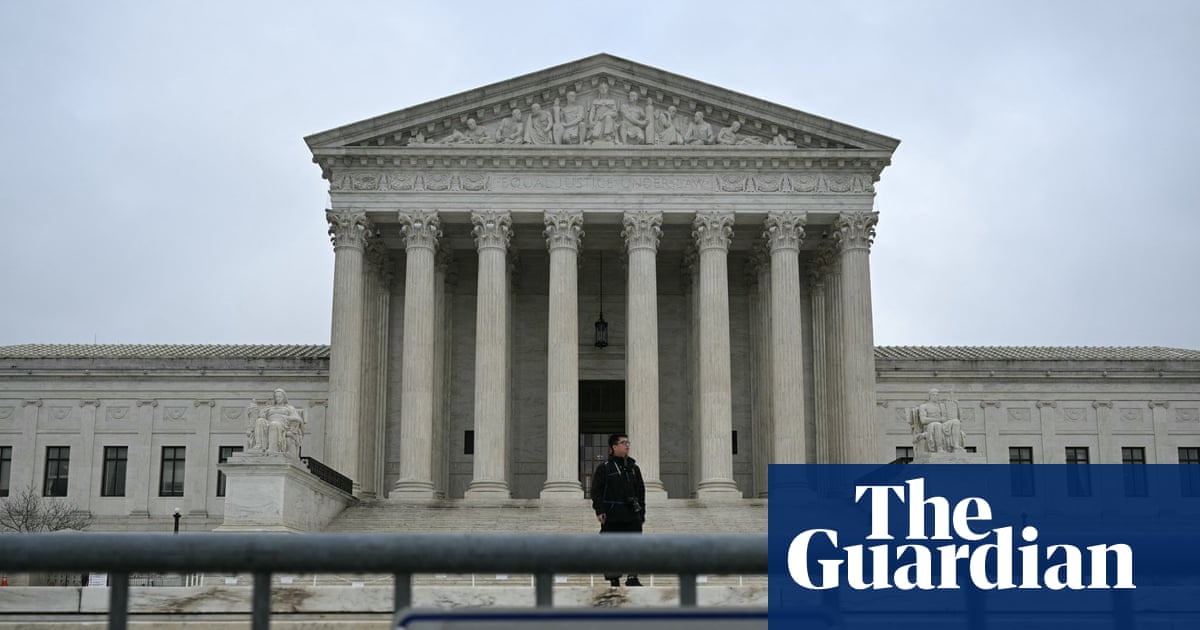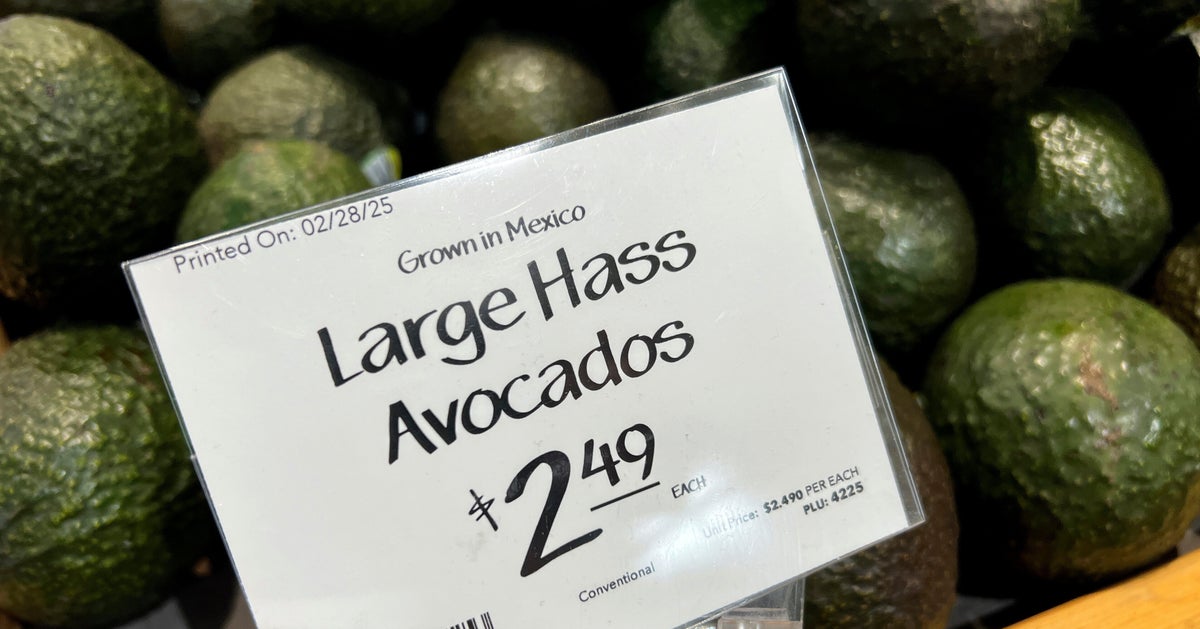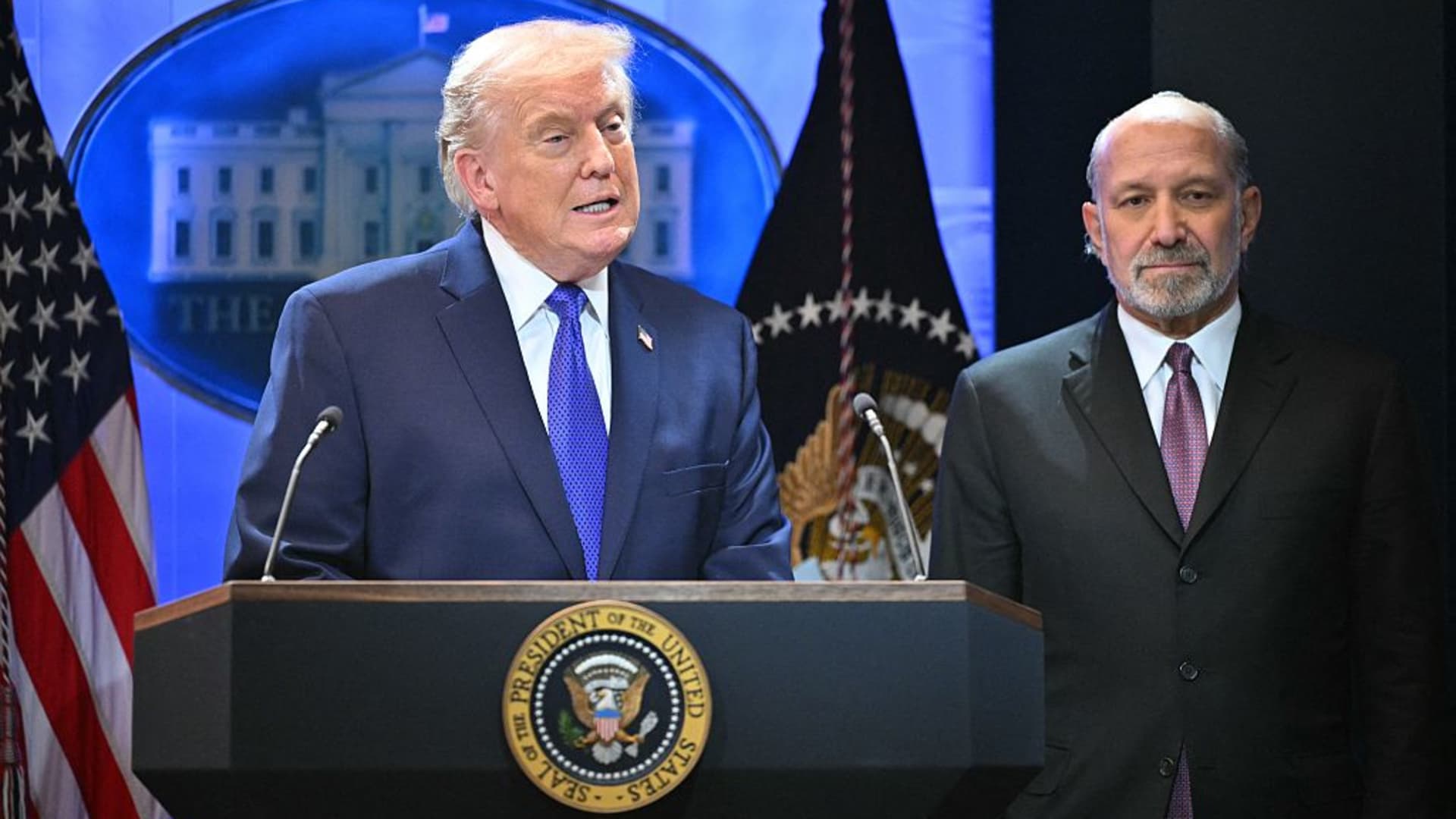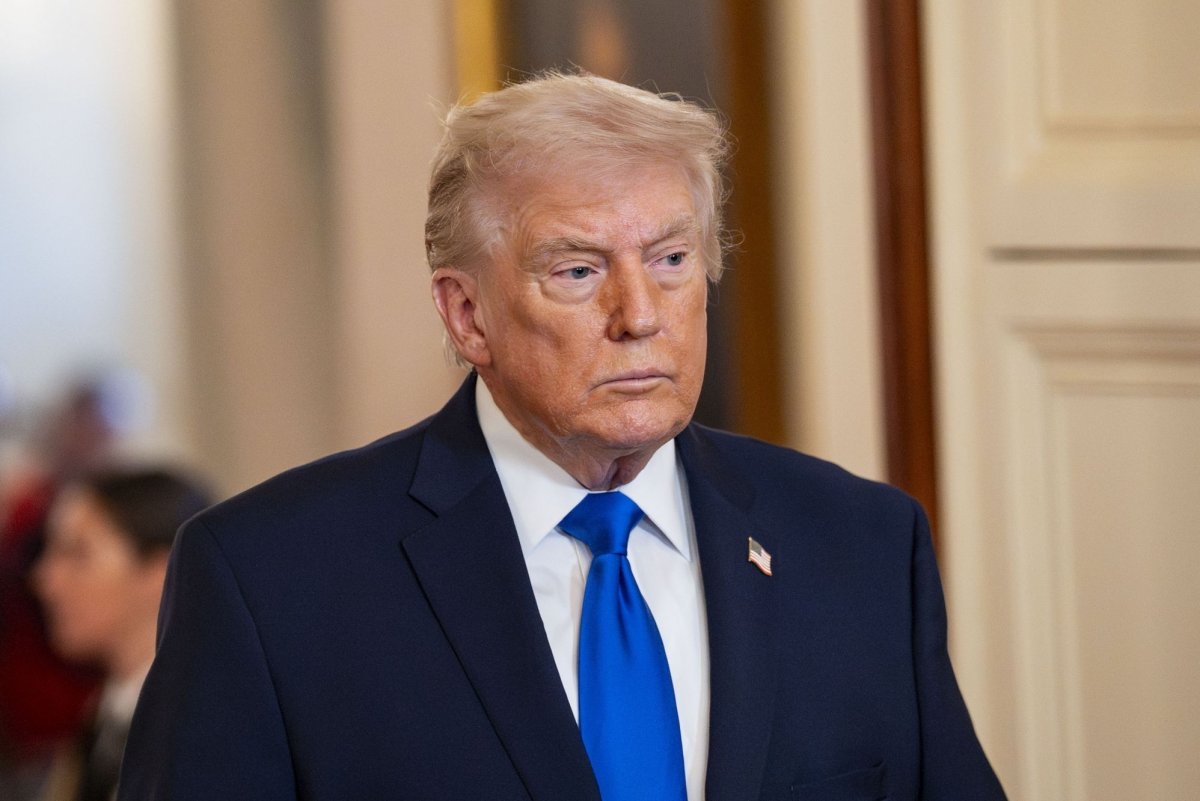
Good morning. Now that the Supreme Court ruled against Donald Trump using his emergency powers to impose tariffs, what’s next? After all, the U.S. president responded by immediately creating tariffs under a different law, Section 122 of the 1974 Trade Act. And the court gave no guidance on how leaders can recoup the money they paid under a policy deemed illegal. For the moment, at least, America’s protectionist strategy remains in place. So what’s next for leaders?
Bring in the lawyers. Companies need to track every customs duty that can be directly attributed to tariffs imposed under the International Emergency Economic Powers Act, which accounts for about half of all tariffs. U.S. Trade Representative Jamieson Greer said it’s up to the lower courts to decide how refunds will be paid. Companies will have to not only document that they paid but also how much they may have to spend to recover those payments: One manufacturer told me on Friday that he’s not convinced his company will seek a remedy as the duties impacted a relatively small portion of his supply chain.
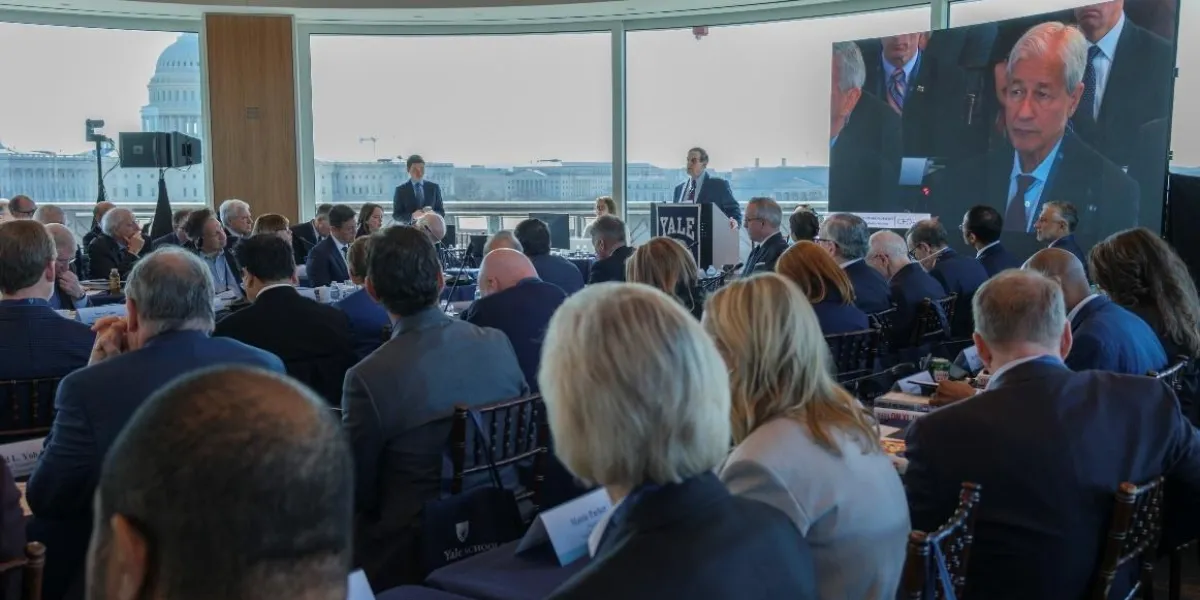
The silence continues. While many CEOs have been reluctant to criticize Trump’s tariffs in public, they’ve been vociferous in complaints behind the scenes. At the Yale CEO Caucus in Washington a year ago, for example, more than two-thirds of CEOs said they thought the tariffs were illegal, harmful and would be passed along through higher costs for customers. While the Supreme Court decision may have pierced the president’s “seeming invincibility,” it’s done little to calm their nerves. “There is no upside in speaking out” against this president, one CEO said when I called him on Friday night. “You do what’s right internally, which includes staying off his radar.”