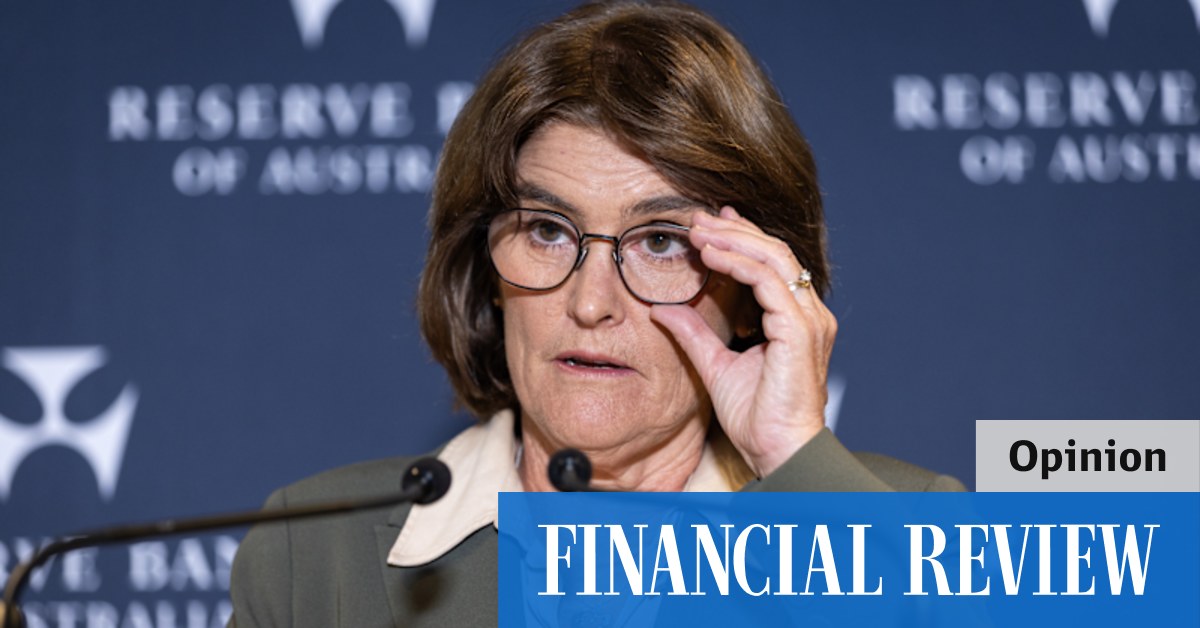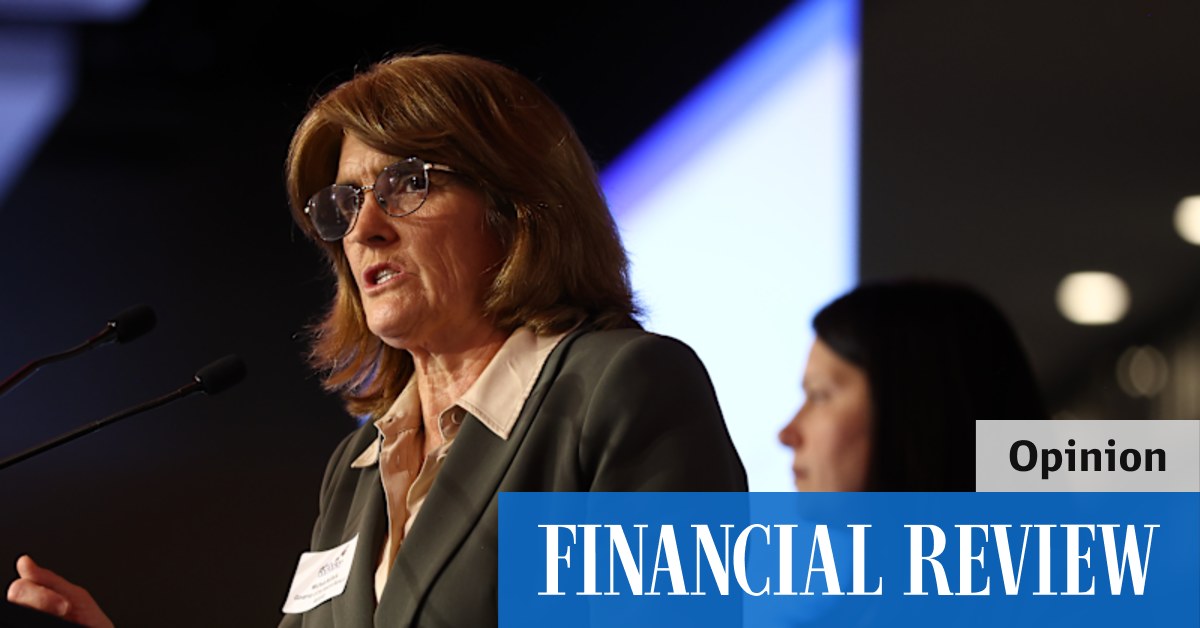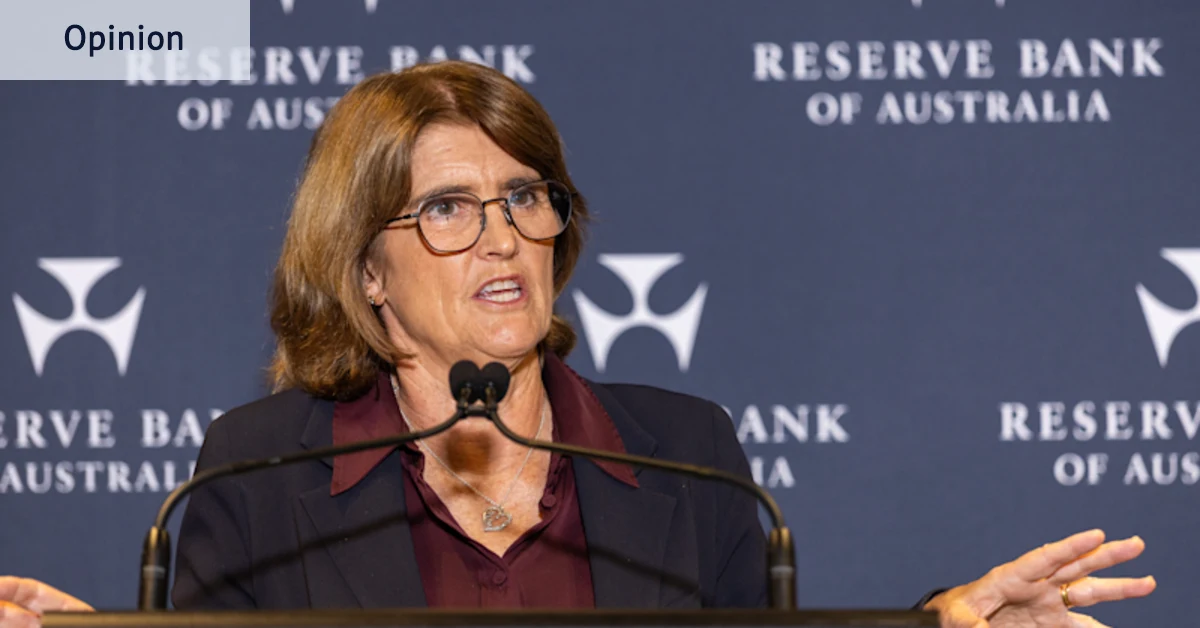
OpinionJuly 31, 2026 — 5:00amIt sounds a bit like an insult. But when the Reserve Bank says most Australians don’t get how interest rates work, that’s a fact.If you think higher interest rates push prices up and worsen the cost of living, you’re in the majority. You would also be wrong (for the most part – we’ll come back to that).Many of us don’t understand how interest rates affect inflation.Matt DavidsonIt might be through no fault of your own, but the fact most Australians misunderstand how interest rates work is making the Reserve Bank’s job – and our lives – harder.Of course, most of us understand how interest rates affect us on a purely personal level. You might have a home loan you’re trying to pay off or a savings account you’re trying to grow. Both, as you know, are affected by interest rates.But one of the Reserve Bank’s latest pieces of research reveals most of us aren’t clued in on how interest rates affect the broader economy, or how they affect public enemy number one: inflation.For the first time, a bunch of the bank’s economists – led by Jack Harden, Peter Rickards and Michelle Wright – took a closer look at how Australians experience and understand the economy by conducting a survey.Their findings? They politely noted that there were “fundamental gaps in understanding of how monetary policy works, particularly in how interest rates affect inflation”.Only one in four Australians correctly said higher interest rates would lead to lower inflation. More than half gave the wrong answer, saying higher interest rates would lead to higher inflation. And one in four were unsure.That’s despite Australians, across all demographics, indicating that inflation – or price growth – is their single most pressing economic concern.So, we care (a lot) about how fast prices are growing. But we’re not very good at understanding how we can slow them down.Why does this matter? Because one of the big factors affecting how fast prices grow is how fast we expect them to grow.When Michele Bullock raises interest rates, her goal is to curb consumer spending.Louie DouvisIf a lot of us think that inflation will rise, meaning prices will climb faster in the future, we’re likely to act in a way that makes it happen. Some might call it manifestation. But if you expect the price of cereal to go up in the next few months, you might decide it’s a good idea to bring forward your purchases, stocking up on some extra boxes of the stuff before prices go up.If a lot of us do this, with a bunch of products across the economy, we end up pushing demand higher – and therefore prices across the economy higher.But how does this relate to interest rates and the Reserve Bank? Well, the bank’s focus is on keeping prices stable (and keeping people in jobs). They only have a few tools at their disposal – including setting the country’s interest rates.Now, there are several ways that changing our interest rates affect inflation and the economy more widely.But put simply, when Reserve Bank governor Michele Bullock pushes interest rates up, her hope is that those of us with home loans see more money seeping from our bank accounts every month as our repayments become bigger, and that this causes us to stop spending so much on other things.It’s painful, but it helps to dampen total demand for goods and services across the economy – either because people can’t afford it, or because they decide they can go without it. Either way, higher interest rates are meant to make us stop pumping so much money into the economy, therefore bringing down prices.The problem is that the bank also relies on people believing prices won’t keep surging.Bullock can’t wave a magic wand to make us think this. But she can shape our expectations through a less fantastical approach called “jawboning”: using her words to warn, for example, that interest rates might be on the way up.That should spook people a little and perhaps make them hold on to their money rather than go ahead and spend it.But here’s the thing: if most Australians believe (wrongly) that higher interest rates will lead to higher inflation, doesn’t that undermine the effectiveness of “jawboning” as well as the effect of interest rates themselves?Rather than believing the bank will ramp up its battle against inflation (by raising interest rates) and bring price growth down, it seems at least half of Australians will think the opposite: that higher interest rates will lead to higher inflation.And as we know, expectations for which way inflation will go can greatly affect the direction it does end up going.Figures this week showed inflation slowed in the June quarter.Louie DouvisOf course, there are plenty of factors at play, including on the supply side, when it comes to our stubborn inflation problem.But while fresh data this week showed the consumer price index (the main measure of price growth in Australia) slowed slightly to 3.8 per cent in the year to June, “trimmed mean inflation” – which is the inflation gauge the RBA pays more attention to – remained unchanged at 3.6 per cent. That is: price growth has been stuck above the bank’s 2 to 3 per cent target range for a while despite it raising interest rates.Perhaps that’s partly because Australians aren’t responding to interest rates in the way we theoretically should. As the Reserve Bank’s latest research notes, if people have a better understanding of how tools such as interest rates work, that can actually make monetary policy more effective.But a quick note on why you shouldn’t feel too bad if you thought higher interest rates led to higher inflation.When we think about inflation, most of us think about cost of living. And when interest rates go up, not only does that increase our home loan repayments (a major living cost for some Australians), but it increases borrowing costs for businesses, which might lead them to pass on that cost to customers through higher prices.Economists will tell you, on that second point, that any price rises from increased business costs will generally be outweighed by the drop-off in demand as customers pull back their spending.But it’s not completely silly that some people think higher interest rates push up their home loan repayments (which they do) and that therefore inflation (which is often used to talk about cost of living) would go up.The part that people might not know is that the consumer price index – the way we measure inflation – doesn’t actually include home loan repayments.Why? First, because the impact of buying existing housing – which is typically a transaction between two households – means the effect on consumption in the overall household sector is effectively cancelled out.Second, if we included interest payments in the inflation measure, it would trap the Reserve Bank in a circular feedback loop where the thing they’re measuring includes the tool they’re using to manipulate it: interest rates.It’s also because technically, when we buy a home, that’s seen as both something we’re consuming, and also something we’re investing in. For simplicity, the actual building (such as the materials used) is the thing we’re consuming. The “land” part of the purchase is the thing that tends to grow in value over time, so is classified as an investment.So, to measure housing costs, the Australian Bureau of Statistics looks mostly at the cost of building a new home (stripping out the cost of the land) – and rents that people are paying. That’s seen as the imperfect but fair way to measure price changes in housing we’re actually “consuming”.It’s also possible that many Australians link higher interest rates to higher inflation because the two can somewhat coincide. When prices start rising too fast, for example, we tend to see the Reserve Bank start raising interest rates. Higher interest rates don’t cause inflation to be higher, but the two things are often seen happening at effectively the same time, which might explain some of the confusion.But as long as economic literacy remains weak in Australia, the Reserve Bank will have to crank interest rates harder to get the job done. If we want prices to grow more slowly, it starts with getting up to scratch on economics more quickly.The Market Recap newsletter is a wrap of the day’s trading. Get it each weekday afternoon.From our partners
Most of us get this economics question wrong. We’re paying for it
Australians care about price growth. So, why do most of us have the wrong idea about how to slow it down?
1,399 words~6 min read