We are living through a period in which the assumptions that underpinned the global economy for the past three decades are being called into question. Geopolitics, technology and demographics are no longer background conditions – they have become key macroeconomic drivers. This unusually uncertain landscape is shaped by six powerful forces.
First, the macroeconomic consequences of the conflict in the Middle East. The disruption to energy markets and shipping routes through the Strait of Hormuz has had material consequences on energy prices, and through them, for inflation dynamics across the euro area, but also for economic sentiment and activity. I will return to these stagflationary effects shortly.
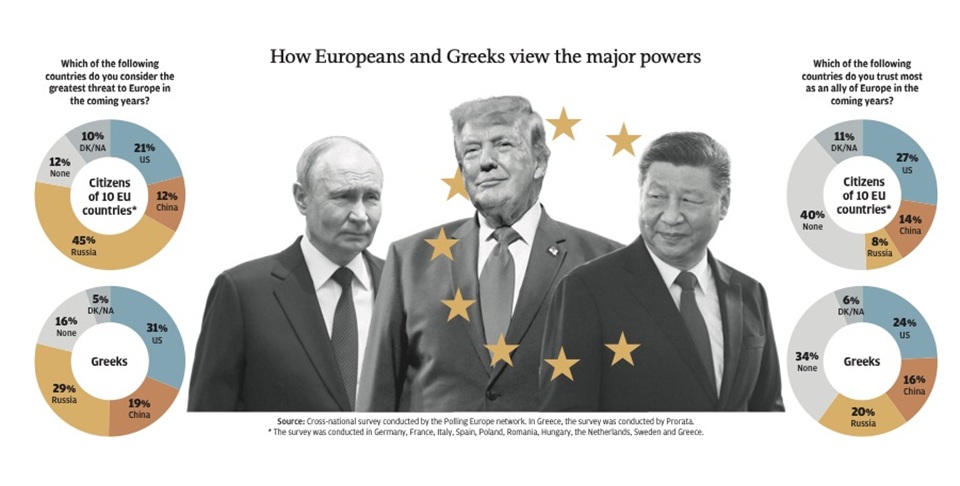
Second, geoeconomic fragmentation. The architecture of global trade is being reshaped by the weaponization of trade policy, by friend-shoring strategies and by an expanding web of sanctions regimes. These developments are reconfiguring supply chains, often at the expense of efficiency, with important implications for price volatility, productivity and the resilience of the global economy more broadly.
Third, the pace of technological change is accelerating rapidly, with artificial intelligence at the forefront of a transformation of unprecedented scale. For central banks it cuts both ways: it promises real gains in productivity and in the efficiency of financial services, but it also reshapes labor markets – displacing some tasks while raising the premium on new skills – and raises new concerns about financial stability, market concentration, income distribution, the resilience of critical infrastructure and the speed at which shocks can propagate through an interconnected system.