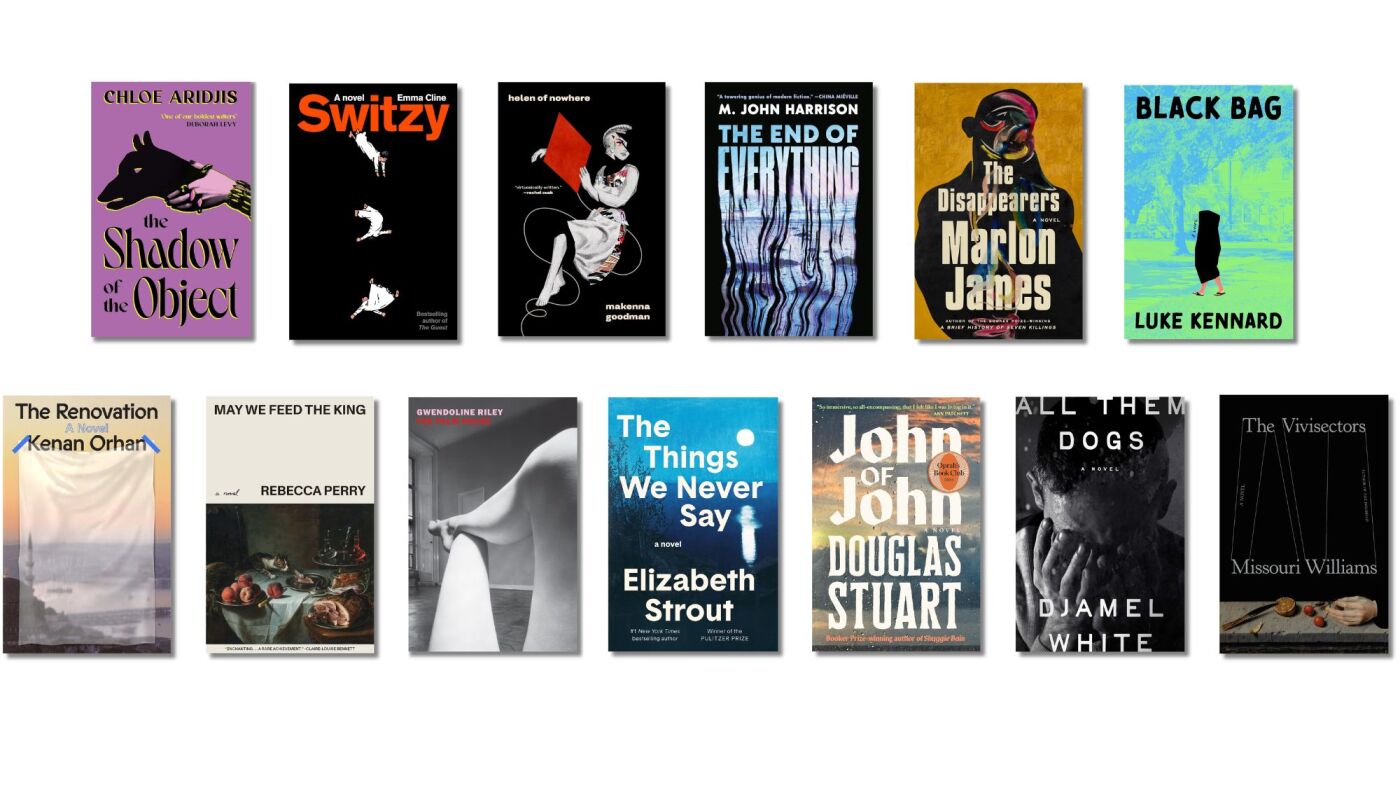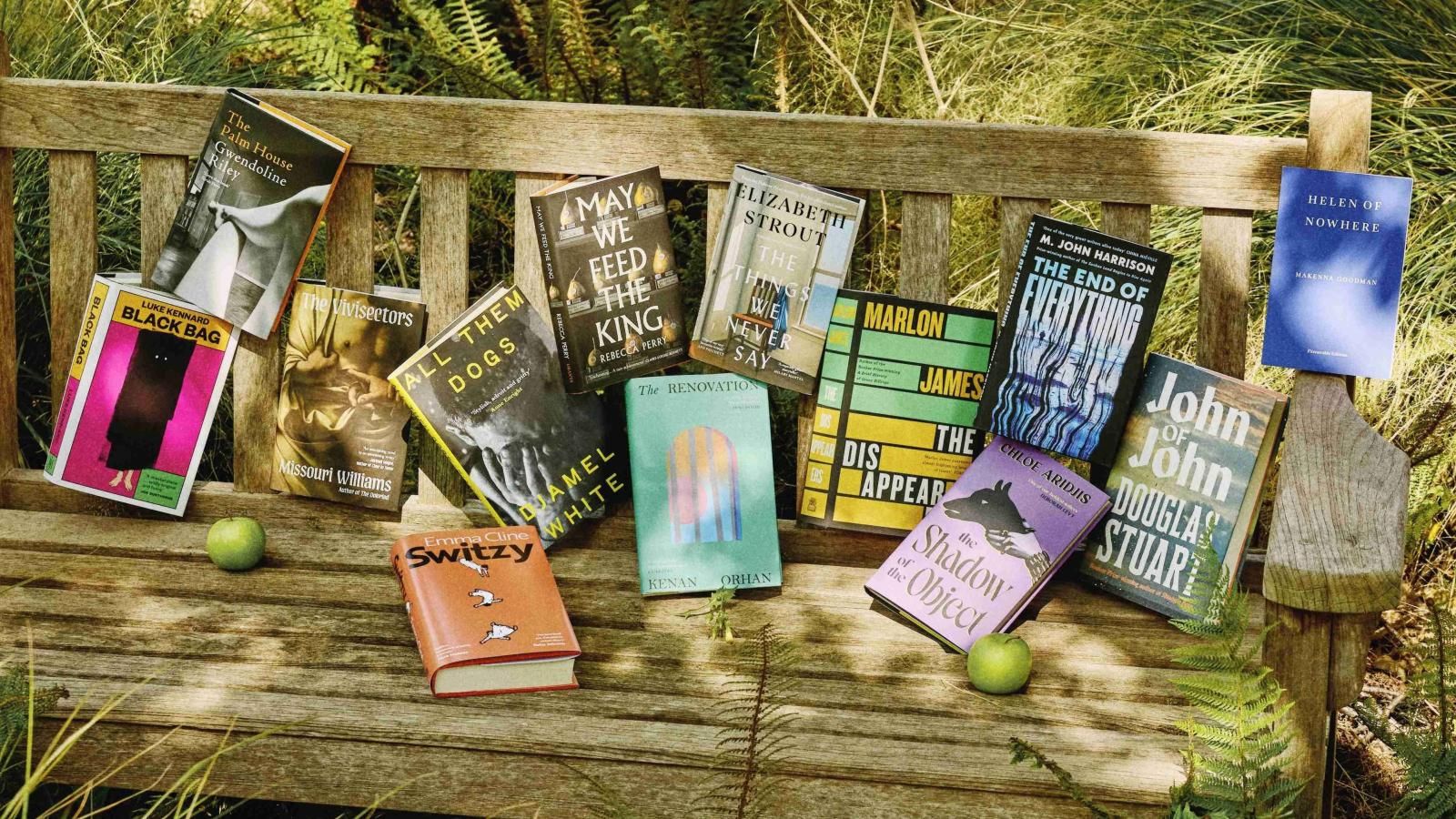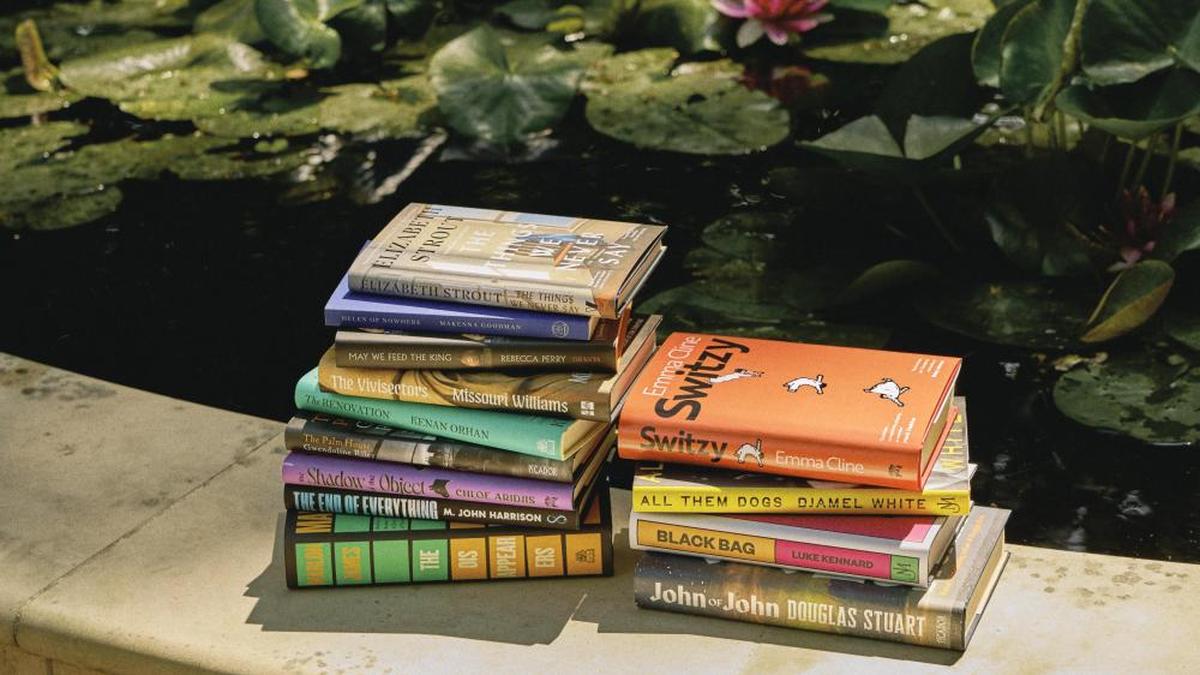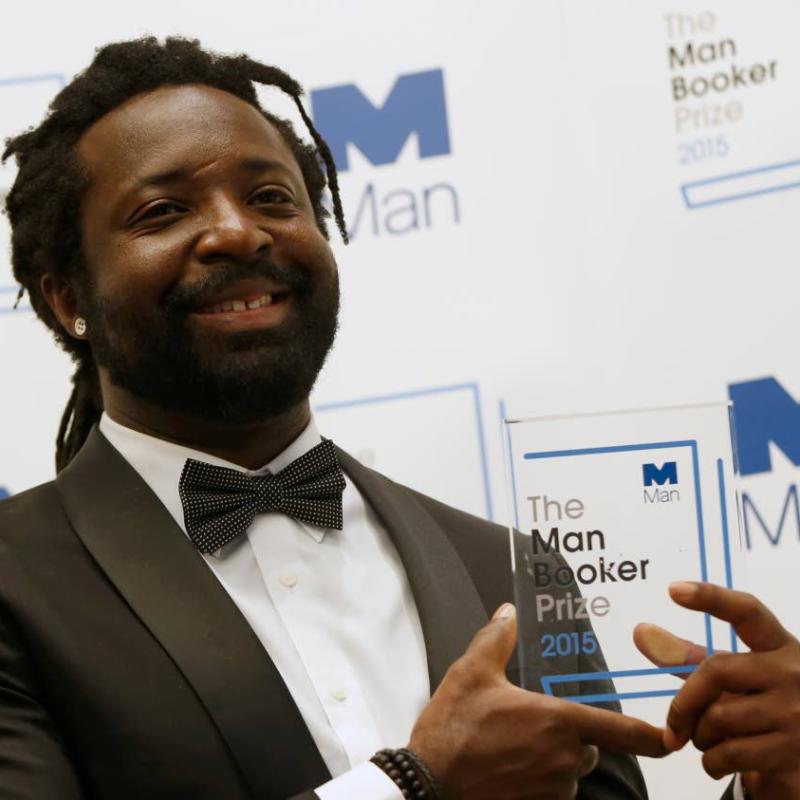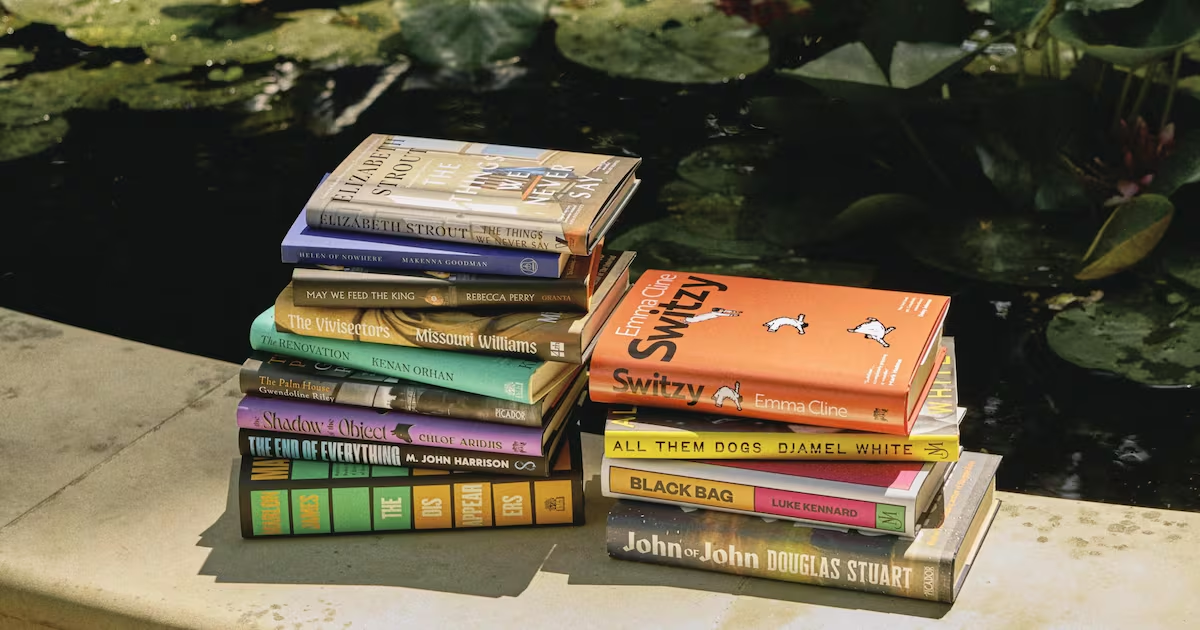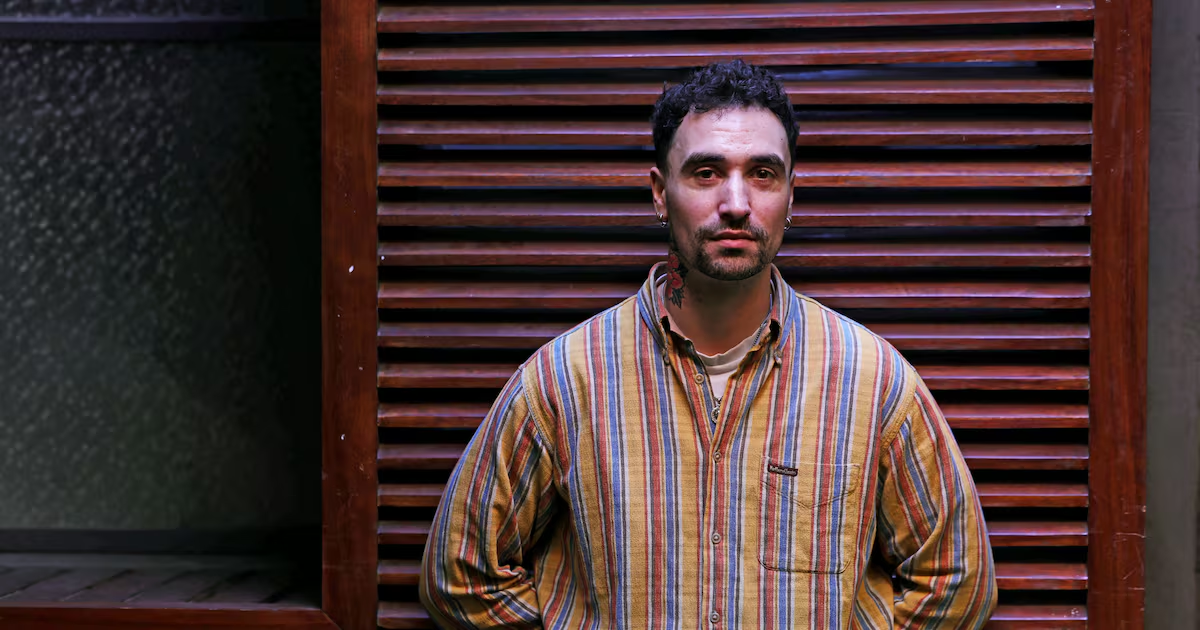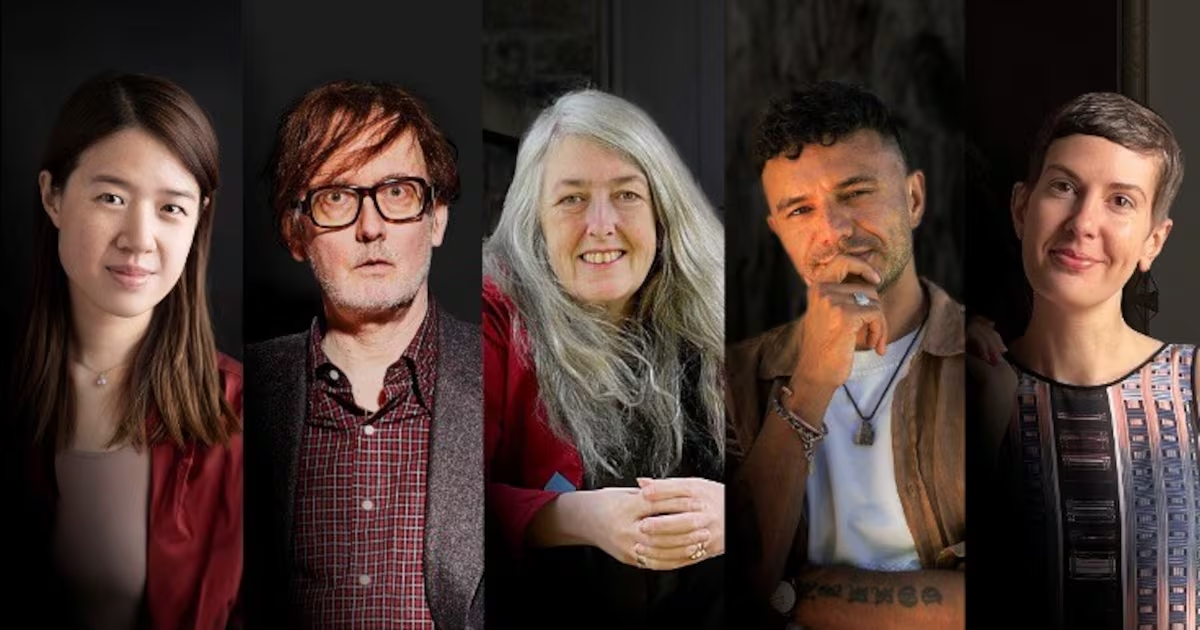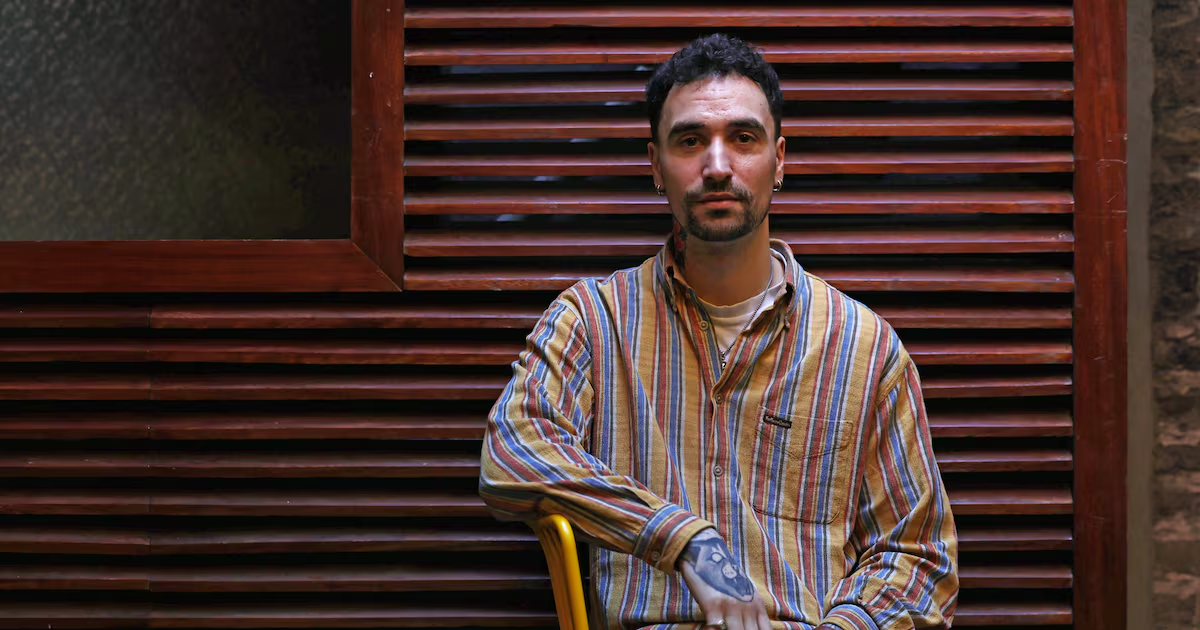
“It’s a bit mad,” says 28-year-old Irish writer and previous tattoo shop manager Djamel White when describing being longlisted for the 2026 Booker Prize for his debut novel, All Them Dogs.“The news is still kind of incubating at the moment but, yeah, it’s amazing. It feels amazing.” White is among 13 nominees for the prestigious £50,000 literary prize, including previous winners Marlon James and Douglas Stuart. This year’s shortlist will be announced at the Southbank Centre London on September 22nd, while the main event will take place on November 9th at a ceremony at Old Billingsgate in London. The Booker Prize winner will receive £50,000, while shortlisted authors each receive £2,500.White, the only Irish writer on this year’s longlist as well as the youngest author, says he takes pride in the literary recognition. “I think that is something I can safely say that I am proud of ... I’ll let myself be proud of [it].” The five-person panel of judges includes classicist Mary Beard and Pulp frontman Jarvis Cocker. The judges described All Them Dogs as “a mouthy, ballsy and bracingly unsentimental portrait of Dublin gangland, set well off the beaten track of the city’s usual literary landmarks”.“I think it’s pretty apt. It’s set in the suburbs of Dublin, which isn’t the most literary or romantic kind of place, so it wouldn’t really show up in a lot of novels,” White says of the judges’ description. [ International Booker Prize fund doublesOpens in new window ]Previous Irish winners include Paul Lynch, Anne Enright and Roddy Doyle, whom White met through creative writing non-profit Fighting Words, which Doyle founded with Seán Love in 2009. Describing The Commitments author as “an idol of mine”, White says: “It was always exciting when he was in the room, there was always a real energy about the place when we knew Roddy was coming in.” White says the organisation was “monumental” for his development as a writer and an individual. “It put me in the right direction in terms of finding a literary community. I was immediately introduced to people whom had similar interests, but were from completely different walks of life and whom were at different stages in their life and trying to figure things out,” he says.“It was a space that allowed me to express myself and to develop my own tastes and interests in a place I felt included and supported. It equipped me with a lot of skills and experience for when I did eventually step out into the world and go to college and enter the workforce. So yeah, it was monumental for me in that regard.”
‘It’s a bit mad’: Dubliner Djamel White reacts to being longlisted for Booker Prize 2026
The Irish writer in the running for the £50,000 literary prize for his debut novel, All Them Dogs, against former winners Marlon James, Douglas Stuart
437 words~2 min read