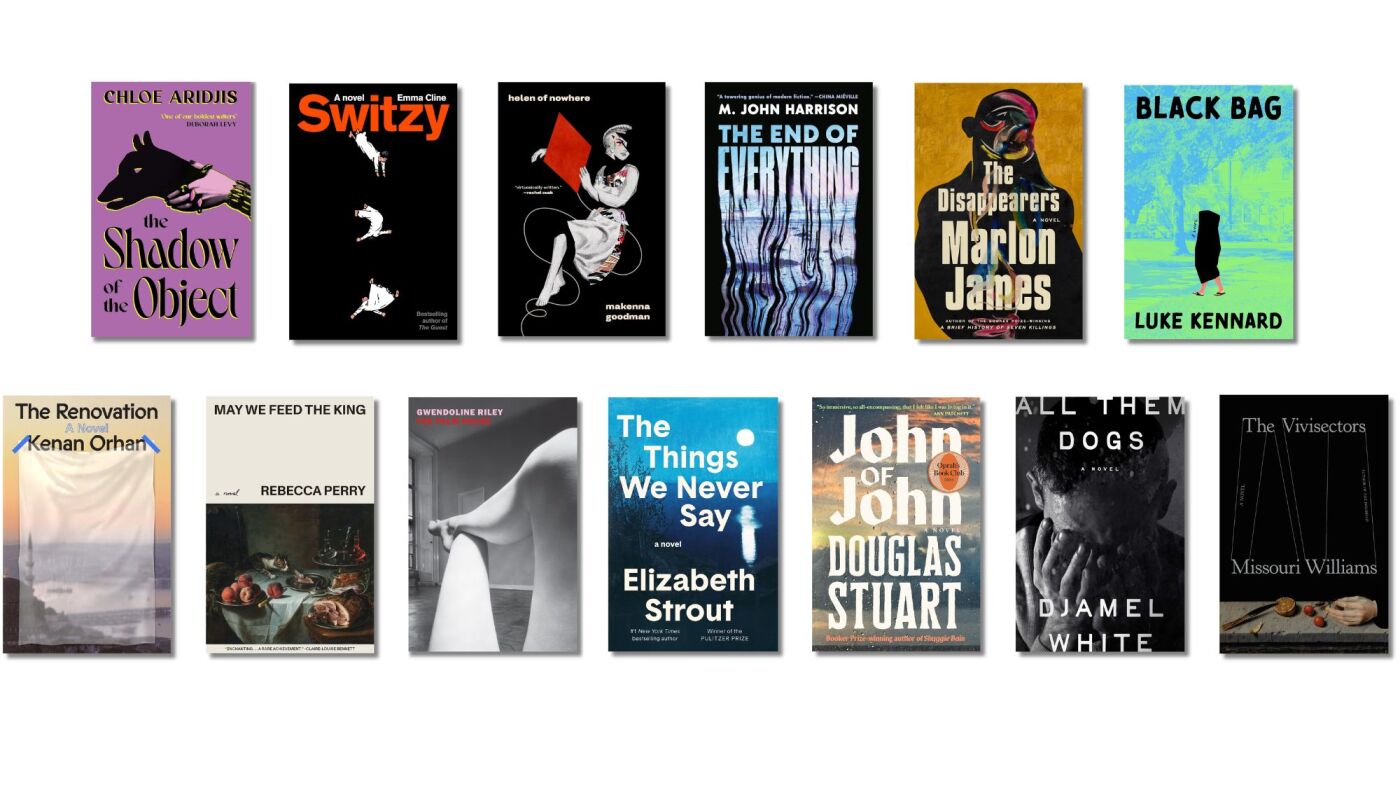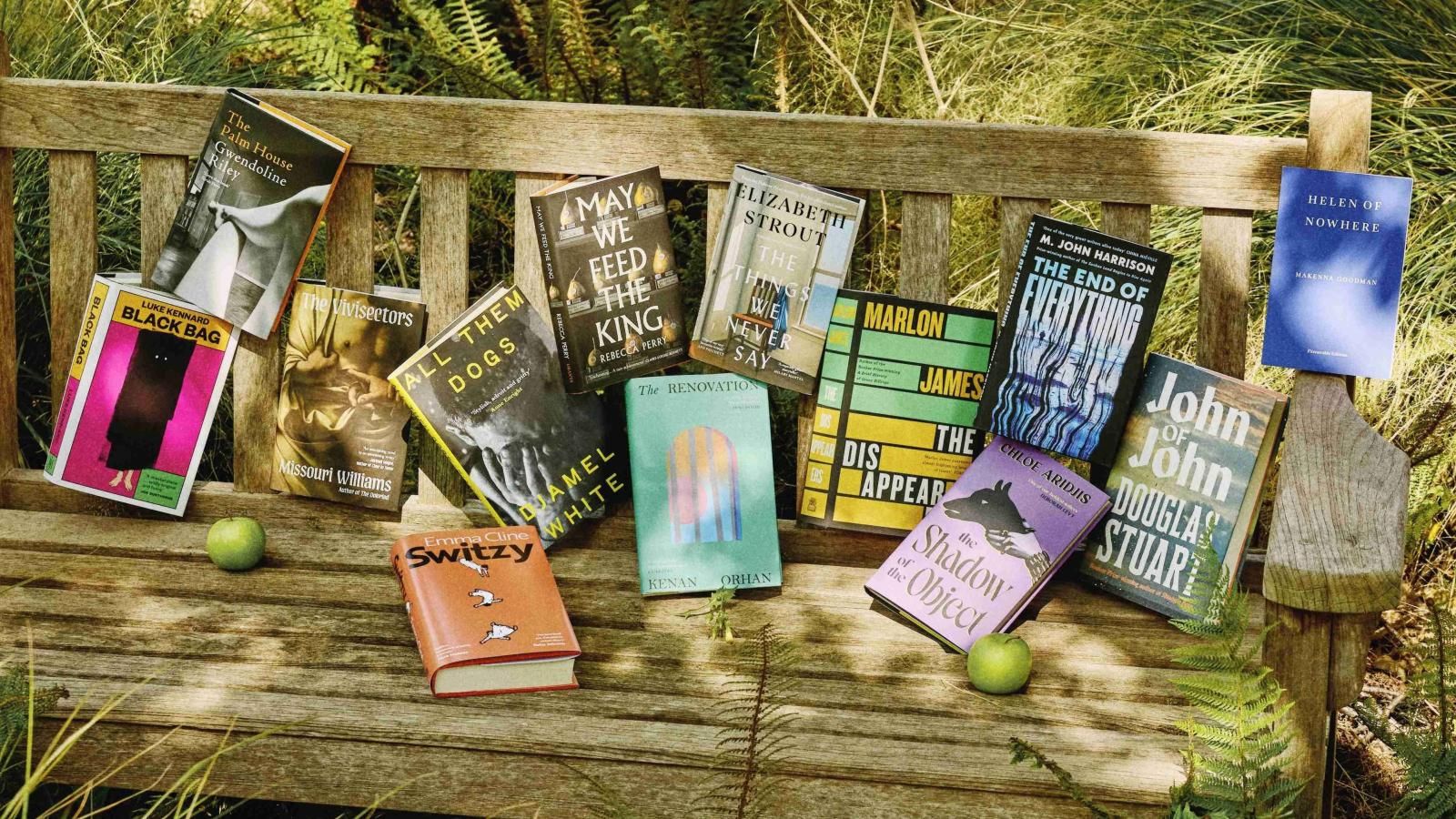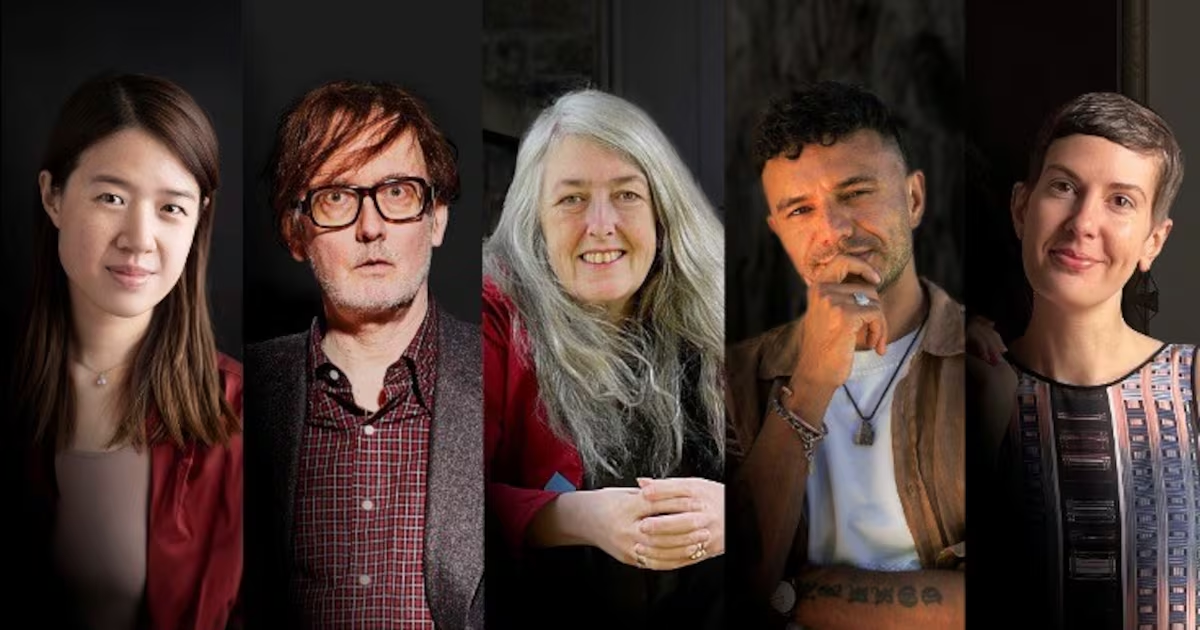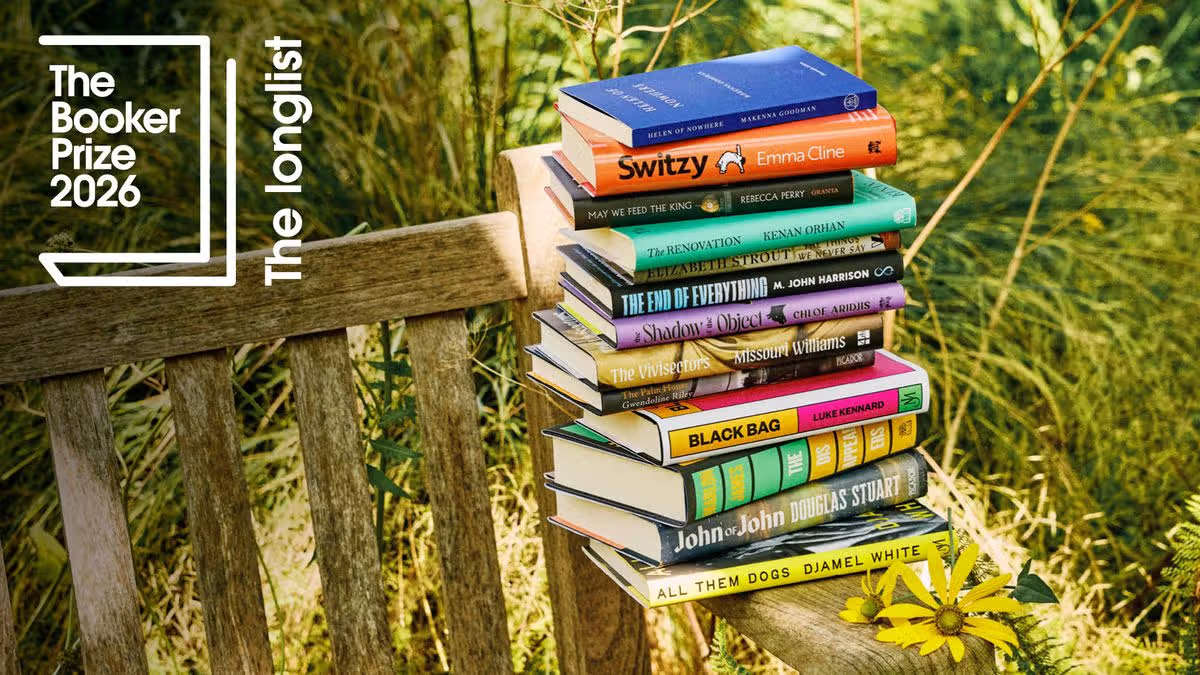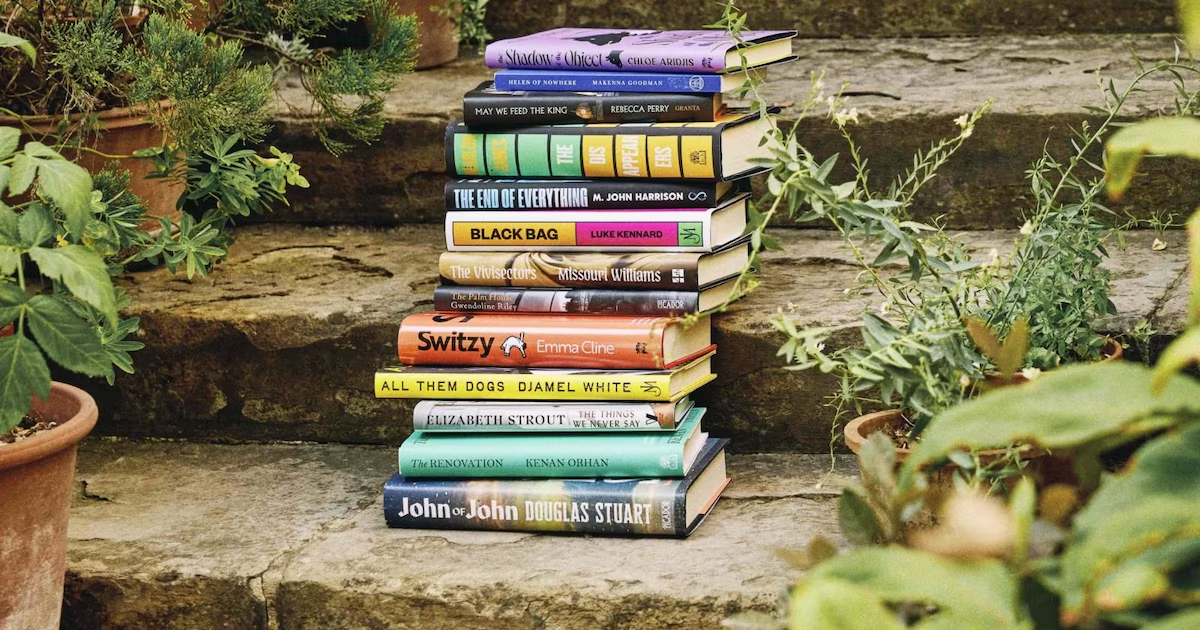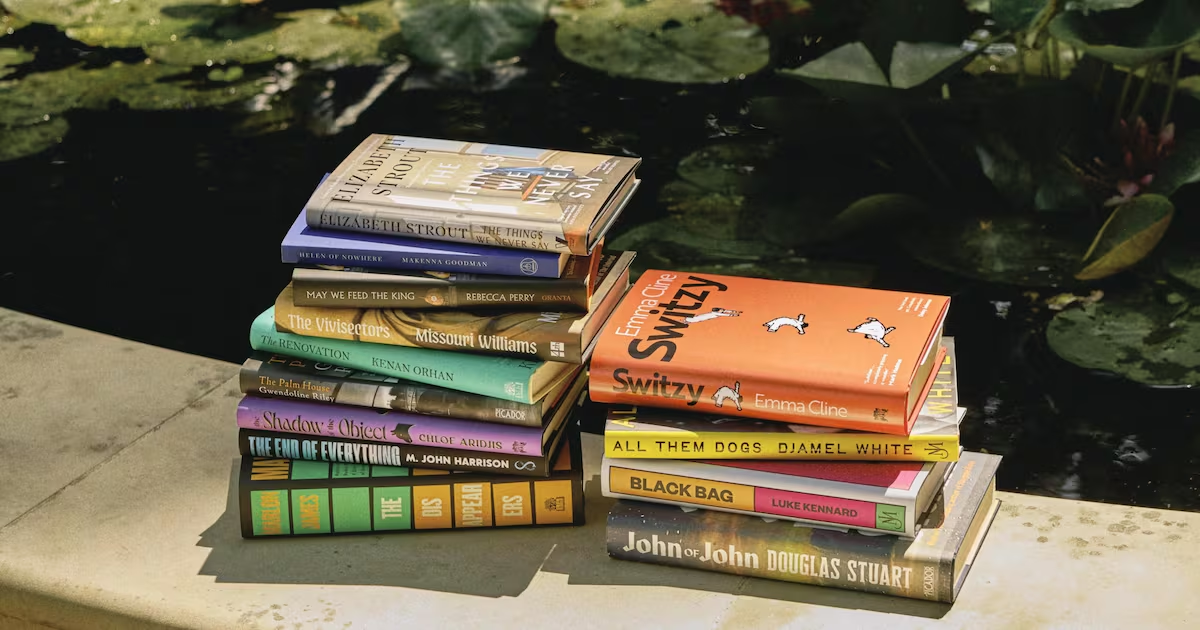
Two former winners join three debut novelists on this year’s Booker Prize longlist, a wonderfully unpredictable mix of books, from dystopian science fiction to medieval royal intrigue.The Booker Prize Foundation announced the 13-book longlist on Tuesday, after the five judges selected the novels from 163 submissions. Classicist, writer and broadcaster Mary Beard chaired the panel alongside poet Raymond Antrobus, musician and writer Jarvis Cocker, critic Rebecca Liu and novelist Patricia Lockwood.Marlon James won in 2015 with A Brief History of Seven Killings, while Douglas Stuart took the 2020 prize for Shuggie Bain. Elizabeth Strout was the only other previously nominated writer. The judges shortlisted Oh William! in 2022 and longlisted My Name Is Lucy Barton in 2016.But the usual suspects were in the minority. Ten writers made the longlist for the first time, including debut novelists Kenan Orhan with The Renovation, Rebecca Perry with May We Feed the King and Djamel White with All Them Dogs.“Great books have never been written to a single formula. We are confident that our longlist of books has something for everyone,” Beard said.The novels ranged widely, from a Mexico City hospital and a Swiss assisted-suicide clinic to gangland Dublin, late-1980s Jamaica and a post-apocalyptic Kent coast. Some focused on domestic life, while others turned to the surreal and speculative, with some bizarre results.The longlist includes writers from England, Scotland, Ireland, Jamaica, the US, Mexico and Türkiye. It could also produce two Booker firsts. Aridjis would be the first winner with Mexican roots, while Orhan would be the first with Turkish rootsAt more than 600 pages, Marlon James’s The Disappearers is the longest novel on the list. Set in late-1980s Kingston, it centres on eight male actors rehearsing Jamaica’s first openly gay play. After a brutal homophobic attack, one survivor tries to find out what happened to the others.In Douglas Stuart’s John of John, art student Cal returns to the Isle of Harris, where he confronts his domineering father and long-buried family secrets. Elizabeth Strout’s The Things We Never Say centres on high-school history teacher Artie Dam, whose comfortable life masks his deep loneliness.Some of the less conventional books gave the judges a lot to talk about. Inspired by a true story, Luke Kennard’s absurdist Black Bag zips a struggling actor inside a large black bag and sends him to university lectures as part of a psychological experiment. Kennard used the bizarre set-up to satirise campus life and examine contemporary masculinity.Missouri Williams takes the campus novel into even stranger territory in The Vivisectors. Human axolotls pose as professors and students while rampant vegetation swallows the city.Emma Cline’s Switzy begins on more familiar ground but proves no less unsettling. A private plane carries David, a retired American executive with dementia, to a Swiss clinic where he plans to end his life. Stripped of the identity he has built over a lifetime, Cline asks what remains of the man he once was.Six books ran to fewer than 250 pages. At just over 140, Makenna Goodman’s Helen of Nowhere is the shortest and tells the story of a disgraced academic starting again in the countryside after his marriage and career fall apart. The Shadow of the Object, set between Mexico City and London, explored friendship and grief.Gwendoline Riley’s The Palm House examined power and loneliness among London’s literary set, while All Them Dogs brought a love story into the violent world of West Dublin crime.The shortlist will be announced on September 22 and the winner on November 9Three books immediately caught my eye. First up is M John Harrison’s The End of Everything. Harrison, 81, could become the Booker’s oldest winner. He takes the familiar alien-invasion story somewhere far stranger, setting it on the Kent coast, where scavengers pick through the ruins beneath a glitching sky as something formless rises from the sea. The judges called it “a book not just about everything but about now”.My second pick is The Renovation. It begins when Dilara, a Turkish exile living in an Italian village, hires builders to renovate her bathroom. Instead, they build a secure cell connected to a working prison in Istanbul. Orhan turns this darkly comic idea into a sharp exploration of activism, exile, belonging, dementia and imprisonment. As the judges put it, “It’s humour with a decidedly unsettling side.” Orhan developed the novel from a short story published in The Atlantic in 2023.And then there’s Rebecca Perry’s May We Feed the King. The novel takes place in an unnamed mediaeval court, where a reluctant king struggles with his role, and a modern museum, where a curator recreates historical banquets with carefully arranged fake pies, fruit and bread. The judges describe it as “a wonderfully enticing and eye-opening combination of themes, woven together with an extraordinary delicacy of touch”. Perry has already won the Waterstones Debut Fiction Prize earlier in July. Here’s a fun bit of Booker trivia. Before turning to fiction, Perry competed nationally and internationally as a trampolinist.In The Shadow of the Object, Chloe Aridjis sends jewellery polisher Flora from a Mexico City hospital into an unlikely friendship with an elderly collector of pre-cinema toys. The Palm House centres on two long-time friends dealing with grief and personal crises. In All Them Dogs, Tony Ward returns to West Dublin’s criminal underworld.The longlist includes writers from England, Scotland, Ireland, Jamaica, the US, Mexico and Türkiye. It could also produce two Booker firsts. Aridjis would be the first winner with Mexican roots, while Orhan would be the first with Turkish roots.The shortlist will be announced on September 22 and the winner on November 9.Business Day
Big names and bold new voices make the Booker longlist
The novels range widely, from dystopian science fiction to medieval royal intrigue
928 words~4 min read