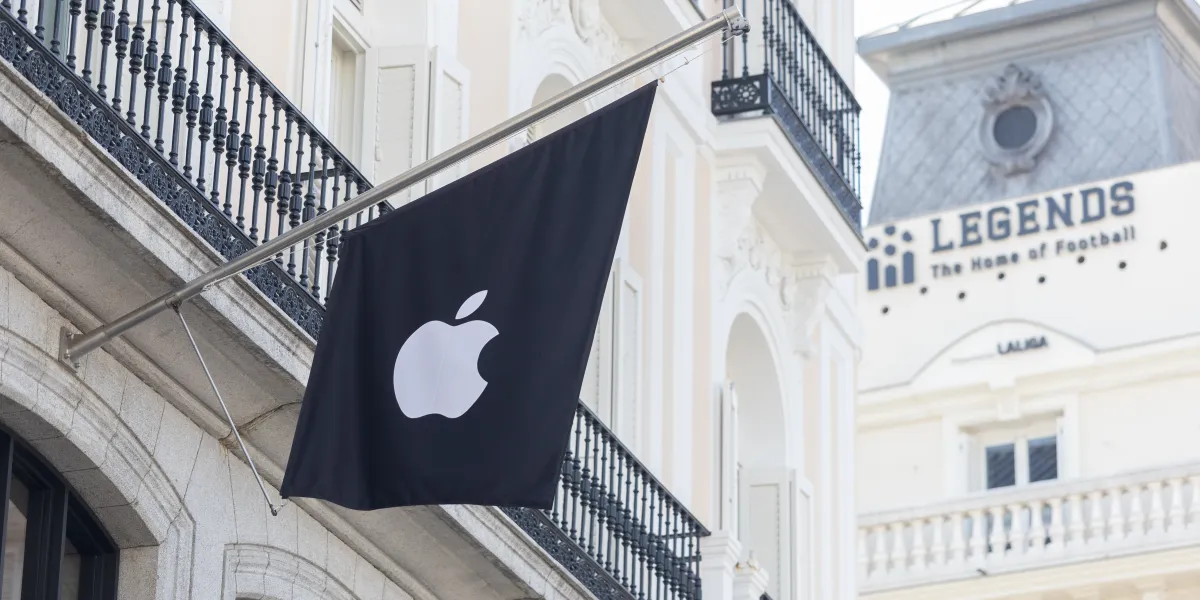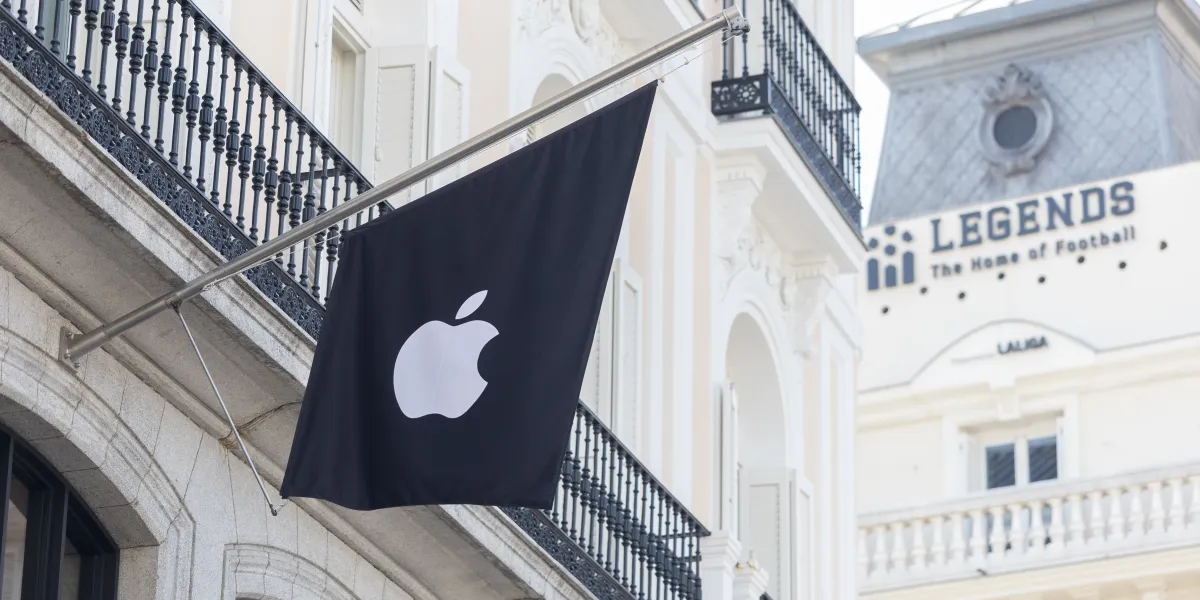
Around midday on July 28, Apple stock jumped around 3% to achieve, for the first time, a market cap of $5 trillion, hitting a number that only one enterprise, Nvidia, had ever reached. A few days before, in fact, Apple had surged past the GPU giant to regain its mantle as the world’s most valuable company (Nvidia has recently retreated to $4.79 trillion). It looks as if Apple got its most recent boost from a Bloomberg report that the iPhone maker is planning a big push into the smart-home sector by launching a new Siri-powered home hub and updated Apple TV, alongside a fresh HomePod mini, all of which could potentially hit the market by this fall. Plus, Apple used to get brickbats from Wall Street for its super-cautious approach in AI investment. Now that it appears the hyperscalers may be overbuilding data centers en route to a glut, the analysts and money managers are applauding Apple’s restraint.
Still, the recent moonshot in Apple’s stock poses a tough choice for folks and funds mulling a purchase right now, or tempted to sell and profit from the recent windfall on fears it will fade: Apple has just become something it seldom was before, extremely, even scarily, expensive.
The recent liftoff makes Apple by far the priciest member of the Magnificent Seven, of course excluding Tesla. Its price/earnings ratio reached 41.2 on the $5 trillion day, between 37% and 145% above the figures for Nvidia (30.2), Amazon (27.7), Meta (21.6), and Alphabet (16.8). Historically, Apple has handed shareholders significantly more cents for every dollar in earnings than it provides today. From 2013 to 2020, its P/E never exceeded 20, and averaged around 16. Even post-COVID, its multiple fluctuated around a median of 28, and as recently as the close of Q1 2024, sat at 26.4.