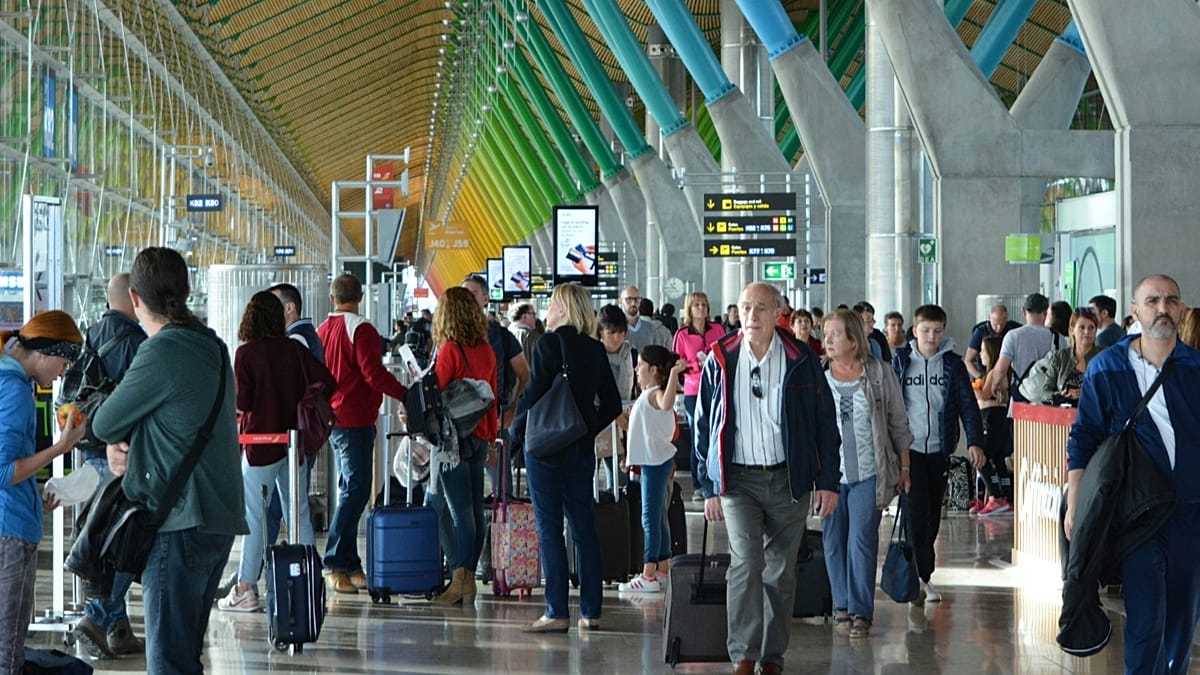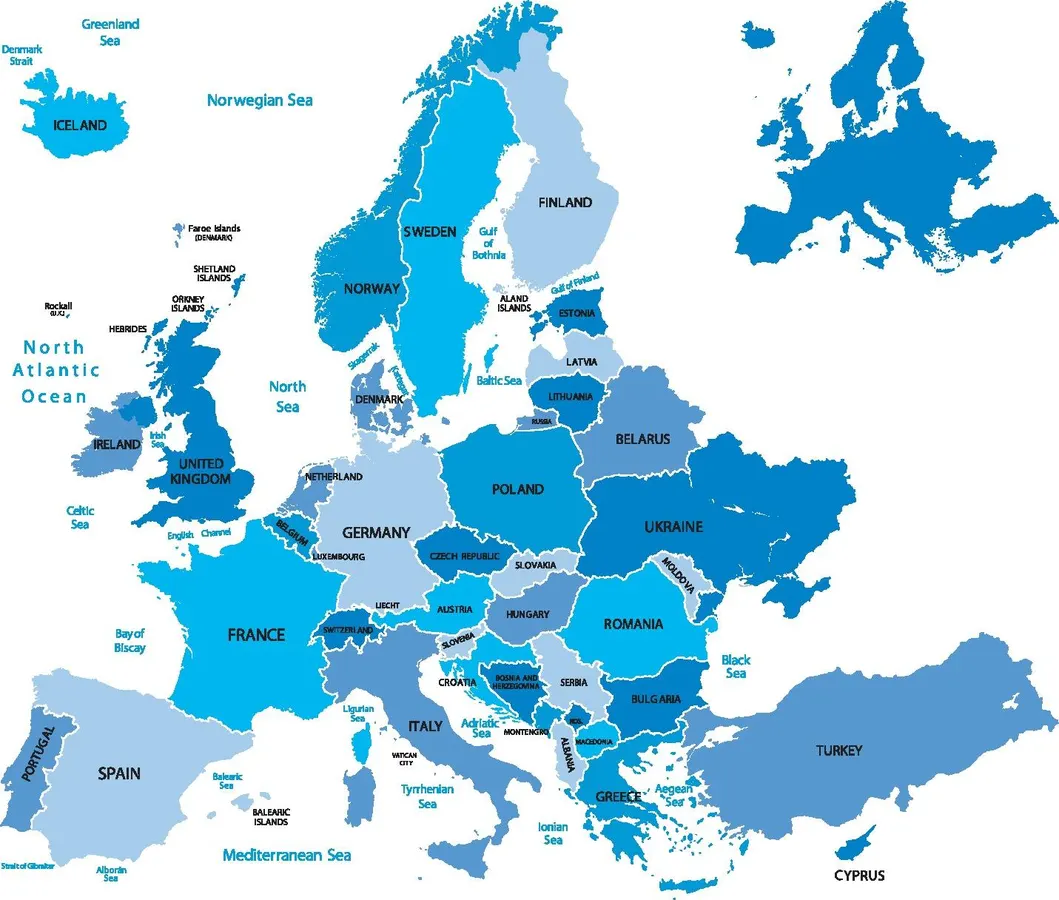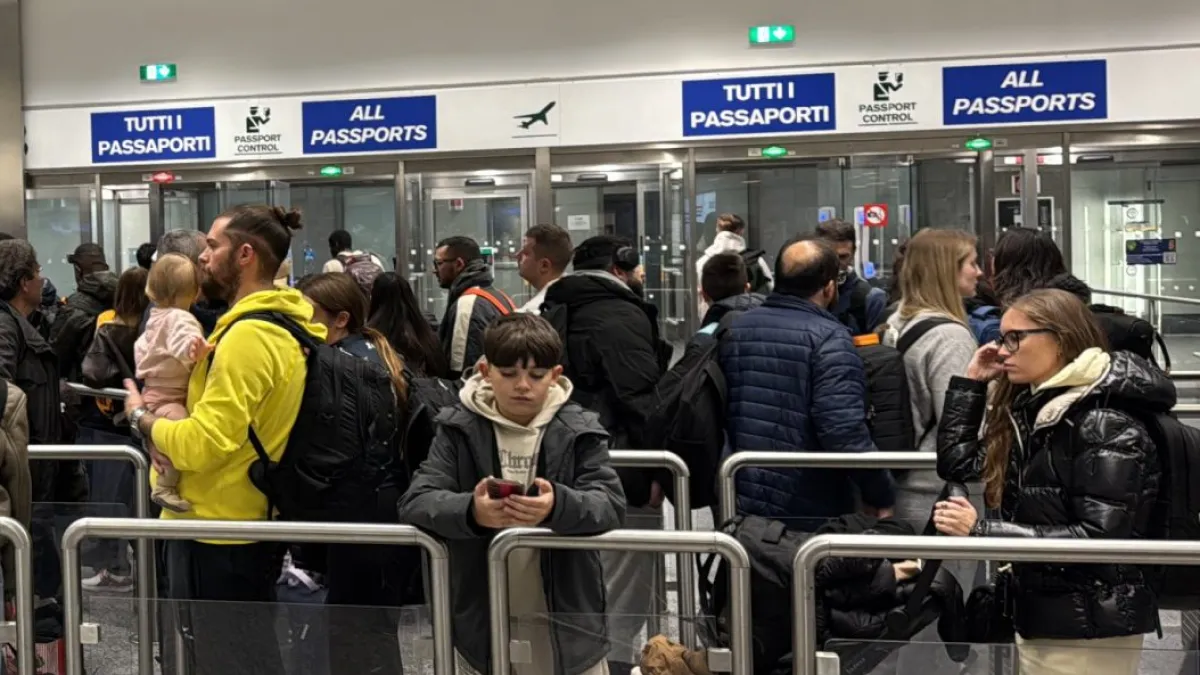
The new ETIAS document program you'll need to enter Europe is delayed until 2027, but the Entry/Exit System is operational.gettyIf you’ve stood in a queue at a European airport this summer, you’ve already met the EU’s new Entry/Exit System (EES). ETIAS is the other half, the new travel authorization for visa‑exempt visitors that will run alongside the EES. ETIAS is delayed now until 2027. Here’s an explainer.ETIAS—European Travel Information and Authorisation System Is DelayedThe Financial Times reported in July that ETIAS, the European Travel Information and Authorization System, is unlikely to launch this year, as previously planned.While official guidance lists a late-2026 start for ETIAS, industry insiders believe that April 2027 will be the earliest realistic launch date for this new travel document.ETIAS is the EU’s answer to systems like the U.S. ESTA and the U.K.’s ETA: an online pre‑travel authorization for visa‑exempt nationals, costing around €7 for most adults and valid for three years or until passport expiry. It will allow stays of up to 90 days within any 180-day period across all participating EU countries.It was originally planned to launch in 2025, then in late 2026, but due to cross-border delays in the rollout of the EES, the bloc is understood to need more time to prepare.The agency in charge of implementing ETIAS, EU-Lisa, told the Financial Times that, because of “technical glitches” and the “slow deployment” of EES, it probably wouldn’t be feasible to launch at the end of the year as planned.Travelers from over 60 non-EU countries will need to comply, including the U.S., Canada, Australia and the U.K and it will apply to anyone traveling to most of the 27 EU countries, except Ireland, plus four additional countries that allow free movement of people across the Schengen area—Iceland, Norway, Liechtenstein and Switzerland.Once it is rolled out, there will likely be a transitional phase of around six months during which people can start applying for ETIAS but will not be denied entry if they don’t have one, as per Euronews.EES-Europe’s New Entry/Exit System Is OperationalThe Entry/Exit System went live in phases from October 2025 and was declared fully operational across the Schengen area on 10 April 2026, replacing passport stamps for most non‑EU nationals with automated biometric registration at external borders.In theory, it should speed up repeat visits and help track overstayers, a common problem before its inception. Since its launch, airports and airlines have warned of queues of up to three hours at peak times, with some reporting delays approaching five hours at busy southern European hubs and other ‘difficult spots’.In early July, The Guardian reported that despite pleas from the International Air Transport Association (IATA) to delay the rollout of the EES, the EU said it would proceed as planned. This is because there would be a risk of travelers becoming stranded at border crossings if some countries adopted the new system and others did not.Afar reports that some U.S. travelers to Europe have zipped through the lines, while in other places, it has taken time.There are 1,500 border crossing points across the EU, and only 20 are considered difficult, possibly because they are small airports with a few biometrics booths and because they are inundated with passengers only at one or two times a day over one or two months in the summer.The French Ministry of the Interior told The Independent that the new EES border control process has already shown that it is working: it has recorded 110 million journeys in and out of the Schengen area, and about 44,500 people were refused entry, possibly because they were using illegal travel documents or had previously overstayed their welcome.In the past, travelers with second passports could enter on one and leave on the other without being caught. Now, the fingerprinting and facial recognition will no longer allow this.The EES does have one technical issue to iron out, however; as Politico reports, it cannot yet handle identical twins.MORE FROM FORBESForbesThe 10 Safest Countries In The World, Per 2026 Global Peace IndexBy Alex LedsomForbesWhy Literary Travel Is Surging In 2026By Alex LedsomForbesHow Useful Is Your Passport In 2026 For The Best Global Mobility?By Alex Ledsom
Traveling To Europe? ETIAS Is Delayed As EES Queues Bite
The new Entry Exit System is live across all 1,500 EU borders but the ETIAS, the new document you'll most likely need to enter is delayed. Here's what to know.
690 words~3 min read