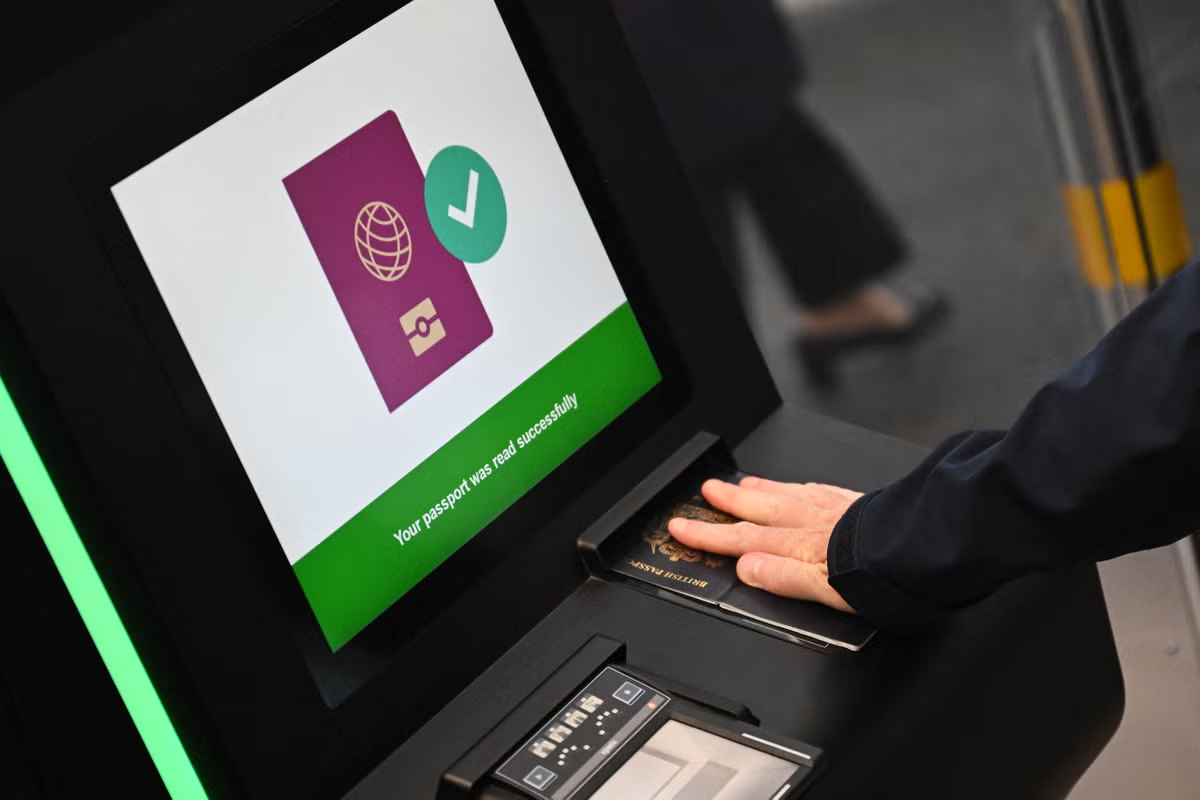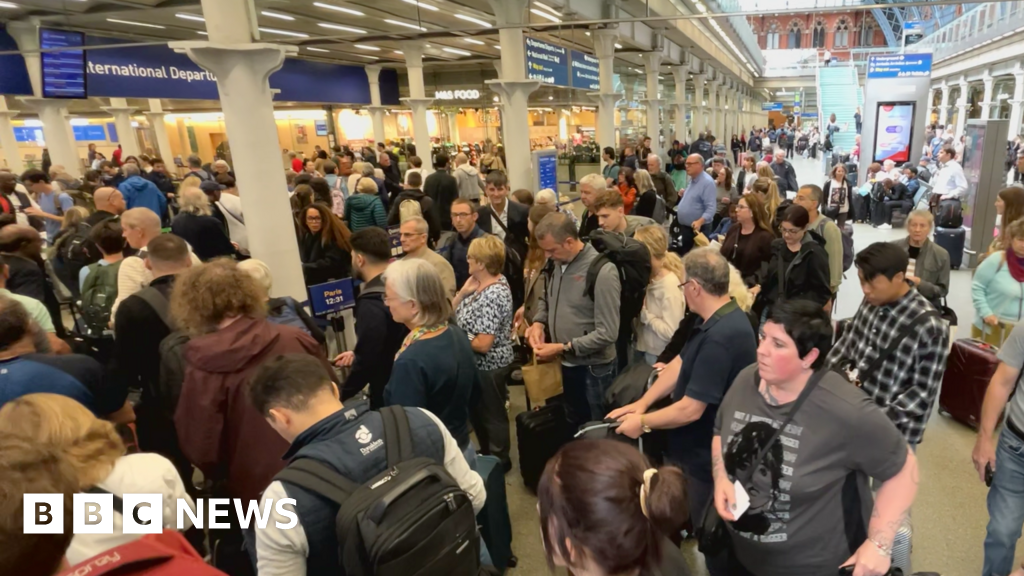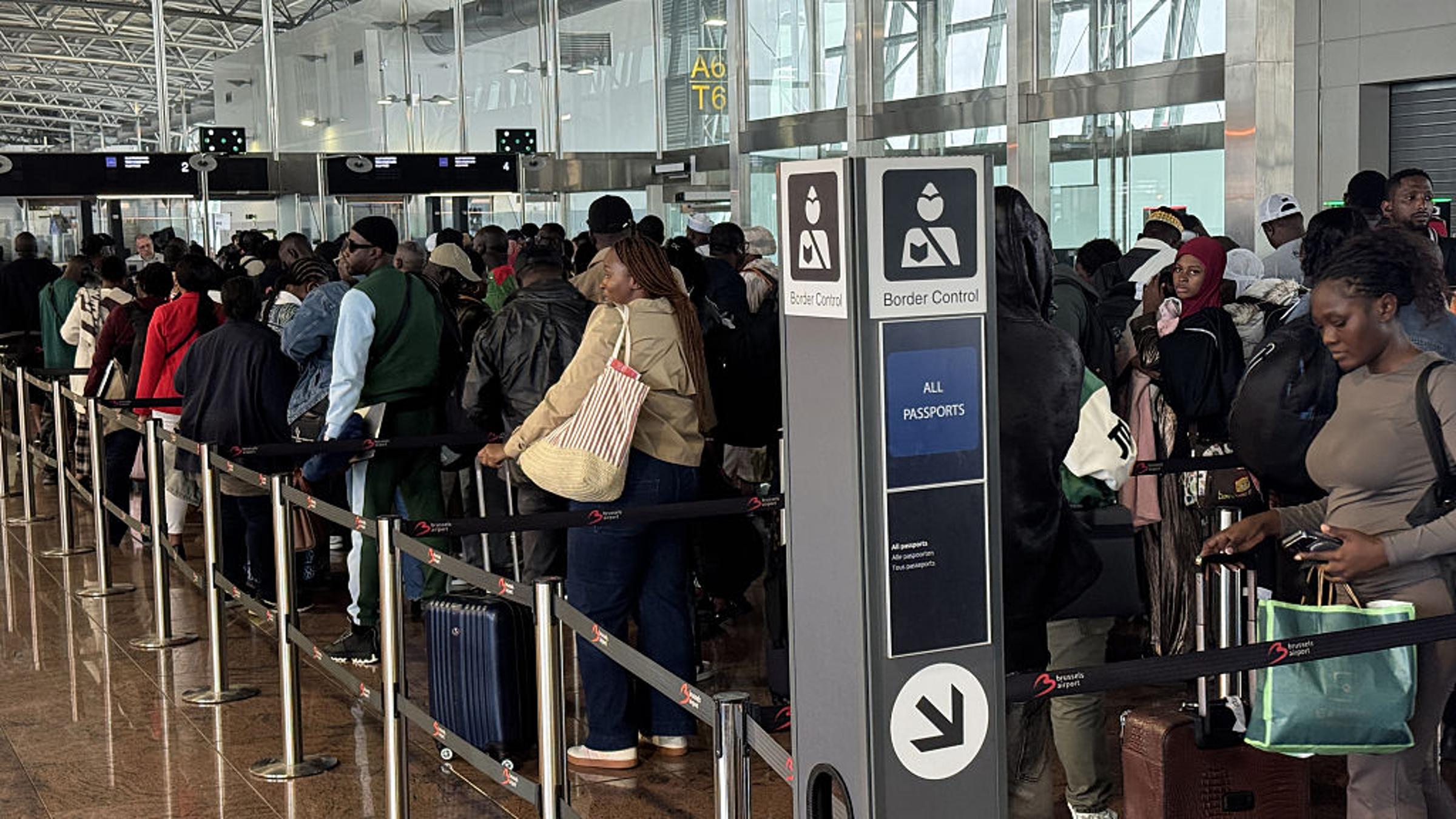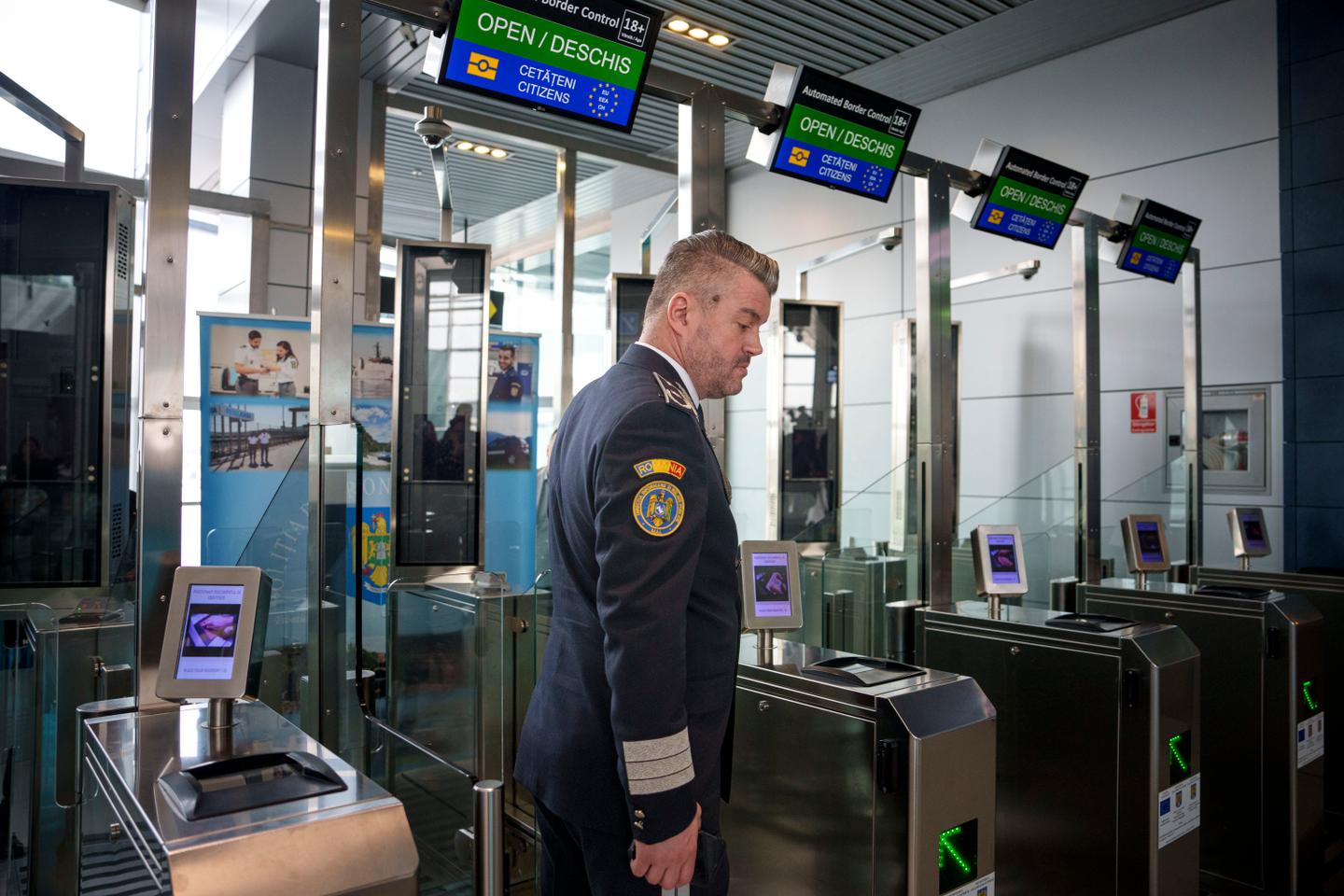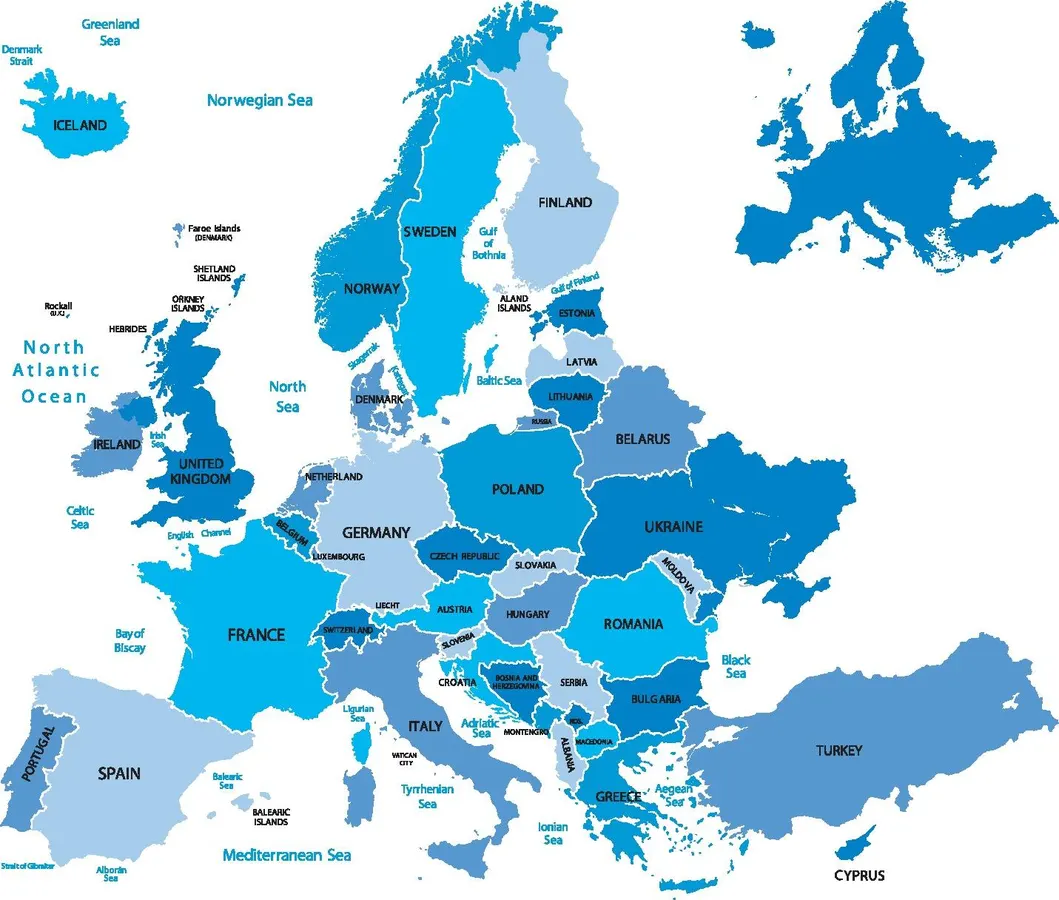
The new border control Entry/Exit system is fully operational on Friday, 10 April 2026, across the EU and Schengen area.gettyIt has been a long time coming, but the modernized EU border check, the Entry/Exit System, will be fully operational on Friday, April 10, 2026.It feels like I've been writing about the EES and its sister, ETIAS, for a very long time, because they were originally due to be implemented in 2020 and have been progressively delayed for various reasons. Here’s a reminder of what it all means if you’re planning to visit Europe soon.What Is The EES, Which Goes Fully Operational On April 10, 2026?The Entry/Exit System requires travelers to use their biometric data to pass through the frontier into a Schengen-area country. That includes 25 of the 27 EU member states, plus 4 other countries—Iceland, Liechtenstein, Norway and Switzerland. An area of 450 million people is now encompassed by the European Entry/Exit System.That number of people might explain why it has taken so long to get the system up and running. Fingerprints and faces are scanned as travelers pass through electronic gates, replacing passport stamps.EU and Schengen-area members are exempt, as are their family members and holders of ID cards. So are plane and army personnel, and nationals of Andorra, San Marino, Monaco and the Vatican City will also be exempt. Cyprus and Ireland are not part of the new EES, so passports will still be stamped at these borders.The EES was originally scheduled for a 2020 implementation but was delayed to 2023 due to technical issues. Then, France suggested it could be delayed due to the large number of people expected to enter Europe for the 2024 Summer Olympic Games—any glitch would have seriously impeded travelers' ability to come and go.Since its progressive rollout in some parts of the EU in October 2025, 45 million border crossings—travelers entering or leaving a European country using the system—have been recorded. There are likely to be some disruptions and delays during its rollout due to the Easter travel season. TimeOut reports that this delay is because, since March 31, every third-country passenger must register, whereas before officials were allowed to suspend processing if the lines grew too long. For that reason, it may be worth leaving a little extra time if you’re entering Europe over the next week. Alternatively, travelers can pre-register their biometric data (passport data and facial image) 72 hours before they travel to save time at borders. The Travel To Europe app is for non-EU travelers who are subject to EES registration, and while it doesn’t replace border checks, it will speed them up. You can fill in the entry conditions questionnaire in advance, too. What Is The ETIAS, Which Will Likely Become Operational At The End Of 2026?ETIAS is the European Travel Information and Authorization System, and it works in the same way as the ESTA scheme in the U.S. and the ETA scheme in the U.K.It obliges people who are traveling on passports that don’t require a visa to register before entering the EU for a small fee. The right to enter lasts 3 years before travelers must reapply.Both the ETIAS scheme and the EES were scheduled to be introduced together, but rolling them out one at a time made logistical sense to reduce friction for travelers.Both systems, when combined, will allow much more rigorous control of passports, visas and people, enabling, for instance, the identification of those who used to stay longer than the allowed 90 days of holiday within a 180-day period in the EU.The then-EU Home Affairs commissioner Ylva Johansson said in 2024 that “the Entry/Exit System will make it harder for criminals, terrorists or spies to use fake passports thanks to biometric identification, photos and fingerprints."Since October, 24,000 people have been refused entry to Europe, according to the EU Department of Migration and Home Affairs, and 600 have been identified as posing a security threat. This means that if they attempt to enter another European country, border authorities will be able to spot them easily.MORE FROM FORBESForbesPortugal Golden Visa—Government Votes To Extend Citizenship TimelineBy Alex LedsomForbesEuropeans Urged To Travel Less As Fear Of Energy Shortage IncreasesBy Alex LedsomForbesPlanning A World Cup Trip? Here Are The Hosts, Safety Questions And CostsBy Alex Ledsom
Europe’s New Border Control, EES, Is Now Operational—What To Know
The new EU border control, EES, is now operational. Here's what you need to know if you're traveling to Europe soon.
710 words~3 min read