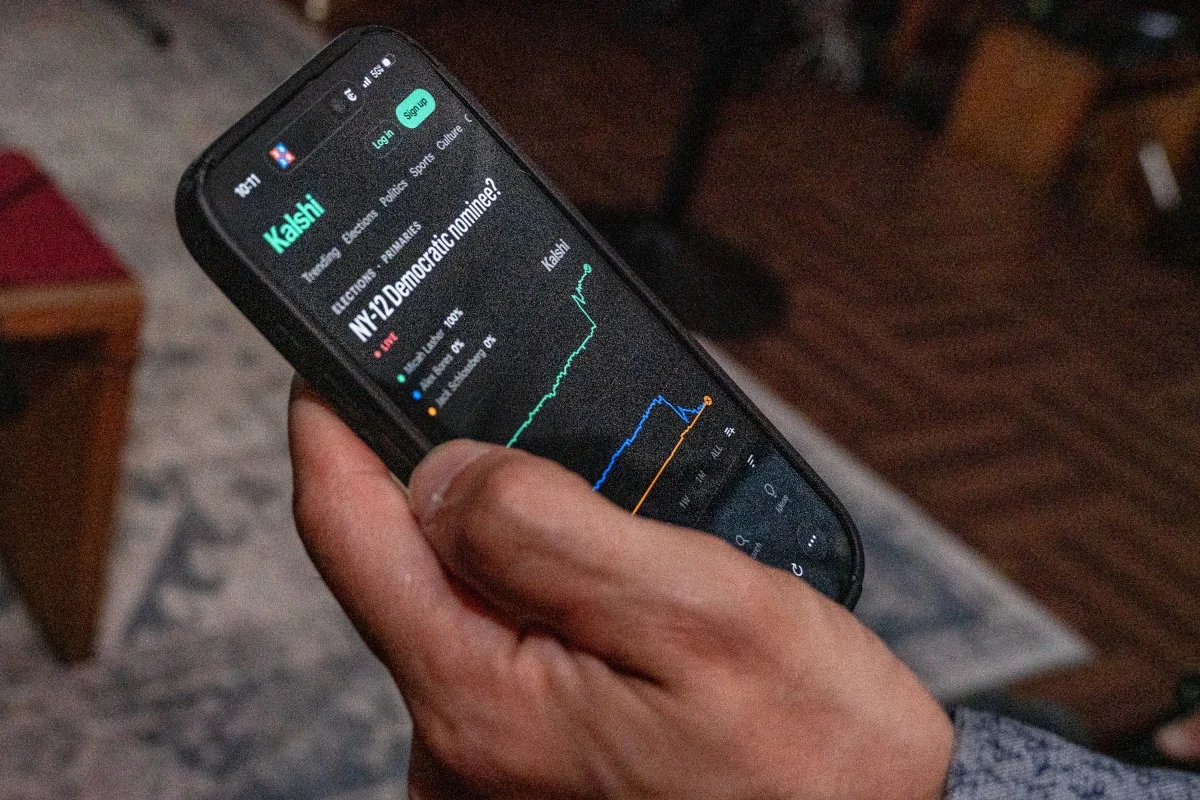
Prediction markets operator Kalshi recently announced that it will permit customers to bet on whether late-stage clinical trials will reach their primary endpoints. While Kalshi has stated this will be a limited roll-out, with strict guardrails to prevent insider trading and limitations to focus on large trials that presumably will attract liquidity, concerns about prediction markets in healthcare more broadly will likely be ignited by this announcement.
However, as patients and physicians continue to navigate complex decisions with incomplete information, reflexive objections to platforms like Kalshi entering the healthcare space risk obscuring potential benefits of such innovations.
Medical systems are fragmented, with disparities in access to information flows across the patient care continuum and supply chains alike. Further, few formal systems exist for aggregating intelligence. This is the status quo of medicine. Yet, patients may benefit from systems that quickly aggregate knowledge.
To take a clinical example, imagine a patient with advanced malignancy who is deciding between continued aggressive medical therapy or palliative care. Let's say a new immunotherapy has not yet completed its phase III trial. Understanding the odds of success -- whether it will meet its primary endpoint -- of this novel agent is a paramount issue: it could determine the course of this patient's entire remaining life and may guide their decision on whether to pursue compassionate use access to the agent. Yet, we currently have no quantitative method of assessing this probability; the decision will center around the patient's state of mind and the oncologist's expertise and conversations with their colleagues -- and not insignificantly, subjective assessment of social media discourse. An imprecise system in a matter of life and death.