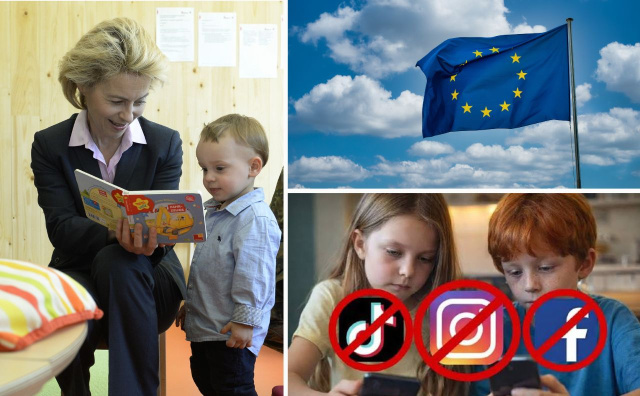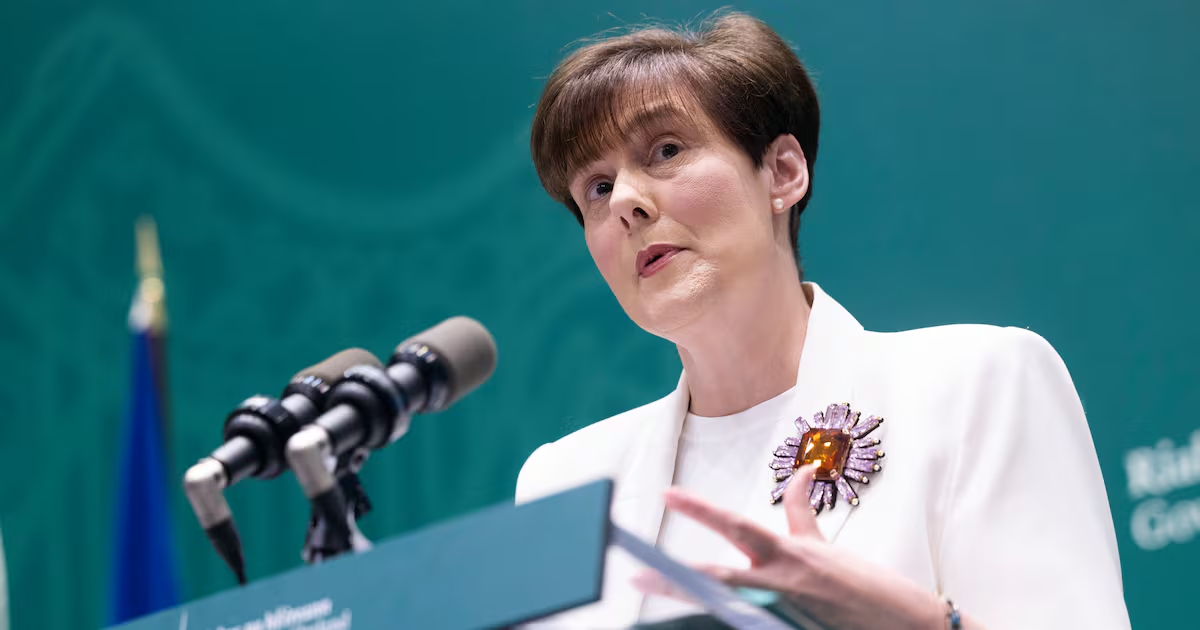
Ireland could press ahead with a social media age limit of 16, even if the European Commission decides to allow all children over the age of 13 to use apps. Minister for Children Norma Foley said she would prefer for a unanimous decision on age verification to be reached across the bloc by the end of this year. The Government is hoping to make progress on a European Union decision regarding age limits for social media before the end of its term as president of the Council of the European Union in December. A recent report from the European Commission said it was considering a minimum age restriction of 13 years old. The digital age of consent in Ireland is 16, and it is understood that Irish ministers would favour the higher age limit. Foley told journalists she believed the European Commission would recommend an age limit in September or October. “I’m not averse at all to the restriction for the under-16s, but I think it’s important that we would hear all of the views, and I do think it’s important that young people themselves are central to that,” she said. The Minister said the Government would be consulting more than 3,000 young people on their views through Comhairle na nÓg forums later this year. Asked if Ireland could choose to press ahead with an age limit for 16 year olds, even if the European Commission favoured an age limit of 13, Foley said: “Yeah, absolutely. We will see what the recommendation is in September/October time from the commissioner.”[ Hell is empty and all the devils are in my social media feedOpens in new window ]“Really, what we want at the end of the day during these six months is to bring a cohesion to it. If there could be an agreement across Europe in terms of the solution, I think it would be better. It would be easier to enforce, but let’s see what recommendation they come with.” Foley was speaking at a high-level conference on children’s voices, which is being held at Dublin Castle on Thursday and Friday, as part of Ireland’s presidency of the Council of the European Union. According to preliminary results of a survey being carried out at the conference, over 82 per cent of young people in attendance were very concerned about the type of content that is available online. The same event heard from European Justice Commissioner Michael McGrath, who told the 250 delegates that he believed that the European Commission needed to go further than the Digital Safety Act to protect children online. “Much of the debate has been about the age at which children can access social media, but we think it should be looked at the other way around. What is the age that social media should be allowed to access Europe’s children?” McGrath said. An age limit for social media in Ireland was first floated by senior Government figures last December, but there has been little to no progress on the measure since. Ministers had suggested that a digital wallet could be used to verify the age of social media users. Meanwhile, Foley also said she will still be lobbying for more measures to cut the cost of childcare in this year’s budget even amid warnings from the Department of Public Expenditure that there will be little room for new measures. A number of childcare providers have recently told parents they are planning to leave the Government’s core funding scheme over the sustainability of the funding they receive, which will result in dramatic fee increases for parents. Foley said more childcare providers have joined core funding than left it this year. “There’s a lot of talk around providers and their decisions to stay or to go, but it’s very important when you look at the figures, five have left this year and, as I said, 15 more have come into the system,” she said.
Ireland could push under-16 social media restriction, despite commissioner favouring lower age limit
Over 82 per cent of young people attending a conference on children’s voices were very concerned about content available online
655 words~3 min read